
The best bass guitars under $1,000 are the Yamaha BB434 for balanced passive tone, Sire Marcus Miller V7 for modern Jazz Bass flexibility, Sterling by Music Man Ray34 for punchy active power, and Ibanez SR600E for a fast, lightweight neck.
At this price, the largest differences are not simply pickup count or the number of control knobs. Neck shape, fret finishing, bridge stability, body balance, onboard electronics, and the cost of a professional setup determine whether a bass feels ready for regular playing or needs immediate work.
As an Amazon Associate we earn from qualifying purchases at no extra cost to you.
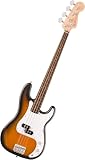


Top 3 picks at a glance
Best bass guitars under $1,000 at a glance
| Model | Typical market range | Pickup and electronics | Best for | Important trade-off |
|---|---|---|---|---|
| Yamaha BB434 | $500–$650 | Passive P/J-style configuration | Rock, pop, recording, general-purpose use | Heavier body than many modern designs |
| Sire Marcus Miller V7 | $500–$800 | Two single-coils with active/passive preamp | Slap, funk, studio versatility | More controls and battery dependence |
| Sterling by Music Man Ray34 | $800–$1,000 | Music Man-style humbucker and active preamp | Rock, metal, aggressive fingerstyle | Less traditional, less rounded passive character |
| Ibanez SR600E | $700–$900 | Dual humbuckers with active electronics | Fast playing, progressive styles, long rehearsals | Thin neck and modern voicing are not for everyone |
| Yamaha TRBX604FM | $600–$800 | Dual humbuckers with active/passive operation | Cover bands and broad tonal coverage | Active sound can be more polished than vintage |
| Fender Player II Precision Bass | $800–$1,000 | Passive split-coil pickup | Classic rock, punk, roots, dependable live tone | Less tonal range without an external preamp |
Yamaha BB434: the safest all-round passive choice
The BB434 uses a split-coil pickup in the neck position and a single-coil pickup near the bridge, giving it a familiar low-mid foundation with extra definition available from the bridge pickup. Its passive circuit is simple, quiet to operate, and easy to understand on stage.
The neck is fuller than the very slim necks found on many modern basses, but it is not excessively large. That shape suits players who anchor their thumb and want a stable platform for fingerstyle or pick playing. The body has noticeable weight, which helps the bass remain planted but may matter during a three-hour set.
Its strongest value is setup potential. A conventional bridge, passive wiring, and standard scale make neck relief, string height, intonation, and pickup height easy for a technician to adjust. If you want one bass for rock, pop, worship, and home recording without learning an elaborate control system, the BB434 is a strong starting point.
Sire Marcus Miller V7: the most flexible Jazz-style option
The V7 is aimed at players who need a wide range of tones from one instrument. Its two single-coil pickups can produce a hollow, bridge-focused sound, a fuller neck sound, or a blended tone with the characteristic clarity associated with Jazz-style basses. The active/passive preamp adds bass, mid, and treble control for shaping the signal before it reaches the amplifier.
That flexibility is particularly useful for funk, slap, gospel, R&B, and cover work. The neck generally feels slimmer and more immediately comfortable to players who prefer a narrower profile than the Yamaha BB series or a Precision Bass.
The extra electronics create two checks before buying. First, confirm that the battery compartment is secure and easy to access. Second, test the bass in passive mode if possible. A battery-powered preamp should be a bonus, not the only way the instrument sounds balanced. Players who prefer a simple, vintage-style control layout may find the V7 unnecessarily busy.
Sterling by Music Man Ray34: the punch and attack specialist
The Ray34 uses a large humbucker near the bridge with active circuitry, producing strong upper-mid attack, tight lows, and a pronounced response when played hard. It is a natural match for rock, metal, pop-punk, and energetic fingerstyle. The sound tends to occupy a mix clearly without requiring excessive treble boost from the amplifier.
Its neck is usually slimmer and more modern than a traditional Precision-style neck. The body balance is generally comfortable when standing, but the instrument’s bridge-position emphasis means it does not behave like a warm, rounded passive P bass. If your band already has bright guitars and cymbals, use the onboard treble control conservatively.
For setup value, inspect fret ends and confirm that the bridge saddles have usable adjustment range. A bridge with insufficient room to move can make accurate intonation difficult, especially after changing string gauges. A professional setup is worthwhile if you plan to move from the factory strings to heavier or lighter gauges.
Ibanez SR600E: the best ergonomic pick for fast players
The SR600E is built around a slim neck, a lightweight body design, and active humbucking electronics. This combination favors technical playing, rapid position changes, progressive metal, fusion, and long rehearsals where shoulder fatigue matters.
The narrow, shallow neck can feel immediately accessible to guitarists moving to bass. It is less ideal for players who prefer a substantial neck that resists grip pressure. The dual humbuckers offer a cleaner, more controlled signal than traditional single-coils, while the active electronics provide useful low-end shaping for extended-range or heavily tuned material.
Check the upper-fret area carefully. Fast neck access is one of this model’s main advantages, but it only pays off if the fretwork is clean and the action is consistent across the fingerboard. Buzzing in one isolated area may be a setup issue; multiple high or uneven frets suggest that a technician should inspect the instrument before purchase.
Yamaha TRBX604FM: broad coverage with a modern finish
The TRBX604FM combines two humbuckers with active/passive operation, making it a practical choice for players covering several genres. In active mode, the preamp can add clarity, low-end weight, or presence. In passive mode, it remains usable if the battery runs flat during rehearsal.
The neck sits between vintage and ultra-thin modern desig
Frequently asked questions
What should I check before buying a bass in this price range?
Check the neck shape, fret finishing, bridge stability, body balance, onboard electronics, and likely setup needs before buying. Also inspect whether the bridge saddles have enough adjustment range, especially if you may change string gauges. For active instruments, confirm that the battery compartment is secure and easy to access, and test passive mode when possible.
Is an active bass still usable if the battery runs flat?
An active/passive bass can remain usable when its battery runs flat if its passive mode is properly functional. The Sire V7 and Yamaha TRBX604FM both offer active/passive operation, while the article recommends treating the preamp as a bonus rather than the only source of a balanced sound. Battery access and security are also worth checking.
Which bass is easiest to understand for a first-time buyer?
The Yamaha BB434 is the easiest model in this article to understand because its passive circuit is simple and its controls are straightforward. Its conventional bridge and passive wiring also make neck relief, string height, intonation, and pickup height accessible for technician adjustment. That makes it a practical starting point for general-purpose playing and recording.
How important is a professional setup after buying one of these basses?
A professional setup can be worthwhile because it addresses neck relief, string height, intonation, pickup height, and action consistency. It is especially relevant when changing string gauges or when buzzing, uneven frets, or limited bridge adjustment appear. The article treats setup potential as a major part of value, not merely an optional finishing touch.
Which bass is most suitable for long rehearsals?
The Ibanez SR600E is the strongest choice for long rehearsals because its lightweight body and slim neck are intended to reduce shoulder fatigue. Its narrow, shallow neck also supports rapid position changes. However, players who prefer a substantial neck may find it less comfortable, and the upper-fret area should be checked for clean fretwork and consistent action.


