
The best hunting backpacks with frame are the Mystery Ranch Metcalf, Stone Glacier Sky 5900, Kifaru Duplex Lite, and Exo Mountain Gear K4 5000, but the right choice depends more on your expected pack-out weight, torso fit, and organization preferences than on capacity alone.
As an Amazon Associate we earn from qualifying purchases at no extra cost to you.

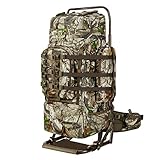

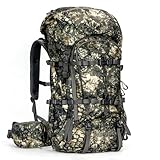
Top 3 picks at a glance
Best Hunting Backpacks With Frame at a Glance
| Pack | Frame material and design | Approximate capacity | Useful load range | Best suited to |
|---|---|---|---|---|
| Mystery Ranch Metcalf | Lightweight composite frame with substantial suspension | About 70 L | 30–80 lb | Multi-day hunts and versatile meat hauling |
| Stone Glacier Sky 5900 | Aluminum stays with a load-shelf frame system | About 5,900 cubic inches | 30–100 lb, depending on configuration | Large backcountry loads and repeated pack-outs |
| Kifaru Duplex Lite | Aluminum frame with modular bag and strong load lifters | Varies by attached bag | 40–100 lb or more when properly fitted | Hunters prioritizing maximum load support |
| Exo Mountain Gear K4 5000 | Carbon-fiber frame with modular pack system | About 5,000 cubic inches | 30–80 lb | Balanced weight, organization, and meat-hauling ability |
Load figures are practical categories rather than universal limits. A frame that carries 80 pounds comfortably for a tall, correctly fitted hunter may feel unstable at 60 pounds on someone with the wrong torso length or belt size.
How to Choose the Right Frame
Aluminum frames: adjustable and load-focused
Aluminum stays remain popular because they can be shaped or selected to match the user’s back profile. They generally provide predictable stiffness under heavy loads and are easier to repair in the field than composite structures. The tradeoff is weight: a fully supportive aluminum frame can weigh more than a minimalist carbon frame.
Choose an aluminum frame if your normal use includes boned-out quarters, camp equipment, or repeated loads above roughly 70 pounds. It is also a sensible choice when adjustability matters more than the last few ounces.
Carbon-fiber and composite frames: light and efficient
Carbon-fiber frames can reduce pack weight while remaining stiff enough for many hunting loads. Their low weight is most noticeable on long approaches and during the empty walk back from a drop camp. Composite frames can also flex in a controlled way, which may feel more natural while climbing.
The limitation is that carbon and composite parts are less convenient to modify if the shape is wrong. Before buying, verify the available torso lengths and the manufacturer’s replacement-part policy. These frames are especially attractive for hunters whose loaded pack usually stays between 30 and 70 pounds.
Frame shape matters as much as material
A frame should transfer weight into the hip belt without pressing painfully into the spine or shoulder blades. A frame that extends slightly above the shoulders can provide useful load-lifter leverage, but excessive height may catch on branches or interfere with a rifle stock.
For heavy meat loads, look for a rigid connection between the frame, belt, and shoulder harness. A soft, highly flexible pack can feel comfortable when empty but allow the load to sag away from your back when full.
Capacity: Match the Bag to the Hunt
- 2,500–3,500 cubic inches: Day hunts, lightweight bivy trips, or hunts with reliable access to a base camp.
- 4,000–5,500 cubic inches: The most versatile range for several days of food, clothing, optics, and emergency gear.
- 5,500–7,000 cubic inches: Extended wilderness hunts, winter clothing, bulky sleeping systems, and large meat-hauling requirements.
A bigger bag is not automatically better. Oversized compartments encourage loose packing, which allows equipment to shift and increases the apparent weight. A modular pack with a smaller day-hunting bag and an expandable load shelf can be more practical than one huge compartment.
Compartment Layout: Organization Versus Compression
For hunting, the most useful layout usually combines one large main compartment, a separate sleeping-bag or lower compartment, external water-bottle access, and several quick-access pockets. A very compartmentalized bag can make small items easy to find, but it also adds zippers, seams, and weight.
Features worth prioritizing
- Load shelf: Creates a stable space between the frame and bag for quarters or loose meat.
- Full-length side pockets: Useful for tripods, spotting scopes, trekking poles, or tent poles.
- Top access: Faster for clothing and food used during the day.
- Front shove-it panel: Holds rain gear or a damp layer without opening the main bag.
- Compression straps: Keep a partly full pack from becoming tall and unstable.
- Removable lid: Reduces weight for a short final stalk or day hunt.
For a pack-out, load-shelf design is often more important than internal pockets. Meat carried close to the frame remains more stable and usually feels lighter than the same weight hanging at the bottom of a deep main compartment.
Fit Adjustment: The Order That Prevents Sore Shoulders
Fit the pack with the same clothing layers you expect to wear. Start with an empty or lightly loaded pack, then adjust it in this order:
- Set the torso length. The hip-belt center should sit near the top of your hip bones, with the shoulder straps curving naturally over the shoulders.
- Position the hip belt. Tighten it firmly around the pelvis, not around the soft area above the hips. It should support most of the pack’s weight.
- Tighten the shoulder straps. Remove slack without crushing the shoulders. If they carry most of the weight, the torso length or belt position is probably wrong.
- Adjust the load lifters. Pull them until the top of the pack moves slightly toward your upper back. Do not pull so hard that the shoulder straps lift away from the chest.
- Connect and adjust the sternum strap. It should stabilize the shoulder straps without restricting breathing or neck movement.
To check the fit, walk for 10 minutes with approximately 25–30 pounds. Then loosen the shoulder straps slightly. If the belt immediately becomes painful or the frame pulls away from your body, the problem is usually torso length, belt shape, or load placement rather than a need to tighten everything further.
Comfort During a Long Pack-Out
Long pack-outs expose weaknesses that are easy to miss on a short walk. The hip belt should spread pressure over a broad area, and the lumbar pad should contact the lower back without creating a single hard pressure point. Ventilation is helpful, but a highly open back panel may sacrifice some load control.
Place dense items close to the frame and between the shoulder blades. Keep lighter, bulky items toward the outside. After loading meat, use the compression straps to pull the load inward before adjusting the harness. If the pack leans backward, move weight higher and closer to the frame rather than simply tightening the shoulder straps.
For a 10-mile pack-out, even small weight differences add up. Consider this simplified calculation:
Example: A 6-pound pack carries a 70-pound load, for a total carried weight of 76 pounds. A 4.5-pound pack carrying the same load weighs 74.5 pounds. The saving is 1.5 pounds, or about 2 percent of the total carried weight. That is useful, but a better-fitting belt or a frame that prevents load sag may provide a larger comfort improvement than the scale difference.
Which Pack Fits Your Hunting Situation?
| Your situation | Prioritize | Most suitable type |
|---|---|---|
| Day hunts with occasional meat hauling | Low weight, compact bag, expandable capacity | Carbon or composite frame with a 3,000–4,000 cubic-inch bag |
| Three- to five-day backcountry hunt | 4,000–5,500 cubic inches and balanced suspension | Modular pack such as the Exo K4 5000 or a similar class |
| Large elk or moose pack-outs | Rigid frame, tall load lifters, wide belt, load shelf | Stone Glacier Sky 5900, Kifaru Duplex Lite, or comparable heavy-load system |
| Long approach with moderate loads | Low empty weight and effective ventilation | Light carbon or composite frame with 4,000–5,000 cubic inches |
| Frequent gear changes between hunts | Interchangeable bags and adjustable frame | Modular frame system rather than a fixed internal frame |
Price and Value
Premium framed hunting packs commonly fall between about $350 and $800 for the complete system, with some modular configurations costing more after adding bags, belts, or accessories. Less expensive framed packs can work well for lighter loads, but examine the hip belt padding, frame-to-belt connection, stitching, and warranty before focusing on pocket count.
The best value is usually the pack that fits correctly and supports your heaviest realistic load without requiring excessive tightening. A slightly heavier pack with a reliable frame can outperform a lighter pack that shifts, rubs, or forces the shoulders to carry the weight.
Frequently asked questions
Is a load shelf necessary for carrying meat?
A load shelf is often more important than internal pockets for a pack-out. It creates a stable space between the frame and bag for quarters or loose meat, keeping the weight closer to your back. Meat carried close to the frame generally feels more stable and lighter than the same weight hanging at the bottom of a deep main compartment.
Should a hunting backpack frame extend above the shoulders?
A frame extending slightly above the shoulders can improve load-lifter leverage, but excessive height may catch on branches or interfere with a rifle stock. The frame should transfer weight into the hip belt without pressing painfully into the spine or shoulder blades. For heavy meat loads, prioritize a rigid connection between the frame, belt, and shoulder harness.
What should I check before buying a carbon-fiber hunting pack?
Before buying a carbon-fiber or composite pack, verify the available torso lengths and the manufacturer’s replacement-part policy. These frames can reduce pack weight and remain stiff for many hunting loads, but they are less convenient to modify if the shape is wrong. They are especially attractive when the loaded pack usually stays between 30 and 70 pounds.
How much does a lighter pack change the total carry weight?
A lighter pack reduces total carried weight, but the difference may be modest compared with the load itself. In the article’s example, a 6-pound pack carrying a 70-pound load weighs 76 pounds, while a 4.5-pound pack weighs 74.5 pounds with the same load. The saving is 1.5 pounds, or about 2 percent.
Is a larger-capacity hunting backpack always better?
A larger-capacity backpack is not automatically better because oversized compartments can encourage loose packing. Shifting equipment may increase the apparent weight and reduce stability. A modular pack with a smaller day-hunting bag and an expandable load shelf can be more practical than one huge compartment, depending on whether the hunt requires bulky gear or substantial meat hauling.
Final Buying Checklist
- Confirm the frame’s available torso lengths before ordering.
- Choose a belt size based on your actual waist and layering system.
- Check the manufacturer’s practical load guidance, not only the maximum rating.
- Decide whether you need a load shelf for quarters or boned-out meat.
- Compare the empty weight of the complete system, including lid and belt.
- Load-test the pack at home with 25–40 pounds before a remote hunt.
- Keep the return or exchange conditions in mind when assessing fit.
For most hunters, the strongest all-around choice is a modular pack with a 4,000–5,500 cubic-inch bag, a rigid but adjustable frame, a supportive hip belt, and a dependable load shelf. Choose a lighter carbon or composite system when moderate weight and long approaches dominate; choose a robust aluminum-frame system when heavy pack-outs are the central requirement.


