
for aroma and serving are small, tulip-shaped glasses with a narrowing rim, a stable stem, and roughly 160–250 ml of capacity; choose a narrower, more aromatic shape for vintage port and a slightly roomier bowl for ruby or tawny port.
As an Amazon Associate we earn from qualifying purchases at no extra cost to you.
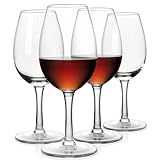


Top 3 picks at a glance
Quick answer: which port glass should you choose?
| Best for | Recommended glass design | Typical capacity | Why it works |
|---|---|---|---|
| Ruby port | Medium tulip bowl with a moderately narrow rim | 180–250 ml | Provides enough room for fruit-forward aromas without making a small pour look lost |
| Tawny port | Wider bowl with a gently closing rim | 180–250 ml | Lets nutty, dried-fruit and caramel notes open while retaining concentration |
| Vintage port | Small, narrow tulip or traditional port bowl | 160–220 ml | Directs concentrated aromas toward the nose and encourages controlled sipping |
| Everyday use | Machine-made lead-free crystal with a medium stem | 180–220 ml | Balances clarity, durability, dishwasher compatibility and aroma performance |
What makes the best port wine glasses different?
Port is usually served in a smaller pour than table wine, commonly around 60–90 ml. A glass does not need a large Bordeaux-sized bowl to show its character. Instead, the important features are the relationship between bowl volume, surface area, rim diameter and stem height.
A glass that is too large can make a small serving seem shallow and disperse delicate aromas across a wide opening. A glass that is too small may restrict swirling and concentrate alcohol more than fruit. The ideal shape gives the wine enough air to release aroma while narrowing at the top so those aromas reach the nose.
Bowl shape
A tulip-shaped bowl is the safest all-round choice. Its lower section holds the wine and its inward curve gathers volatile aromas above the liquid. A rounded bowl with a slightly tighter shoulder is particularly useful for tawny port, whose aromas can include walnut, orange peel, vanilla and dried fruit.
Ruby port benefits from a medium-sized bowl rather than an extremely narrow one. Its blackberry, cherry and plum character is often more expressive when the wine has room to move. Vintage port can use either a compact tulip bowl or a traditional port glass, provided the rim is narrower than the widest part of the bowl.
Rim size
The rim controls both aroma concentration and the way port reaches the palate. A rim approximately 45–55 mm wide works well for most port glasses in the 160–250 ml range. Smaller rims intensify aroma and can make vintage port feel more focused, while wider rims give tawny port a more open, wine-like presentation.
Very wide rims are usually a poor choice for port because they allow alcohol to escape quickly and make the wine harder to direct toward the tongue. A sharply flared cocktail-style rim is also less suitable: it emphasizes volume and presentation over aroma capture.
Stem design
A medium-length stem is the practical sweet spot. It keeps fingers away from the bowl, reducing heat transfer and fingerprints, but is less fragile than an exceptionally tall stem. A foot around 65–75 mm wide provides useful stability for a glass holding a small but relatively heavy pour.
Traditional port glasses often have shorter stems and compact bowls. These are easy to control and work well for casual serving. Tall-stemmed wine glasses look elegant, but their extra height adds little to aroma performance unless the bowl shape is also well designed.
Head-to-head: the main port glass styles
Traditional port glass
This style has a small bowl, short-to-medium stem and a narrow opening. It is excellent for vintage port and fortified wines served after dinner. The compact capacity discourages overpouring and keeps the wine concentrated.
- Best match: vintage port and late-bottled vintage port.
- Strengths: strong aroma focus, controlled sips and low serving volume.
- Limitations: less room for swirling; may make a broad, fruit-driven ruby port feel constrained.
Small tulip wine glass
This is the most versatile design. It has a bowl wider than the rim, enough space for gentle swirling and a stem that keeps the wine cool. A 180–220 ml version is a strong choice when one glass must serve ruby, tawny and vintage port.
- Best match: mixed collections and regular home use.
- Strengths: good aroma concentration, easy swirling and broad compatibility.
- Limitations: less specialized than a very narrow vintage-port glass.
Large white-wine or universal glass
A larger white-wine glass can work for tawny port when the pour is modest and the bowl narrows at the rim. Its extra surface area helps mature tawny aromas open, but it should not be filled more than one-quarter to one-third full.
- Best match: aged tawny and colheita port.
- Strengths: generous aroma development and easy swirling.
- Limitations: a wide rim can make young ruby port seem alcoholic and diffuse.
Oversized red-wine glass
An oversized Cabernet-style glass is usually unnecessary. It can display the color attractively, but its capacity encourages an excessive pour and its wide bowl may reduce aroma concentration. Use it only if it has a pronounced tulip shape and the serving is kept small.
Known glass options and what they suit
The Riedel Vinum Port Glass is a practical machine-made option with a compact bowl intended for fortified wine. It suits buyers who want a dedicated port shape with consistent dimensions and everyday durability.
The Riedel Sommeliers Vintage Port glass is a more specialized stemmed design for drinkers who prioritize a refined, narrow bowl and aroma direction. It is most appropriate for vintage port and other concentrated after-dinner wines, though its thinner construction calls for more careful handling.
The Spiegelau Willsberger Anniversary Burgundy glass is not a dedicated port glass, but its rounded bowl and narrowing rim can suit mature tawny or colheita port when used with a small pour. It is a better fit for someone who wants one glass for both table wine and port rather than a port-only set.
For a dishwasher-focused household, look for a machine-made lead-free crystal or soda-lime glass explicitly marked dishwasher safe. Dedicated port glasses from premium handmade ranges can offer thinner rims and more elegant balance, but their care requirements are often less convenient.
Glass thickness and dishwasher safety
Thin glass improves the lip sensation and makes the wine feel less obstructed as it enters the mouth. It also tends to be lighter and more visually refined. The trade-off is lower impact tolerance, especially around the rim and stem.
Thicker machine-made glass is more forgiving for frequent use. It may feel less delicate, but port is aromatic enough that a well-shaped medium-thickness rim still performs effectively. For most households, bowl geometry matters more than pursuing the thinnest possible glass.
Dishwasher safety depends on the exact model and manufacturer instructions, not simply on whether the glass is called crystal. If dishwasher compatibility is important, choose glasses with all of the following:
- A published dishwasher-safe designation.
- A sturdy stem-to-bowl transition with no visibly delicate joint.
- Enough foot width to remain stable in the rack.
- A rim that does not touch neighboring glasses during the wash cycle.
Use a low-temperature cycle, avoid overcrowding, and remove glasses after the cycle finishes so detergent residue and heat do not linger. Hand-wash thin handmade stems, painted decoration and glasses whose instructions prohibit machine cleaning.
Decision matrix: match the glass to your serving habits
| Your situation | Choose | Avoid |
|---|---|---|
| You mainly drink young ruby port | 180–250 ml tulip bowl with a 48–55 mm rim | Very narrow tasting glasses that restrict fruit expression |
| You collect vintage port | 160–220 ml dedicated port or narrow tulip glass | Wide, oversized red-wine bowls |
| You prefer aged tawny or colheita | 200–250 ml rounded bowl with a closing rim | Small glasses that prevent gentle swirling |
| You host frequently | Machine-made, lead-free, dishwasher-safe medium tulip glasses | Very thin handmade stems with narrow feet |
| You want one glass for wine and port | 180–250 ml universal or small white-wine tulip glass | Oversized glasses above about 400 ml unless carefully controlled |
How to serve port in the glass
Pour 60–90 ml, leaving at least half the bowl empty. This gives the wine space to release aroma and prevents the stemware from becoming top-heavy. For vintage port, pour gently and avoid vigorous swirling if sediment is present. For ruby and tawny port, one or two slow rotations are enough.
Serve most port slightly cool rather than warm: approximately 12–16°C for ruby and vintage styles, and around 10–14°C for lighter tawny styles, depending on the producer and personal preference. A narrow rim can make alcohol feel more prominent when the wine is too warm, so temperature and glass shape should be judged together.
In 2026, the best overall choice remains a 180–220 ml tulip-shaped port glass with a medium stem, a rim around 45–55 mm, lead-free construction and clearly stated dishwasher safety. Choose a smaller, narrower version for vintage port, a roomier rounded version for tawny, and a medium tulip for ruby and mixed use.
Frequently asked questions
How much port should you pour into a port glass?
A typical serving is around 60–90 ml. The glass should remain well below its full capacity so the wine has enough room to release aromas without making the pour seem lost. For a larger white-wine or universal glass, keep the serving to no more than one-quarter to one-third full, especially with tawny or colheita port.
Can one glass work for ruby, tawny, and vintage port?
Yes, a small tulip wine glass is the most versatile single-glass choice. A 180–220 ml bowl provides room for gentle swirling while its narrower rim concentrates aromas. It suits ruby, tawny, and vintage port, although a dedicated narrow glass may focus vintage port more strongly and a roomier bowl may better suit mature tawny.
Why is a large red-wine glass usually not ideal for port?
An oversized red-wine glass is usually unnecessary because its wide bowl can reduce aroma concentration and encourage an excessive pour. It may work if it has a pronounced tulip shape and the serving stays small, but a medium tulip glass generally offers better control, concentration, and compatibility with port’s smaller serving size.
Are crystal port glasses safe to put in the dishwasher?
Not necessarily; dishwasher safety depends on the exact model and the manufacturer’s instructions. Look for a published dishwasher-safe designation, a sturdy stem-to-bowl transition, a stable foot, and enough spacing to keep the rim from touching neighboring glasses. Use a low-temperature cycle, avoid overcrowding, and hand-wash thin handmade stems when instructed.
How should port glasses be held when serving or drinking?
Hold the glass by its stem rather than the bowl. A medium-length stem keeps fingers away from the wine, reducing heat transfer and fingerprints. A stable foot also helps when the glass contains a small but relatively heavy pour. Traditional short-stemmed glasses are easy to control, while extra height adds little to aroma performance by itself.


