
The best replacement patio cushions are the ones that match your furniture’s measured seat and back dimensions, use outdoor-rated foam or fiberfill, include UV-resistant fabric, and attach securely without forcing the cushion into an undersized frame.
As an Amazon Associate we earn from qualifying purchases at no extra cost to you.
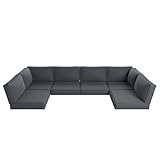

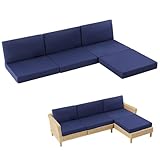

Top 3 picks at a glance
Start With the Furniture, Not the Cushion Listing
Patio furniture dimensions are rarely standardized. Two chairs described as “deep seating” can differ by several inches, while a cushion labeled “bench cushion” may be intended for an indoor window seat rather than an outdoor frame. Measure the furniture before comparing materials or colors.
- Seat width: Measure the usable interior width between the arms. For a sofa, measure the full seating area and note whether one long cushion or several individual cushions fit better.
- Seat depth: Measure from the front edge of the seat frame to the point where the back cushion rests. Do not measure over an existing cushion unless it is fully compressed.
- Seat height: Add the cushion’s compressed thickness to the frame height. A cushion that is too thick can make the chair uncomfortable and leave little support under your knees.
- Back height and width: Measure the open back area, including any side rails that limit the cushion’s width.
- Corner shape: Check for rounded corners, sloped backs, curved arms, or a gap between the seat and back. A rectangular cushion may fit the width but still bunch at the corners.
Allow only a small fitting tolerance. A cushion approximately 1/2 inch narrower than the available space can usually settle into place, but a cushion more than 1 inch wider may buckle or put stress on the seams. Depth is even more important: an over-deep cushion can protrude beyond the frame and slide forward.
Common Patio Cushion Sizes and Suitable Fill
| Furniture type | Typical cushion dimensions | Useful thickness | Best fill direction | Fastening priority |
|---|---|---|---|---|
| Dining chair | 18–20 in. wide × 16–18 in. deep | 2–3 in. | Medium-density foam or foam-and-fiber blend | Two rear ties or a non-slip base |
| Standard lounge chair | 22–26 in. wide × 20–24 in. deep | 3–5 in. | Medium- to high-density outdoor foam | Seat and back ties |
| Deep-seating chair | 26–32 in. wide × 24–30 in. deep | 5–8 in. | High-resilience foam, often wrapped in fiber | Multiple ties or hook-and-loop tabs |
| Loveseat | 44–52 in. wide × 20–26 in. deep | 4–6 in. | Two-piece foam cushions for easier handling | Seat and back connectors |
| Outdoor sofa | 68–80 in. wide × 20–28 in. deep | 4–8 in. | Separate foam cushions rather than one oversized insert | Center and rear attachments |
| Chaise lounge | 24–30 in. wide × 72–84 in. long | 3–6 in. | Firm foam with a shaped or segmented profile | Several ties along the length |
These are comparison ranges, not universal standards. Always prioritize your measured furniture. As a practical check, divide a sofa’s usable seat width by the number of cushions. For example, a 72-inch seating area divided into three cushions gives 24 inches per cushion. Allowing roughly 1/4 inch of clearance per side produces an individual target near 23 1/2 inches wide, depending on the cushion manufacturer’s stated dimensions.
Foam, Fiberfill, and Combination Fills
High-resilience outdoor foam
Foam is the strongest choice for frequently used seating because it holds its shape and makes getting up easier. Look for open-cell outdoor foam or reticulated foam when ventilation and faster drainage are important. Open-cell construction lets water pass through the insert instead of remaining trapped inside a solid block.
Firm foam is suitable for dining chairs and upright lounge seating. Softer foam feels more relaxed in a deep-seating chair, but it compresses farther and can make a low frame feel unusually low. For a sofa, separate foam inserts are generally easier to remove, dry, and replace than one very large insert.
Polyester fiberfill
Fiberfill is lightweight, soft, and often less expensive. It works well for back cushions, decorative pillows, and occasional-use seats. Its main weakness is compression: a frequently used seat can develop a flattened center, especially if the fill is loose rather than enclosed in a structured casing.
Foam wrapped in fiber
A foam core wrapped in polyester fiber combines support with a fuller, softer appearance. It is a strong all-purpose option for lounge chairs and sofas. The trade-off is that the wrap can retain more moisture than exposed open-cell foam, so a cushion should still be stood on edge after rain and stored dry during prolonged wet weather.
Fabric Durability and UV Resistance
Outdoor fabric needs more than a water-resistant surface. Sunlight gradually weakens fibers, fades dyes, and makes low-quality coatings crack or peel. Prioritize solution-dyed acrylic or solution-dyed polyester when cushions will remain outside for much of the season. In these fabrics, color is incorporated into the fibers rather than applied only to the surface, improving resistance to fading.
- Solution-dyed acrylic: A premium choice for strong sun, frequent use, and long-term color retention. It is breathable and commonly available in textured outdoor weaves.
- Solution-dyed polyester: Often costs less while providing good UV performance. It is a sensible choice for partly shaded patios and seasonal use.
- Olefin: Lightweight and resistant to moisture and mildew, with good color retention in many outdoor grades. Check the specific product’s UV rating rather than relying on the fiber name alone.
- Coated polyester or basic outdoor polyester: Can be suitable for a covered patio, but quality varies considerably. Inspect the seam construction, coating, and stated UV warranty.
For exposed furniture, a fabric rated for outdoor UV use is more valuable than a very light color alone. Dark colors may absorb more heat, while very pale fabrics show soil and pollen quickly. A medium tone with a subtle weave often hides minor dirt without becoming excessively hot.
Fastening Options: Match the Attachment to the Problem
| Fastening method | Best for | Advantages | Limitations |
|---|---|---|---|
| Fabric ties | Dining chairs and slatted frames | Simple, inexpensive, easy to replace | Can loosen in strong wind; tie points must align |
| Hook-and-loop tabs | Deep seats and smooth frames | Quick removal and strong lateral control | Adhesive-backed versions may fail on dusty or textured surfaces |
| Non-slip bottom fabric | Heavy cushions on stable frames | No visible straps; easy to clean | Does not prevent lifting or wind movement |
| Built-in straps or buckles | Exposed decks and windy locations | Most reliable against movement | Can look bulky and requires suitable anchor points |
| Connecting clips | Multi-cushion sofas and sectionals | Keeps cushions aligned at the center | May not fit every cushion thickness or frame design |
For a breezy patio, attachment points matter more than a heavy cushion alone. A simple estimate illustrates why: a 24-by-24-inch cushion presents about 4 square feet of upward-facing area. A gust applying only 1 pound of force per square foot can produce roughly 4 pounds of lift before edge effects and gaps are considered. Two properly placed ties or tabs can prevent that movement; a non-slip underside by itself may not.
Decision Matrix for Different Patio Setups
| Your situation | Recommended specification | What to avoid |
|---|---|---|
| Covered dining area, occasional use | 2–3-inch medium foam, solution-dyed polyester, rear ties | Very thick cushions that raise dining height |
| Full-sun lounge chair | 3–5-inch outdoor foam, solution-dyed acrylic, UV-resistant thread | Indoor cotton or uncoated decorative fabric |
| Deep-seating sofa used daily | 5–8-inch high-resilience foam, fiber wrap, separate seat sections | Loose fiberfill-only seat cushions |
| Rain-prone uncovered patio | Open-cell or reticulated foam, breathable cover, drainage gaps | Solid foam with a sealed cover left outdoors continuously |
| Windy balcony or rooftop | Close-fitting cushions with ties, buckles, or strong hook-and-loop tabs | Loose cushions relying only on weight |
| Curved or unusual frame | Custom-cut foam and a measured template | Forcing a standard rectangular cushion into the corners |
How to Compare Listings Without Guessing
First, compare finished dimensions rather than nominal categories such as “large chair” or “deep seat.” Next, confirm whether the listed thickness is measured before or after filling. Then check the insert material, cover composition, zipper quality, seam type, and whether the cover can be removed for cleaning.
Look for double-stitched stress points around ties and handles. A zipper protected by a fabric flap is preferable to an exposed zipper on furniture that receives frequent rain. Also confirm whether replacement covers are available separately; replacing a cover is usually less expensive and less wasteful than replacing a good foam core.
General market pricing varies by size and construction. Basic dining-chair cushions commonly fall around $20–$50 each, while better outdoor foam lounge cushions often cost about $60–$180 each. Large sofa, sectional, custom-shaped, and premium acrylic-fabric cushions can range from roughly $200 to $600 or more for a set or large individual piece. Custom cutting increases the price but can prevent the recurring problem of cushions that slide, wrinkle, or leave unsupported gaps.
Care That Extends Cushion Life
Brush off loose dirt before it becomes embedded, clean spills with mild soap and water, and follow the fabric maker’s instructions before using any stain treatment. After rain, stand cushions on edge so air can reach both sides. Do not compress wet cushions into a storage box, because trapped moisture encourages mildew and odor.
During long periods of bad weather or winter storage, keep cushions in a dry, ventilated container rather than a tightly sealed plastic bag. Even UV-resistant fabric lasts longer when protected from unnecessary sun exposure. With accurate measurements, an appropriate fill, durable fabric, and attachment points suited to the frame, choosing the best replacement patio cushions becomes a fit-and-use decision rather than a guess based on appearance.
Frequently asked questions
How much fitting tolerance should I allow when choosing a replacement cushion?
Allow only a small fitting tolerance, with a cushion about 1/2 inch narrower than the available space usually able to settle into place. Avoid cushions more than 1 inch wider than the opening because they may buckle or stress the seams. Also check depth carefully, since an over-deep cushion can protrude beyond the frame and slide forward.
Should I choose one long sofa cushion or several smaller cushions?
Several separate cushions are generally easier to remove, dry, and replace than one very large insert. Measure the sofa’s usable seat width and divide it by the number of cushions you plan to use. For example, a 72-inch seating area divided into three cushions gives 24 inches per cushion before allowing clearance.
What should I do if my patio furniture gets wet?
Stand wet cushions on edge so they can drain and dry, and store them in a dry place during prolonged wet weather. Open-cell or reticulated foam can help water pass through the insert, while a foam core wrapped in fiber may retain more moisture. Drainage gaps and a breathable cover are useful for rain-prone patios.
How can I keep patio cushions from blowing away?
Use properly positioned ties, hook-and-loop tabs, built-in straps, buckles, or connecting clips rather than relying only on cushion weight. Fabric ties suit dining chairs and slatted frames, while buckles or strong hook-and-loop tabs are better for windy locations. A non-slip underside can limit sliding on stable frames but does not prevent lifting or wind movement.
What should I do if my furniture has a curved or unusual shape?
Use custom-cut foam and a measured template instead of forcing a standard rectangular cushion into the corners. Check for rounded corners, sloped backs, curved arms, and gaps between the seat and back. These features can cause a rectangular cushion to fit the width but still bunch, protrude, or leave an uncomfortable gap.


