
The best camera backpacks for travel and daily carry are the Peak Design Everyday Backpack 20L, Lowepro ProTactic BP 450 AW III, Shimoda Explore V2 25, WANDRD PRVKE 31L, and Lowepro PhotoSport X 45L, depending on whether your priority is compact carry, protection, hiking comfort, or maximum equipment capacity.
As an Amazon Associate we earn from qualifying purchases at no extra cost to you.
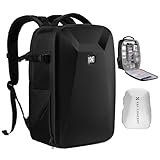
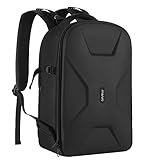
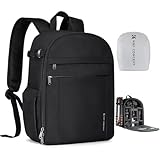

Top 3 picks at a glance
Quick Comparison: Best Camera Backpacks
| Backpack | Capacity | Laptop storage | Best for | Typical market range |
|---|---|---|---|---|
| Peak Design Everyday Backpack 20L | 20–30L expandable | Up to 15-inch class, depending on generation | Minimalist daily carry and short trips | Usually $200–$300 |
| Lowepro ProTactic BP 450 AW III | Approximately 25L | Up to 15-inch class | Maximum camera protection and modular access | Usually $250–$350 |
| Shimoda Explore V2 25 | 25L | Up to 16-inch class, depending on insert and configuration | Travel photography with all-day comfort | Usually $250–$400 |
| WANDRD PRVKE 31L | 31L expandable | Up to 16-inch class | Camera gear plus clothing and personal items | Usually $250–$350 |
| Lowepro PhotoSport X 45L AW | 45L | Dedicated hydration and outdoor-oriented storage; laptop compatibility varies by configuration | Multi-day outdoor travel and large kits | Usually $300–$450 |
Capacity figures are approximate because removable camera inserts, dividers, expansion zips, and regional versions change how much usable space each bag provides. Check the manufacturer’s current dimensions before buying, especially for a large laptop or a long telephoto lens.
How to Choose the Right Camera Backpack
1. Match the camera protection to your equipment
A camera backpack is only protective if the camera compartment prevents equipment from moving. Look for a padded, removable camera cube or a rigidly supported internal compartment with adjustable dividers. Thick padding matters, but divider layout matters just as much: a poorly arranged bag can let a lens strike the camera body during a fall.
- Small mirrorless kit: A 20–25L bag usually fits one body, two or three compact lenses, batteries, and a small flash.
- Full-frame travel kit: Choose roughly 25–31L for a body, 24–70mm lens, wide-angle lens, telephoto zoom, charger, and personal items.
- Large DSLR or professional mirrorless kit: A deeper bag such as the ProTactic BP 450 AW III is safer than a slim lifestyle backpack.
- Telephoto or outdoor kit: Check the internal height and removable insert dimensions rather than relying on the advertised litre rating.
The Peak Design Everyday Backpack is convenient because its FlexFold dividers can create separate shelves around a camera body and lenses. The Lowepro ProTactic places more emphasis on dedicated protection and exterior attachment points. Shimoda’s removable Core Units are useful when you want to carry the same camera insert inside different travel or hiking bags.
2. Treat laptop space as a separate requirement
A backpack can have enough total volume for a laptop but still be unsuitable if the computer sleeve is narrow, unpadded, or positioned against the floor. Measure the laptop’s actual width, depth, and thickness, including a protective case. A 16-inch laptop can exceed the practical dimensions of a compartment advertised for a smaller 15-inch model.
For everyday use, prioritize a suspended laptop sleeve: the sleeve should stop above the bottom of the backpack so the computer does not take the full impact when the bag is put down. The Peak Design Everyday Backpack and WANDRD PRVKE are particularly suited to camera-plus-computer carry, while the ProTactic is more camera-centric.
3. Calculate capacity instead of guessing from litres
Here is a practical packing calculation. Suppose your daily kit requires:
- Camera body and attached lens: about 5L of protected space
- Two additional lenses and accessories: about 5–7L
- 16-inch laptop and charger: about 3–4L
- Jacket, notebook, water bottle, and lunch: about 8–10L
- Padding, divider inefficiency, and easy-access clearance: about 20% overhead
The basic load is approximately 21–26L. Adding 20% overhead produces roughly 25–31L, so a nominal 20L backpack will feel cramped even if the camera equipment technically fits. For this load, a 31L expandable model such as the WANDRD PRVKE 31 is a better match than a compact 20L daily bag.
Best Camera Backpacks by Use Case
Best compact daily option: Peak Design Everyday Backpack 20L
The Everyday Backpack 20L is a strong choice for commuting, urban photography, and short flights when you want a relatively compact exterior. Its side access lets you retrieve a camera without fully opening the top, while the structured opening and flexible dividers help separate camera gear from office items.
Its main limitation is volume. Once a camera, two lenses, laptop, water bottle, and jacket are inside, little room remains for bulky clothing or a large telephoto lens. Choose it when a neat daily profile matters more than maximum equipment capacity. The larger Everyday Backpack version is preferable if you routinely carry both photo gear and personal items.
Best for maximum camera protection: Lowepro ProTactic BP 450 AW III
The ProTactic BP 450 AW III is designed around a substantial camera load. Its padded interior, customizable dividers, multiple access points, and modular exterior attachment system suit photographers carrying several lenses, a flash, or a larger camera body.
This design is protective but less discreet and less flexible as a normal office backpack. It can also become heavy quickly: a fully loaded camera bag may weigh more than the comfortable daily-carry limit for many people. Use the waist belt when walking for extended periods, rather than treating it as decorative equipment.
Best for travel comfort: Shimoda Explore V2 25
The Shimoda Explore V2 25 is aimed at photographers who spend substantial time walking. Its supportive harness, adjustable torso options on compatible configurations, removable Core Units, and broad access make it practical for travel and outdoor work.
The removable insert is a major advantage: you can take the camera cube out and use the backpack for ordinary travel. The trade-off is that the final fit depends on which Core Unit you install. Before purchase, compare the insert’s internal dimensions with the camera body and longest lens, not just the backpack’s external capacity.
Best camera-and-clothing combination: WANDRD PRVKE 31L
The WANDRD PRVKE 31L works well when photography is only part of the trip. Its expandable roll-top section can hold clothing, toiletries, or a jacket, while the separate camera cube protects a mirrorless or DSLR kit. A clamshell-style opening also makes airport packing easier than a narrow top-loading design.
It is less ideal if you need instant access to every lens or a highly padded, rigid compartment. The bag’s flexibility is its strength, but that flexibility means careful divider setup is important. Pack the camera cube tightly enough that equipment cannot shift when the backpack is tilted.
Best for multi-day outdoor travel: Lowepro PhotoSport X 45L AW
The PhotoSport X 45L AW is suited to photographers combining camera equipment with hiking or multi-day travel supplies. Its large capacity, outdoor-oriented harness, weather protection, and compatibility with removable camera inserts make it more capable than a typical commuter camera bag.
This is not the best choice for a light daily commute. A 45L pack may be too large for under-seat airline storage and can appear oversized in an office. Select it when sleeping gear, spare clothing, food, and a substantial camera kit are all part of the same trip.
Carry-On Fit: What to Check Before Flying
Airline limits vary, so there is no universal “carry-on size.” Many airlines use limits near 55 × 40 × 20cm for an overhead cabin bag, while personal-item limits are substantially smaller. A backpack can fit the overhead dimensions yet fail a personal-item check because it is too deep or too full to slide under the seat.
- Measure the packed bag, not its empty dimensions.
- Keep expansion zips closed when checking airline compliance.
- Do not fill exterior pockets with hard objects that increase depth.
- Place batteries, memory cards, and fragile equipment where they can be removed for security screening.
- Confirm the airline’s current rules for your exact fare and route.
For frequent air travel, the Peak Design 20L or Shimoda Explore V2 25 is easier to manage than a 45L hiking pack. The PRVKE 31L can work as an overhead bag when not expanded, but its packed depth must be measured rather than assumed.
Material Durability and Weather Protection
Look for high-denier nylon or polyester, reinforced stitching at shoulder-strap anchors, protected zippers, and a base that can tolerate wet floors. Water-resistant fabric is not the same as waterproof construction. A rain cover or fully sealed dry bag is still necessary in prolonged heavy rain.
Rigid structure improves camera protection but adds weight. Soft bags are lighter and easier to compress under an airline seat, yet they offer less protection when squeezed. For daily carry, a durable coated fabric and reinforced base often provide a better balance than maximum padding. For hiking, harness construction and load transfer may matter more than a slightly tougher outer fabric.
Decision Matrix
| Your situation | Recommended type | Why | Compromise |
|---|---|---|---|
| One camera, two lenses, laptop, normal commute | 20–25L everyday camera backpack | Compact profile and quick access | Limited clothing capacity |
| Full-frame kit plus laptop and jacket | 25–31L expandable backpack | Enough space without a hiking-pack footprint | Heavier when fully packed |
| Several lenses, flash, and robust protection | Dedicated modular camera backpack | Better padding and equipment organization | Less discreet and less comfortable as an office bag |
| Camera gear plus multi-day hiking equipment | 40–45L outdoor camera pack | Harness support and space for non-camera supplies | Too large for many daily or personal-item uses |
Final Recommendation
Choose the Peak Design Everyday Backpack 20L for a compact daily setup, the Lowepro ProTactic BP 450 AW III for serious camera protection, the Shimoda Explore V2 25 for long walking days, the WANDRD PRVKE 31L for camera gear mixed with travel clothing, and the Lowepro PhotoSport X 45L AW for multi-day outdoor trips. The best camera backpacks are not the ones with the largest capacity; they are the ones that match your equipment volume, laptop dimensions, carrying distance, and airline requirements without leaving fragile gear loose inside.


