
Top 3 picks at a glance

Best Extension Ladders for Safe, Easy Reach
The best extension ladders are usually lightweight fiberglass or aluminum models with a working height that leaves at least 2–3 feet above your intended reach, a suitable duty rating, secure rung locks, and feet designed for the surface where you will use them.
A ladder’s advertised length is not the same as its usable reach. A 24-foot extension ladder does not safely let most people work at 24 feet, because the upper section must extend above a roof edge and the user should not stand on the highest rungs. Before comparing brands, choose the correct height, material, duty rating, and storage size for the job.
As an Amazon Associate we earn from qualifying purchases at no extra cost to you.

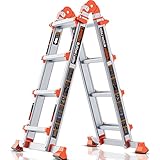
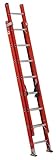
Quick choices: which ladder fits your work?
| Typical job | Recommended ladder class | Why it fits | Main trade-off |
|---|---|---|---|
| Indoor access to a 10–12-foot ceiling | 16-foot aluminum extension ladder or compact multi-position ladder | Enough reach without excessive weight or length | Extension ladders need more setup space than step ladders |
| Single-story gutters and roof edges | 20–24-foot Type IA or IAA extension ladder | Usually provides safe reach to common eaves | Longer rails are harder to carry and store |
| Two-story residential work | 24–32-foot fiberglass or aluminum ladder | Offers practical roof and upper-wall reach | Requires a larger setup area and careful leveling |
| Work near electrical service | Fiberglass Type IA or IAA extension ladder | Fiberglass does not conduct electricity like aluminum | Heavier and usually more expensive |
| Occasional transport in a small vehicle | Telescoping or compact multi-position ladder | Shorter stored length | Often less rigid and less comfortable at maximum extension |
How to choose the right ladder height
Start with the highest point where your hands must work, not the height of the wall. For roof access, the rails should extend at least 3 feet above the landing surface so you have handholds while stepping off. For gutter cleaning or exterior repairs performed from the ladder, you need enough length to position the ladder at a safe angle while keeping your body below the highest permitted standing rung.
A practical reach calculation
Suppose the roof edge is 18 feet above the ground. You want the ladder to extend 3 feet above the edge, so the upper rail needs to reach about 21 feet. However, the ladder is not vertical. At the commonly recommended setup angle of about 75 degrees, its base sits away from the wall and the required rail length is longer than the vertical height.
Using the simple relationship rail length = vertical height ÷ sin(75°):
- Required vertical rail height: 21 feet
- sin(75°): approximately 0.966
- Estimated rail length: 21 ÷ 0.966 = about 21.7 feet
That points to a 24-foot ladder rather than a 20-foot model. The extra length allows for the ladder angle, overlap between sections, and safe positioning. If the ground is uneven, the roof edge is unusually high, or you need to work beside rather than directly below the roof, choose the next size up only if you can transport, raise, and secure it safely.
Duty rating: account for more than your body weight
The duty rating includes you, your clothing, tools, materials, and anything carried on the ladder. A 200-pound worker carrying a 20-pound tool bag is already at 220 pounds before allowing any margin. A Type I ladder is generally rated for 250 pounds, while Type IA is commonly rated for 300 pounds and Type IAA for 375 pounds. Ratings vary by model, so check the label rather than relying only on the category.
For household maintenance, Type IA is a useful minimum for many users because it leaves more capacity for tools and winter clothing. Type IAA makes sense for heavier equipment or frequent professional work, but its stronger rails can increase the ladder’s weight. Never exceed the marked rating to avoid stressing the rails, rung connections, and locking mechanisms.
Aluminum versus fiberglass
Aluminum
Aluminum ladders are usually the easiest long extension ladders to carry. They resist rust, are widely available, and often cost less. Their drawback is electrical conductivity: an aluminum ladder should not be used anywhere it could contact energized wiring, service drops, or electrical equipment.
Fiberglass
Fiberglass is the safer material choice near electrical hazards because it does not conduct electricity in the same way as aluminum. It also tends to feel more rigid during use. The disadvantages are greater weight, a bulkier carry, and possible weathering or surface damage over years of outdoor exposure. Inspect fiberglass rails for cracks, splits, deep abrasions, or exposed fibers before every use.
For painting, gutter work, and general exterior maintenance away from electrical hazards, either material can work. For work close to electrical components, choose a fiberglass model and still maintain a safe distance: nonconductive does not mean safe to touch energized equipment.
Features that improve setup stability
Stability is determined by the surface, angle, feet, locks, and top contact—not simply by the ladder’s weight. Look for wide, slip-resistant feet with adjustable levelers if you regularly work on sloped driveways, steps, or uneven soil. A ladder with a stabilizer bar at the top can spread contact across siding or a window area, but it is not a substitute for a sound wall or a properly tied ladder.
- Rung locks: Both locks should engage fully and sit evenly on the same rung.
- Non-slip shoes: The feet should be clean, intact, and matched to the surface.
- Leveling capability: Useful outdoors, but never improvise with bricks, loose boards, or boxes.
- Wall standoff: Helps keep rails away from gutters and improves access around roof edges.
- Heavy-duty rails: Increase rigidity but also make raising the ladder more demanding.
The 4-to-1 setup rule
For every 4 feet of vertical height from the ground to the upper support point, place the ladder base about 1 foot away from the wall. If the support point is 20 feet high, the base should be approximately 5 feet out. Measure along the wall rather than guessing from the ladder’s total length. This is a setup distance, not permission to use a ladder on a surface where it cannot sit level or be secured.
Storage footprint and transport
A 24-foot extension ladder may be roughly 12–14 feet long when retracted, depending on its section design. It can fit in a garage only if you have wall clearance, ceiling height, and a safe way to mount it. A 28- or 32-foot model can become difficult to move through doorways and may require two people to raise.
Measure the storage location before buying:
- Stored length: Check the manufacturer’s retracted dimension, not just the working length.
- Rail width: Wide ladders may not fit between garage shelving or vehicle rails.
- Weight: Confirm that you can lift and control it without twisting.
- Vehicle transport: Use a properly rated roof rack or ladder carrier, with front and rear tie-downs where needed.
Telescoping ladders have a much smaller storage footprint and suit apartment owners or occasional indoor users. They are less ideal for long periods at maximum extension, rough outdoor terrain, or jobs where you need a broad, rigid feel. Compact multi-position ladders can function as an extension, stepladder, or scaffold-style configuration, but each mode has its own height and weight limits.
Notable ladder types and product lines
Werner extension ladders are common choices for homeowners and tradespeople, with aluminum and fiberglass models across several duty ratings. They are worth considering when replacement parts, familiar rung-lock designs, and broad size selection matter.
Little Giant models, including the King Kombo and HyperLite lines, focus on multi-position flexibility or reduced weight. They can be useful when one ladder must handle indoor, outdoor, leaning, and stepladder tasks, although their hinge systems and broader bases may occupy more floor space than a conventional extension ladder.
Louisville Ladder fiberglass and aluminum models cover common residential and professional sizes and can be a practical choice when you want conventional extension-ladder geometry with a range of Type IA and IAA ratings.
These product families are starting points, not automatic winners. Compare the exact model’s closed length, weight, duty rating, maximum standing level, rung spacing, and included stabilizer or leveler. A lighter 24-foot ladder that you can position correctly is safer than a heavier 28-foot ladder that you struggle to raise.
Safe setup checklist
- Inspect rails, rungs, locks, shoes, ropes, pulleys, and rivets before moving the ladder into position.
- Clear doors, vehicles, branches, wet leaves, and overhead lines from the work area.
- Set the base using the 4-to-1 rule on firm, level ground.
- Raise the ladder with the taller section facing the wall and keep the area clear of people.
- Confirm both rung locks are fully seated and the upper section overlaps as specified on the label.
- Tie the top or secure the base when the ladder could slide, especially for roof access.
- Climb facing the ladder with three points of contact and keep your belt buckle between the rails.
Do not move, “walk,” or extend an occupied ladder. Do not stand on the top cap or any prohibited top steps, and avoid carrying bulky objects that prevent you from holding the rails. For roof work, use a properly secured ladder and consider dedicated roof-access equipment when the pitch, height, or surface makes a standard extension ladder inappropriate.
Frequently asked questions
Can I use an aluminum ladder near power lines or electrical equipment?
No, an aluminum ladder should not be used where it could contact energized wiring, service drops, or electrical equipment. Choose a fiberglass model for work close to electrical hazards, but keep a safe distance because nonconductive does not mean safe to touch energized equipment. Inspect the ladder before every use.
How far should an extension ladder extend above a roof?
The ladder rails should extend at least 3 feet above the roof or other landing surface. This provides handholds while stepping off. The ladder must also be positioned at a safe angle, with both rung locks fully engaged and the base placed on a level, secure surface rather than on bricks, loose boards, or boxes.
What should I check before carrying or buying a long extension ladder?
Check the ladder’s retracted length, rail width, and weight, and measure the intended storage location first. Confirm that you can lift and control the ladder without twisting. For transport, use a properly rated roof rack or ladder carrier with front and rear tie-downs where needed, and make sure the ladder can pass through doorways safely.
Are ladder stabilizer bars necessary for gutter or roof work?
A stabilizer bar is helpful because it can spread contact across siding or a window area and improve access around roof edges. It is not a substitute for a sound wall or a properly tied ladder. Stability still depends on the surface, angle, feet, rung locks, and top contact, so inspect and secure the entire setup.
Why might a fiberglass ladder be better than aluminum for exterior work?
Fiberglass may be better when work is close to electrical hazards because it does not conduct electricity in the same way as aluminum. It also tends to feel more rigid during use. However, fiberglass is heavier and bulkier to carry, and its rails should be inspected for cracks, splits, deep abrasions, or exposed fibers before every use.
Bottom line
For most homeowners, the best extension ladders are a Type IA fiberglass model for electrical-adjacent or demanding work, or a lighter aluminum Type IA model for ordinary exterior maintenance away from electrical hazards. Choose 20–24 feet for many single-story jobs, 24–32 feet for typical two-story access, and a compact or telescoping design when storage and transport matter more than maximum rigidity. The correct height, secure setup, and realistic weight capacity matter more than buying the longest ladder available.


