
Fishing and adventure vlogging punishes gear that streamers get away with indoors. Your kit gets wet, bounced in a backpack, and asked to record in wind and glare all day on battery power. The winning setup is not the most expensive one — it is the one that survives, keeps audio clean in wind, and still has charge when the big catch happens. Here is how to build a durable outdoor rig.
Top 3 picks at a glance
Camera: rugged beats fancy
An action camera is the backbone of most fishing vlogs because it is waterproof, wide, stabilized, and small enough to clamp anywhere — on your chest, the rod, or the boat rail. Pair it with a phone or a compact mirrorless for talking-head and scenic B-roll. Weather sealing matters more than sensor size when spray and rain are guaranteed.
As an Amazon Associate we earn from qualifying purchases at no extra cost to you.

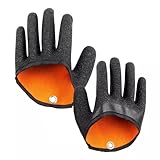
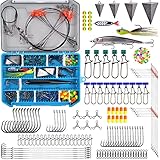
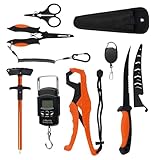

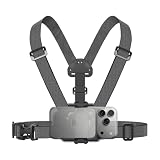


Mounts make the shots
Half of good fishing content is angle variety: a chest mount for the reel-in POV, a clamp on the rod for the strike, a small tripod or grip for pieces to camera. A handful of $10–25 mounts unlocks more than a camera upgrade.
Wind is the enemy of audio
Outdoor audio fails because of wind noise, not distance. A furry “deadcat” windscreen over your microphone is the single most important accessory you can carry. For talking segments, a wireless lavalier with a foam-and-fur cover clipped under a collar captures your voice while shielding it from gusts. Record a safety track on the camera too so you always have backup audio.
| Gear | Budget range | Why it survives outdoors |
|---|---|---|
| Action camera | $150–400 | Waterproof, stabilized, wide |
| Wireless lav + deadcat | $60–250 | Clean voice, wind rejection |
| Mounts & clamps | $10–25 each | POV and rod angles |
| Power bank (10,000–20,000mAh) | $25–60 | All-day recording |
| Dry bag / hard case | $15–50 | Protects from water |
Power and storage for a full day
Action cameras drain fast — often 60–90 minutes per battery at 4K. Carry two or three spare batteries plus a 10,000–20,000mAh power bank, and bring more memory than you think: 4K footage eats roughly 6–10GB per 10 minutes depending on frame rate. High-endurance microSD cards rated for video (V30 or better) resist the heat and vibration of outdoor use.
Protect everything from water
Even “waterproof” cameras have limits, and your batteries, cards, and phone do not enjoy a splash. A cheap dry bag or a padded hard case keeps the kit alive when the weather or the boat turns on you.
Handling glare and changing light
Water throws harsh, shifting light that fools cameras into blown-out highlights and muddy shadows. A circular polarizing filter cuts surface glare so you can actually see fish and keep the sky from washing out — one of the cheapest, highest-impact accessories for on-water shooting. Set your action camera to a flat or natural color profile so you retain detail to grade later, and avoid shooting straight into the sun during midday. Early morning and late afternoon light is not just prettier; it is far kinder to a small sensor. A lens cloth to wipe spray between shots keeps every clip usable rather than smeared.
FAQ
Do I need a gimbal for fishing vlogs?
Usually not. Action cameras have strong built-in stabilization that handles boat movement and walking well, and a gimbal is one more thing to keep dry and charged. Consider a compact gimbal only if you shoot a lot of smooth walking narration with a phone or mirrorless.
How do I stop wind ruining my audio?
Always use a furry windscreen over any exposed microphone, position the mic away from the wind direction when you can, and record a backup track. In editing, a high-pass filter around 80–120Hz removes the low rumble wind leaves behind.
Bottom line
Build around a rugged action camera, a wind-shielded wireless lav, a fistful of mounts, and enough power and storage to outlast the day. Durability and clean audio in wind matter more than resolution out here. Get those right and you will capture the strike, the fight, and the reaction — which is the whole point of a fishing vlog.


