
Converting a standard 10×12-foot bedroom into a content creation hub or music room is one of the most rewarding home projects you can undertake. However, average residential spaces present severe acoustic challenges. Hardwood floors, uncovered windows, drywall, and flat 8-foot ceilings create immediate echo and flutter reflections. When deciding on the right audio capture tool, understanding the debate surrounding a dynamic vs condenser microphone for untreated bedroom studio setups is critical to avoiding muddy, noisy recordings.
Most home creators start with a modest desk, a laptop, and an eagerness to record podcasts, vocals, or voiceovers. The reality of a residential bedroom is that it is rarely acoustically treated. Air conditioning units hum, street traffic leaks through double-pane glass, and your voice bounces off bare walls back into the capsule. Choosing between a dynamic microphone and a condenser microphone isn’t just an audio engineering decision—it dictates how you interact with your physical living space and desktop layout.
As an Amazon Associate we earn from qualifying purchases at no extra cost to you.


Top 3 picks at a glance
Quick Verdict
For most untreated bedroom spaces, a dynamic microphone is the superior choice. Dynamic microphones utilize a heavier moving-coil mechanism and lower output sensitivity, requiring you to speak closer to the capsule (typically 1 to 3 inches away). This proximity, combined with tight cardioid polar patterns, naturally rejects room echo, fan noise, and neighborhood activity without requiring you to glue acoustic foam panels across your bedroom walls.
A condenser microphone, on the other hand, excels at capturing fine detail, high-frequency air, and subtle vocal nuances due to its lightweight charged diaphragm. However, in an untreated room, that extreme sensitivity acts as a double-edged sword: it records your voice alongside every slap-back echo, squeaky floorboard, and laptop fan pulse. Unless you are willing to hang heavy moving blankets or construct temporary acoustic baffles around your desk, a dynamic mic provides a far cleaner sound straight out of the box.
Side by Side
| Feature / Metric | Dynamic Microphone | Condenser Microphone |
|---|---|---|
| Usability & Proximity | Requires close placement (1–3 inches from mouth) | Allows comfortable distance (6–12 inches away) |
| Durability & Build | Extremely rugged; withstands accidental drops and bumps | Delicate internal capsule; sensitive to physical shock |
| Typical Price Range | $70 – $400 | $50 – $350 |
| Room Noise Rejection | Exceptional rejection of HVAC, street noise, and reflections | Picks up ambient room tone and flutter echo easily |
| Power Requirements | Passive (No 48V phantom power needed for most models) | Requires +48V phantom power or USB bus power |
| Desk Space Needed | Requires heavy-duty boom arm due to capsule weight (1.5–2.5 lbs) | Lightweight (0.8–1.2 lbs); works easily on slim desktop stands |
| Visual Aesthetic | Broadcaster look; prominent on camera | Sleek, classic studio look; easier to position off-camera |
| Resale Value | High retention; industry standards hold value for years | Moderate retention; budget USB models depreciate quickly |
| Best Suitable Use | Podcasts, voiceover, stream setups in echoey bedrooms | Acoustic instruments, quiet vocalists in soft-furnished rooms |
Where Dynamic Wins
When analyzing a dynamic vs condenser microphone for untreated bedroom studio environments, the dynamic mic’s greatest asset is its mechanical design. Because a dynamic capsule relies on a physical coil attached to a heavy diaphragm, it takes significant acoustic energy to move it. This inherent low sensitivity is a blessing in disguise for residential bedrooms.
- Background Noise Suppression: If your desk sits near a window facing a street or under a ceiling fan, a dynamic mic ignores low-frequency rumbles that would normally ruin a recording session.
- Minimal Room Interaction: By positioning the mic capsule just 2 inches from your lips, your direct voice is drastically louder than the reflections bouncing off your bedroom drywall. The physical acoustic ratio stays heavily in your favor.
- Physical Resilience: Dynamic microphones are built like tanks. If you bump your desk or knock the mic off a boom arm onto a carpeted floor, dynamic capsules rarely sustain functional damage.
- No Need for Room Alterations: You do not need to alter your bedroom aesthetics with permanent wall adhesives or bulky acoustic panels to achieve broadcast-quality spoken word.
Where Condenser Microphone for Untreated Bedroom Studio Wins
Despite the acoustic challenges, condenser microphones remain standard in professional recording studios for good reason. They capture a wide frequency response (often 20Hz to 20kHz) with incredible transient speed, making vocal performances sound open, detailed, and present.
For creators willing to make minor adjustments to their space—like drawing thick blackout curtains, placing a plush rug beneath the desk, or using soft furnishings—a condenser microphone offers distinct advantages:
- Intricate Detail & Air: Condensers capture subtle vocal inflections and upper-frequency brightness that dynamic mics can blur. This makes them exceptional for singing or nuanced voice acting.
- Flexible Distance: You do not need to keep your lips glued to the mic grille. Sitting 8 to 10 inches back feels more natural during long streaming or recording sessions.
- Budget Starter Kits: All-in-one USB condenser bundles provide fantastic value for plug-and-play setups. For example, the FIFINE T669 Studio Condenser USB Microphone for Recording Podcasting ($49.99) offers budget-conscious creators an accessible entry point with an included boom arm and shock mount.
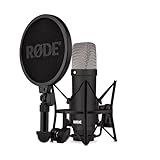
- Ultra-Low Self-Noise: Premium condenser units deliver pristine audio with almost zero electronic hiss. The RØDE NT1 Signature Series Studio Condenser Microphone, Black ($135) features an remarkably low self-noise rating of just 4 dBA, ensuring your signal chain remains quiet even when boosting digital gain.
Cost Over 5 Years
When planning a home workspace budget, look beyond the standalone microphone price tag. Audio chains often require supporting hardware depending on the capsule type you select.
A quality dynamic microphone setup generally costs between $200 and $550 total over five years. While the microphone itself may cost $100 to $350, low-output dynamic models (like gain-hungry broadcast mics) often require an audio interface with strong preamps ($120–$180) or an inline signal booster ($50–$100) to reach clean recording levels without hiss.
A condenser setup ranges from $100 to $450 total over five years. Entry USB condensers require no additional hardware, while XLR condensers require a standard audio interface capable of supplying +48V phantom power. However, to get clean audio from a condenser in an untreated space, you may need to invest $50 to $150 in temporary room dampening, such as heavy velvet drapes, a dense floor rug, or a portable reflection filter.
Looking ahead at home studio trends for 2026, long-term durability heavily favors dynamic microphones. Their simple mechanical construction means they rarely suffer capsule failure, preserving their utility and resale value for a decade or more.
Which One for Your Home
Your physical living arrangement plays as big a role in microphone selection as your budget or audio preferences. Here is how to choose based on your specific bedroom layout and living situation.
Small Apartment
In a tight apartment bedroom, noise leaks from everywhere: shared walls, hallway foot traffic, and outdoor street noise. A dynamic microphone is almost mandatory here. Its high off-axis rejection ensures that sounds coming from the sides and rear of the capsule are naturally rejected, letting you record comfortably even if your apartment building is bustling.
Family with Kids or Pets
If your home studio doubles as a guest room or sits across from a playroom, unpredictable sounds—barking dogs, running kids, kitchen activity—are constant variables. A dynamic mic set to a tight gain stage allows you to isolate your voice effectively while filtering out living room ambient noise.
Rental Unit
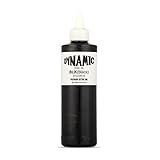
Renters face strict limits on wall modifications, meaning you cannot glue foam panels or mount heavy wooden acoustic diffusers. When personalizing a creative rental workstation—whether painting custom accent pieces with deep dark tones like Dynamic Color Black Tattoo Ink, Made in USA Since 1990, 8 oz ($23.95) or touching up desktop accessories using Dynamic Color Co Triple Black Ink Bottle 8oz ($27.50)—keeping the walls untouched is priority number one. A dynamic microphone allows you to leave your rental walls bare without suffering from severe echo in your recordings.
Long-Term Home Studio
If you own your home and plan to gradually convert your bedroom into a dedicated, treated studio space over time, a high-quality studio condenser is a fantastic investment. As you incrementally add acoustic absorption panels, bass traps, and thick carpets, the room’s flutter echo vanishes, allowing a condenser mic to truly shine with shimmering detail and breathy realism.
FAQ
Can I use a condenser microphone in a room with no acoustic treatment?
Yes, but you will need to mitigate room echo digitally or physically. You can reduce reflections by speaking close to the mic, turning down the gain, sitting near a full closet of clothes, or using real-time noise-suppression software. However, a dynamic mic remains much easier to manage in untreated spaces.
Do dynamic microphones require phantom power or expensive preamps?
Most passive dynamic microphones do not require +48V phantom power. However, because dynamic diaphragms are heavy, some models require significant gain (+55dB to +60dB). If your audio interface has weak preamps, you may need an inline signal booster to raise the volume without adding noise.
Is a USB microphone better than an XLR microphone for a bedroom desk?
USB microphones offer unmatched convenience, affordability, and simplicity for desktop setups because they build the interface directly into the microphone body. XLR microphones, while requiring an external interface, offer far better upgrade paths, modular repairs, and long-term signal quality.
How close should I sit to a dynamic versus a condenser microphone?
You should generally position your mouth 1 to 3 inches away from a dynamic microphone to maximize signal strength over ambient room sound. For a condenser microphone, a distance of 6 to 10 inches is typical, provided your room isn’t overly reflective.


