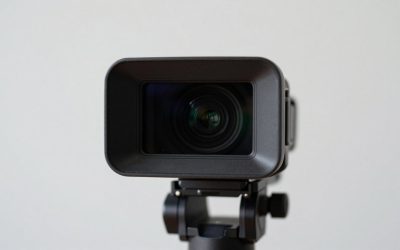
For YouTube Gaming, your facecam is a small box in the corner, but viewers notice when it’s blurry, laggy, or blown out. You don’t need cinema quality. You need clean 1080p, accurate skin tones under LED lighting, and autofocus that doesn’t hunt every time you lean forward in your chair.
Most gaming YouTubers are better off with a simple plug-and-play webcam plus decent lighting than with an expensive camera they have to manage. The exceptions are VTubers who need perfect background removal, and creators who also shoot sit-down videos and want shallow depth of field.
As an Amazon Associate we earn from qualifying purchases at no extra cost to you.
Our Top Picks
 Logitech C920x HD Pro PC Webcam Full 1080p/30fps1 Pack2.8 x 1.7 x 3.7 inches0.4 poundsCheck on Amazon
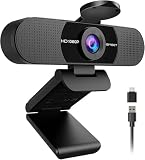
 NBPOWER 1080P 60FPS Streaming Camera Webcam with Microphone3.34 x 1.77 x 1.96 inches0.5 PoundsCheck on Amazon
What YouTube Gaming actually needs
YouTube compresses your stream and your VOD. Even if you upload in 1440p or 4K, that tiny 320-pixel facecam window will not show fine detail. What survives compression is contrast, color, and motion smoothness. That’s why frame rate and exposure control matter more than raw resolution.
Prioritize 1080p at 60fps over 4K at 30fps if you play fast games and move a lot. At 30fps, hand gestures and head turns smear. At 60fps, you look present and in sync with gameplay. Also look for manual exposure and white balance in the software. Auto-exposure will pump up and down when your game scene flashes from dark to bright, which is distracting.
Autofocus is the most common failure mode I see. Cheap webcams constantly refocus on your headset mic, your chair, or your background poster. A webcam with fast, sticky face autofocus, or the option to lock focus, will save you more reshoots than an extra few megapixels.
The main options compared
There are really four paths for YouTube Gaming: a workhorse 1080p60 webcam, a higher-end 4K webcam, a mirrorless camera used as a webcam, or an action camera. Here’s how they shake out for gaming specifically:
| Setup type | Best for | Strengths | Trade-offs |
|---|---|---|---|
| 1080p 60fps webcam | Most gaming channels | Plug-and-play, good autofocus, low CPU load | Flat look, struggles in dim rooms |
| 4K webcam | Talking-head + gameplay mix | Sharper crop/zoom, better sensors | Needs good USB bandwidth, often runs hot |
| Mirrorless / DSLR as webcam | Face-focused creators | Depth of field, low-light, color | Needs capture card, dummy battery, babysitting |
| Action camera as webcam | Wide desk setups | Wide field of view, good stabilization | Overheats on long streams, audio is poor |
Best for most: 1080p 60fps webcam
If you stream 2-4 hour sessions and just want it to work, get a proven 1080p 60fps webcam. Image is clean enough for a corner window, latency is low, and OBS sees it instantly without a capture card.
Who it suits: let’s plays, esports commentary, co-op videos where reliability matters more than bokeh. It’s also the best choice if your PC is mid-range, because you avoid the extra encoding and conversion load of 4K or HDMI capture.
Trade-offs: the look is flat. Small sensors mean everything is in focus, so a messy room stays visible. Low-light performance is mediocre. In a dark room with just a monitor lighting you, expect noise and waxy skin. That’s not fixed by buying a pricier webcam — it’s fixed with a $30 key light.
Failure mode to watch: USB power and cable length. Run these through a cheap unpowered hub with a 10-foot extension and you’ll get freezes, dropped frames, or the camera disappearing mid-stream. Plug directly into the PC, preferably USB 3.0, and keep the cable under 6 feet if you can.
When a 4K webcam makes sense
A 4K webcam for YouTube streaming isn’t about delivering 4K to viewers. It’s about flexibility. You can shoot wide and crop to a tighter head-and-shoulders shot without it turning to mush, and newer sensors handle mixed RGB lighting better.
Who it suits: creators who do intros, reactions, and face-heavy edits where the facecam sometimes goes full-screen. Also useful if you can’t place the camera close to you and need digital zoom.
Be honest about the cost: you will run it at 1080p most of the time anyway for 60fps and stability. 4K30 looks juddery next to 60fps gameplay. These cameras also run warmer and some will throttle or soften focus after an hour. If you mainly stay in a small corner box, save the money and spend it on lighting or a better mic.
The real upgrade: mirrorless camera + light
If your face is half the video — horror reactions, Just Chatting segments, sponsor reads — nothing beats a large-sensor camera. Skin looks natural, backgrounds blur out, and low light is clean. You don’t need new for this; a used mirrorless body with clean HDMI out and a cheap 35mm or 50mm f/1.8 lens is the classic creator combo.
But count the hidden pieces: capture card or Cam Link-type HDMI adapter, dummy battery or continuous USB power, tripod or desk mount, and a lens. You also have to manage overheating limits, autofocus modes, and batteries dying at hour three. I have seen more streams killed by a mirrorless camera shutting off than by any webcam.
Who it suits: established channels where on-camera quality is part of the brand, and you already light your scene. Who should skip it: anyone with a single PC doing heavy gaming + encoding, or anyone who wants to start streaming in five minutes. A webcam that is on every time beats a cinema rig you dread setting up.
What to skip and what actually matters
Skip gimmicks like auto-framing that follows you around, gesture controls, and built-in ring lights. Auto-framing crops and hunts during gameplay. Built-in lights create harsh hotspots on glasses and foreheads.
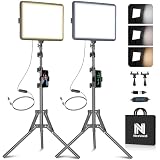
What actually moves the needle: placement and light. Put the webcam at eye level, about arm’s length away, with a soft key light in front of you, not behind you. Turn off overhead cool-white LEDs if they turn your face green. In software, lock exposure, set white balance to your light (usually 5600K for daylight LEDs), and lock focus once you’re seated. Use background blur sparingly — it flickers around headsets and chairs.
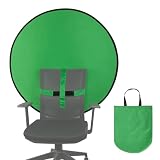
If you wear glasses, angle your key light up and to the side and lower your monitor brightness. That kills 90% of glare without buying anything. If you use a green screen, a 4K sensor helps with cleaner edges, but even lighting on the screen matters more than resolution.
Pick by your situation
Tight budget or first channel: a basic 1080p webcam plus a desk-mounted key light will outperform any expensive webcam in a dark room. The cheaper option is genuinely fine here because YouTube compression erases most of the difference.
Growing channel doingStream + edited videos: step up to a better sensor and 60fps, and add a cheap capture card setup for a mirrorless camera only if you will use it weekly for sit-down content too.
Long streams and reliability first: stay USB, stay 1080p60, plug direct, and test for two hours before you go live. Complexity is the enemy on YouTube Gaming — every extra box is something that can fail while chat watches.
FAQ
Do I need 4K for YouTube Gaming?
No. For a corner facecam, 1080p60 looks smoother and more reliable. Only get 4K if you crop in a lot or go full-screen often, and plan to run it at 1080p anyway for stability.
Why does my webcam look grainy even though it’s 1080p?
Usually low light. Your camera raises gain to compensate, which creates noise. Add a soft light in front of you, lock exposure, and lower background brightness. That fixes most grain.
Will a DSLR or mirrorless camera make my streams better?
For image quality, yes, especially skin tone and background blur. For reliability, no. You need continuous power, HDMI capture, and overheating management. Test a full-length stream before you commit.
What frame rate should I use for facecam?
Match your content. For fast shooters, sports games, or expressive reactions, 60fps looks noticeably better. For slow strategy or commentary, 30fps is fine and uses less USB and CPU bandwidth.