
Setting up a highly functional home office or video streaming studio requires balancing aesthetics, ergonomics, and technology. For those who work from home or create content, lighting is the single most important factor in looking professional on camera. However, if you wear glasses, you face a unique and incredibly frustrating challenge: reflection glare. The wrong light source can turn your lenses into two glowing, opaque mirrors, completely hiding your eyes and distracting your audience.
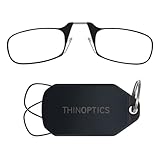
Whether you wear everyday prescription lenses, ultra-portable readers like the Always With You by ThinOptics Keychain Reading Glasses, or specialized screen-time eyewear like COVESATO Folding Reading Glasses, finding a light setup that illuminates your face without reflecting off your lenses is a delicate science. The choice usually boils down to two main options: a circular ring light or a dedicated panel key light. While both claim to offer pristine illumination, they interact with eyewear in fundamentally different ways. This guide will break down the physics, spatial requirements, and practical realities of ring lights versus key lights so you can make the perfect choice for your home.
As an Amazon Associate we earn from qualifying purchases at no extra cost to you.



Top 3 picks at a glance
Quick Verdict
If you wear glasses and want a professional, glare-free appearance, a key light is the superior choice. By placing a key light off-camera at a 45-degree angle, you utilize basic physics to bounce reflections away from your camera lens. Ring lights, which are designed to sit directly behind your camera, are notorious for creating bright, circular halos right in the center of your glasses. While ring lights are highly affordable and excellent for quick setups, they require awkward, high-angle positioning to mitigate glare, making them far less practical for daily home office use than a dedicated key light panel.
Side by Side
To help you understand how these two lighting styles compare in a home environment, we have analyzed their key characteristics across several practical categories, ranging from daily comfort to spatial footprint.
| Category | Ring Light | Key Light (LED Panel) |
|---|---|---|
| Comfort (Eye Strain) | Medium-Low; direct, forward-facing light can cause squinting and visual fatigue over long hours. | High; diffused, off-axis light is much gentler on the eyes during extended workdays. |
| Durability | Medium; often constructed with lightweight plastics and budget-friendly tripods. | High; typically features metal casings, solid desk clamps, and heavy-duty mounts. |
| Price Range | $25 to $60 (Highly budget-friendly) | $80 to $250+ (Premium investment) |
| Maintenance | Medium; floor tripods can be easily bumped, requiring frequent recalibration. | Low; secure desk clamps keep the light locked in its perfect position permanently. |
| Space Needed | High floor footprint; requires space for wide-spreading tripod legs. | Minimal desk footprint; typically mounts directly to the back of your desk. |
| Aesthetic Look | Casual and utilitarian; can look cluttered in a clean home office. | Sleek and professional; blends seamlessly into modern home decor. |
| Resale Value | Low; highly saturated market with rapid depreciation. | Moderate to High; sought after by professional remote workers and creators. |
| Best For | Occasional users, budget setups, and those who do not wear glasses full-time. | Daily remote workers, professional presenters, and dedicated glasses wearers. |
Where Ring Light Wins
Ring lights have dominated the consumer market for years, and for good reason. Their primary advantage is simplicity and affordability. Because they are designed as a single, circular light source that wraps around your camera lens, they provide incredibly even, shadow-free illumination. This “halo” effect fills in shadows under the eyes and nose, which is why they are highly favored for makeup application and quick selfie videos.
For those on a budget, options like the UBeesize 12″ LED Ring Light with 62″ Tripod Stand, Phone Holder & Remote offer an incredibly low barrier to entry, providing a complete lighting kit for under $35. Furthermore, models such as the Weilisi 10″ Ring Light with Stand 72” Tall & Phone Holder, 38 Color Modes Selfie Light with Tripod Stand, Stepless Dimmable/Speed LED Ring Light for iPhone & Android, YouTube, Makeup, TIK Tok show how versatile these units can be, offering dozens of color modes and highly adjustable heights for casual content creation.
If you only wear your glasses occasionally—perhaps just popping on your folding readers for a quick document reference—a ring light can still work. By raising the ring light well above your head on a tall stand and tilting it downward at a steep angle, you can push the circular reflection to the very top edge of your lenses, keeping your eyes relatively clear. For temporary setups, quick storage, and casual video calls, the ring light remains an incredibly convenient, plug-and-play solution.
Where Key Light for Glasses Wearers Wins
For anyone who wears glasses for the duration of a video call, the key light is the undisputed champion. To understand why, you have to look at the physics of light reflection. Light bounces off a flat surface (like your glasses lenses) at the exact same angle it hits it. This is known as the “angle of incidence equals the angle of reflection.”
Because a ring light is meant to be placed directly in front of you, the light hits your glasses dead-on and bounces straight back into the camera lens. A key light, however, is a flat, directional LED panel designed to be placed at a 45-degree angle to your left or right, and slightly above your forehead. When the light hits your glasses from this side angle, it bounces off to the opposite side of the room, completely missing your camera lens. The result? Crisp, clear, glare-free eyes on screen.
Additionally, key lights offer far superior diffusion. Instead of a narrow, concentrated ring of LEDs, a key light utilizes a large, frosted panel (often 10×10 inches or larger) that spreads the light evenly. This creates soft shadows, defines your jawline, and mimics natural window light. This level of diffusion is also much easier on the eyes, reducing the dry eye and visual fatigue associated with staring directly into a concentrated ring of light for hours at a time.
Cost Over 5 Years
When planning a home office setup in 2026, it is wise to look at the total cost of ownership over a five-year period. While a budget ring light seems like the most economical choice upfront, durability and build quality play major roles in long-term value.
A standard consumer-grade ring light setup usually costs between $30 and $50. However, these units are often built with thin plastic housings, lightweight aluminum tripods, and integrated USB cables that are prone to fraying. Over five years of daily use, adjusting the plastic joints and moving the tripod can lead to stripped threads or broken mounts. It is highly likely you will need to replace a budget ring light at least once or twice over a five-year span, bringing your total investment to roughly $90 to $150.
A professional-grade key light panel, by contrast, requires a higher initial investment of $100 to $200. However, these units are built to last. They feature solid aluminum chassis, heavy-duty desk clamps, and thick, detachable power cables. They also utilize premium LEDs that do not degrade in brightness over time. A single key light will easily survive five years of daily home office use without requiring replacement parts, making its true five-year cost equal to its initial purchase price of $150. For a reliable, frustration-free work environment, investing in a key light upfront pays massive dividends in both durability and professional presentation.
Which One for Your Home
Every home layout presents unique physical constraints. Here is how to choose the right lighting setup based on your specific living situation.
Small Apartment
In a tight studio apartment or a shared bedroom office, floor space is precious. A ring light on a 62-inch or 72-inch tripod requires a wide, three-legged footprint on the floor, creating a major tripping hazard and cluttering your room. A desk-mounted key light is the perfect solution here. By clamping directly to the back edge of your desk, it takes up zero floor space and keeps your workspace clean, open, and organized.
Family with Kids or Pets
If you have young children or pets running around, stability is your top priority. Lightweight tripods holding ring lights are top-heavy and incredibly easy to knock over, risking damage to the light or injury to a pet. A key light securely clamped to a heavy wooden desk is virtually immovable, making it the safest option for active, busy households.
Rental Home
Renters need setups that are highly portable and leave absolutely no trace. Both options shine here, but the desk-clamp key light has a slight edge. It leaves no marks on your walls, requires no drilling, and can be disassembled in seconds when it is time to pack up and move. There are no sprawling tripod legs to scrape your baseboards or dent your hardwood floors.
Long-Term Home
If you own your home and have a dedicated office space, you have the freedom to build a premium, permanent setup. In this scenario, a high-quality key light (or even a dual-light setup with a key light and a fill light) is the ultimate choice. You can route the cables cleanly behind your desk, set the perfect 45-degree angles, and enjoy a flawless, professional broadcast studio appearance for years to come.
FAQ
Why do ring lights make my glasses glare so badly?
Ring lights are designed to be positioned directly behind your camera lens to provide direct, front-facing illumination. Because the light source is in a direct line of sight with your glasses, the circular light reflects off the curved glass of your lenses and bounces straight back into the camera, creating a distracting white ring over your eyes.
Can I use a ring light as a key light if I place it to the side?
Yes, you can. If you already own a ring light, you can place it 45 degrees to your side and raise it high to mimic a key light. However, because ring lights have less surface area and less diffusion than a flat panel key light, the light may feel harsher and cast more distinct shadows on one side of your face.
Do blue-light blocking glasses prevent glare from video lights?
No. Blue-light blocking glasses are designed to filter out specific high-energy visible (HEV) blue wavelengths emitted by digital screens. They do not prevent the physical reflection of external light sources on the surface of your lenses. To minimize that reflection, you need physical anti-reflective (AR) lens coatings and proper off-axis light placement.
What is the absolute best angle to position my key light?
For the best glare-free results, place your key light approximately 45 degrees to the left or right of your computer camera, raised so the bottom of the light panel is slightly above your forehead level, and tilted downward at a 45-degree angle. This forces any reflection to bounce downward and away from the camera lens.


