
ASMR is one of the most demanding audio genres because the entire point is capturing tiny, delicate sounds with realistic spatial detail. Whispers, tapping, and brushing need a microphone setup that is sensitive, low-noise, and ideally capable of stereo or binaural imaging so listeners feel like the sound is happening around them. This guide covers the mic types that work, why the noise floor is critical, and how to set up for immersive results at home.
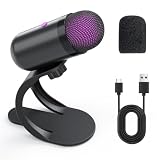
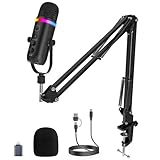
Top 3 picks at a glance
Sensitivity and a low noise floor come first
ASMR sounds are quiet, so the microphone must capture subtle detail without adding hiss. That means you want a sensitive condenser microphone with a low self-noise specification, ideally under 15 dBA. A noisy mic forces you to boost the signal in editing, which also boosts the hiss and ruins the delicate atmosphere. Combine a low-self-noise mic with a quiet, treated room and you have the foundation.
As an Amazon Associate we earn from qualifying purchases at no extra cost to you.




Mono, stereo, or binaural?
ASMR benefits enormously from stereo imaging because triggers that move from ear to ear are a core part of the experience. You can achieve this with a stereo pair of microphones, a single stereo condenser, or a dedicated binaural setup that mimics the human head so playback through headphones feels three-dimensional.
| Setup | Imaging | Approx. cost | Best for |
|---|---|---|---|
| Single large-diaphragm condenser | Mono | $70–200 | Whisper/voice ASMR |
| Stereo condenser (XY) | Stereo | $150–350 | Tapping, movement |
| Matched small-diaphragm pair | Stereo | $200–500 | Detailed triggers |
| Binaural head/ear mics | 3D binaural | $150–500 | Immersive headphone ASMR |
Room treatment is non-negotiable
Because you are recording at high sensitivity, any room reflection or outside noise becomes glaringly obvious. Record in a quiet room, ideally at night, with soft furnishings to absorb reflections. Turn off fans, air conditioning, and anything with a hum. A refrigerator two rooms away can show up in an ASMR recording that would never register in normal speech.
Handling levels and plosives
Set gain carefully; ASMR has a huge dynamic range between a whisper and a sudden tap, so leave generous headroom and target peaks around -12 dBFS to avoid clipping on louder triggers. Use a pop filter for mouth sounds and whispering, and consider foam windscreens if you do close-up breathing. Record at 48 kHz/24-bit for editing flexibility.
Playback context and monitoring
Your listeners almost certainly use headphones, so monitor with headphones while recording to hear exactly what they will hear. This is especially important for stereo and binaural work, where imaging problems are invisible on speakers but obvious on headphones. Check that left-right movement translates correctly and that both channels are balanced.
FAQ
Do I need a binaural microphone for ASMR?
Not necessarily, but it helps for immersive headphone content. A good stereo condenser pair delivers convincing left-right imaging at lower cost. A dedicated binaural setup goes further by replicating how human ears hear, which many ASMR listeners specifically seek out.
Why is my ASMR recording so hissy?
Usually the microphone has high self-noise, or you are boosting a weak signal in editing. Choose a condenser with self-noise under 15 dBA, get the mic closer to quiet triggers, and treat the room so you do not have to amplify as aggressively afterward.
Positioning triggers for immersion
With a sensitive stereo or binaural rig, where you place a trigger matters as much as the trigger itself. Move sounds deliberately from one side to the other so the stereo field does the immersive work, and keep gentle triggers close to the capsules where the microphone’s detail shines. Watch your distance on louder triggers like tapping, which can spike far above whispers and clip if you are too close; a little extra distance preserves headroom. Because ASMR listeners wear headphones, monitor on headphones throughout and periodically check that left and right are not reversed, an easy mistake that ruins the effect. Small, slow, consistent movements record better than energetic ones, since the whole appeal is intimacy and control rather than volume or speed.
Bottom line
For ASMR, prioritize a sensitive, low-self-noise condenser, add stereo or binaural imaging for immersion, and record in the quietest, most treated space you can manage. Monitor on headphones, leave headroom for loud triggers, and capture at 48 kHz/24-bit. The mic matters here, but silence in the room matters just as much.


