
Streamers sit for hours, sometimes six or eight in a single session, and that takes a toll. A sit-stand desk promises to break up the marathon by letting you stand for part of the stream. But standing desks are pricey and add complications for a camera-based setup. Here is an honest look at whether one is worth it for a streaming room.
As an Amazon Associate we earn from qualifying purchases at no extra cost to you.


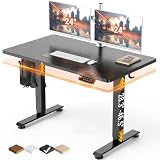

Top 3 picks at a glance
The health case is real but conditional
Alternating between sitting and standing reduces the continuous static load on your lower back and encourages movement, which many streamers with back pain find helpful. The key word is alternating; standing all stream is not the goal and can cause its own foot and leg fatigue. The benefit comes from switching positions every 30–60 minutes.
It only helps if you actually use it
A common trap is buying a standing desk and never raising it because adjusting the camera and lights each time is a hassle. If your setup makes standing inconvenient, the desk becomes an expensive fixed-height table. The value depends entirely on whether your gear supports easy transitions.
| Factor | Fixed desk | Sit-stand desk |
|---|---|---|
| Typical price | $100–250 | $300–700 |
| Position changes | None | Sit and stand |
| Camera reframe needed | No | Yes, each change |
| Cable management | Simple | Needs slack + tray |
| Back-pain relief | Limited | Better if used |
The camera and lighting complication
When your desk rises, your face moves up 30–40cm, but your camera and key light do not. Unless your camera is mounted to the desk itself, you will be out of frame every time you stand. Solutions include mounting the camera and a key light on the desk so they rise with you, or using a wider shot that tolerates the height change.
Cable management gets harder
A moving desk needs enough cable slack to travel its full range without yanking anything loose. Plan a cable tray and leave generous slack loops, or a raise mid-stream can unplug your interface or capture card. This is solvable but requires setup effort most fixed desks never demand.
Cheaper ways to get the benefit
If back pain is the goal, a quality chair with lumbar support, a footrest, and disciplined stretch breaks every hour deliver much of the benefit for less money. A standing desk is a premium convenience, not the only path to comfort. Try scheduled breaks first; if you still want to stand, then invest.
Make transitions painless or you will not stand
The single biggest predictor of whether a standing desk gets used is how easy it is to switch. Mount your camera and one key light to the desk surface so they rise with you and your framing stays put. Save two height presets, one seated and one standing, so a single button press moves you cleanly. If standing requires re-aiming your camera and lights by hand each time, you simply will not do it, and the desk becomes an expensive novelty.
Anti-fatigue matters when standing
Standing on a hard floor for long stretches is its own strain, so add a cushioned anti-fatigue mat where you stand. Combined with sensible footwear and alternating every 30 to 60 minutes, this keeps standing comfortable rather than punishing. The goal is variety of posture, not heroic all-day standing, and small comfort additions make the healthy habit actually stick.
FAQ
Will a standing desk fit my heavy setup?
Check the desk’s weight rating against the total load of your monitors, PC, and gear. Dual monitors, a PC on the desk, and accessories can exceed 40kg, so choose a frame rated well above that, ideally with dual motors for smooth, stable lifting under load.
Should I stand for my whole stream?
No. Standing for hours causes leg and foot fatigue and is not healthier than sitting all day. The benefit is variety: alternate roughly every 30–60 minutes so neither position becomes a static strain.
Bottom line
A standing desk is worth it if you have back issues, will genuinely alternate positions, and are willing to mount your camera and lights so standing does not break your shot. If you rarely change position or your setup makes transitions painful, spend the money on a great chair and disciplined breaks instead. The desk only pays off when your whole setup supports easy switching.


