
Building a streaming setup adds up fast, and the used market can cut costs dramatically, often 30-60% off retail. But some gear is a safe secondhand buy while other items are a gamble. This guide breaks down which categories to buy used with confidence, which to buy new, and exactly what to inspect before you hand over money.
As an Amazon Associate we earn from qualifying purchases at no extra cost to you.
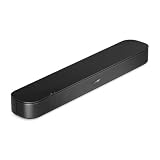



Top 3 picks at a glance
Gear that is safe to buy used
Passive and simple mechanical items age gracefully. Boom arms, mic stands, shock mounts, acoustic panels, desks, and dynamic microphones have little to go wrong. A dynamic mic in particular has no delicate electronics and can be decades old and still sound perfect. XLR cables are cheap enough that a used bundle is fine if you test continuity.
Gear to buy used with caution
Cameras, lenses, capture cards, and audio interfaces are usually fine used but need testing. Check a lens for fungus and scratches, a camera for shutter count, and a capture card by actually running it. Condenser mics can be damaged by rough handling, so listen before you buy.
Gear better bought new
| Category | Used? | Why |
|---|---|---|
| Dynamic microphones | Great used | Nearly indestructible |
| Boom arms / stands | Great used | Purely mechanical |
| Cameras / lenses | OK, test first | Check shutter, glass |
| Capture cards | OK, test first | Confirm it captures |
| Batteries / power supplies | Buy new | Degrade, safety risk |
| SD cards / SSDs | Buy new | Wear + fakes common |
| Foam ear pads / windscreens | Buy new | Hygiene, they crumble |
A pre-purchase checklist
Whatever the item, run through the basics. Ask for real photos of the actual unit, not stock images. Test every port and function in person or over a video call. For anything with a battery, expect reduced capacity and factor a replacement into the price. Confirm the model number matches the listing to avoid counterfeits, which are rampant for SD cards and popular microphones. Finally, favor sellers who accept returns or meet in person.
Where warranty fits in
New gear carries a manufacturer warranty; most used gear does not. For an inexpensive dynamic mic that hardly matters, but for a $400 camera the lost warranty is part of the risk you are pricing in. If the used discount is small, say under 20%, the warranty and peace of mind of buying new often wins.
Where to buy and how to pay
Your buying channel shapes your risk as much as the item does. Manufacturer-refurbished stores and reputable used-gear retailers test units and offer limited warranties, making them the safest discount. Marketplace platforms with buyer protection sit in the middle: you can dispute a bad item, but you rely on photos and descriptions. Local in-person sales are cheapest and let you test everything, but offer no recourse afterward, so only pay once the gear works in front of you.
Pay with a method that protects you. Credit cards and buyer-protected payment services let you claw back money if an item never arrives or is grossly misdescribed; irreversible cash-app transfers to strangers do not. For local meetups, choose a public place, bring the right cable or adapter to test the item on the spot, and walk away if a seller resists a quick functional check. Keep the listing screenshot and any messages until you have confirmed the gear is good, since they support a dispute. A little process here turns the used market from a gamble into a reliable way to save 30-60% on gear that would otherwise stretch your budget.
Frequently asked questions
Is refurbished gear as good as new?
Manufacturer-refurbished gear is often an excellent middle ground: professionally tested, typically with a limited warranty, at 15-30% off new. It carries far less risk than a private used sale. Third-party “refurbished” with no warranty is closer to buying used, so check who did the refurbishing.
How do I spot a fake SD card or microphone?
For SD cards, run a capacity-test tool after purchase and buy only from reputable sellers, since fakes report false sizes. For microphones, compare logo fonts, serial numbers, and weight against official specs, and be suspicious of prices far below market. When in doubt, buy new for these two categories.
Bottom line
Buy passive and mechanical gear used to save serious money, test electronics before paying, and buy batteries, storage, and hygiene items new. Run the checklist, price in the missing warranty, and consider manufacturer-refurbished when you want a discount without the full risk of a private sale.


