
Ribbon microphones have a cult reputation for smooth, vintage-sounding vocals, and every so often a streamer wonders whether that warmth belongs on their desk. Ribbons are a third microphone family alongside dynamics and condensers, and they work very differently. A thin corrugated strip of aluminum foil (the “ribbon”) sits inside a magnetic field; sound moves the foil and generates a tiny signal. That design gives a silky top end and a natural roll-off that tames harsh sibilance — but it also brings quirks that matter for live streaming.
As an Amazon Associate we earn from qualifying purchases at no extra cost to you.
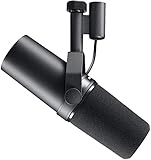


Top 3 picks at a glance
Why ribbons sound the way they do
The ribbon element is extremely light, so it responds gently and evenly, softening the 5–10 kHz range where cheap condensers get brittle. The result is a rounded, “expensive radio” tone. Ribbons are also natively figure-8 (bidirectional), meaning they pick up equally from front and back and reject sound from the sides. That side-rejection can be useful, but the rear lobe hears your room behind the mic too.
The two big catches for streamers
First, output is low. Classic passive ribbons produce a very quiet signal, often needing 60 dB or more of clean gain. A budget interface preamp will hiss badly trying to drive one, so you usually add an inline booster (a Cloudlifter-style device adds roughly +25 dB) or buy an active ribbon with built-in electronics. Second, ribbons are fragile: a strong gust, a dropped mic, or plugging in with phantom power still miswired can stretch or snap the foil. Passive ribbons do not want phantom power at all.
Ribbon vs the mics you already know
| Factor | Ribbon | Dynamic | Condenser |
|---|---|---|---|
| Tone | Smooth, vintage, dark | Punchy, focused | Bright, detailed |
| Output level | Very low (needs booster) | Low–moderate | High |
| Phantom power | Passive: no; active: yes | No | Yes (+48V) |
| Durability | Fragile | Very rugged | Moderate |
| Room forgiveness | Poor (figure-8 rear pickup) | Good | Poor |
| Price band | $120–600+ | $50–400 | $70–300 |
When a ribbon makes sense
Ribbons shine for creators who want a warm, mellow spoken-word tone in a treated space: narration channels, interview podcasts, and music streamers recording brass, guitar amps, or vocals where the softened top end flatters the source. If you have a Cloudlifter-style booster or an active ribbon, a quiet room, and you value tone over convenience, the payoff is a genuinely lovely voice.
When to skip it
For fast-paced gaming, an untreated bedroom, or anyone who bumps their desk, a ribbon is the wrong tool. The fragility, the extra gain hardware, and the figure-8 rear pickup all fight the reality of a live stream. A rugged dynamic mic gives 90% of the warmth with none of the babysitting, for less total spend.
How to protect and get the best from a ribbon
Ribbon fragility is manageable if you respect a few habits. Always store the mic vertically in its case so gravity does not stretch the foil over time, and never blast it with close, loud plosives or a fan. Fit a pop filter and keep the mic out of direct HVAC airflow. When connecting, plug the cable in with phantom power switched off, then enable +48V only if you own an active ribbon — never for a passive one.
Placement that flatters the vintage tone
Because ribbons are natively figure-8, the rear lobe hears whatever is behind the mic as loudly as your voice. Put something absorptive behind the ribbon — a panel, a thick curtain, even a duvet — so the room does not sneak in through the back. Work fairly close (15–25 cm) to use proximity warmth, and if the top end feels too dark, a gentle high-shelf lift around 8–10 kHz in your EQ restores air without losing the smoothness. Pair a passive ribbon with a clean inline booster and a low-noise preamp, and the signal that felt too quiet suddenly has plenty of headroom. Treat it as studio gear, not a knock-around gaming mic, and it will reward you for years.
FAQ
Will phantom power destroy a ribbon mic?
It can. Passive ribbons should never receive +48V through a miswired cable, and old designs could be damaged instantly. Active ribbons require phantom power to run their electronics. Always confirm which type you own before flipping the +48V switch.
Do I need a special preamp for a ribbon?
Effectively yes. Passive ribbons want 60 dB+ of clean gain, which most budget interfaces cannot deliver quietly. An inline booster (about +25 dB) or a high-gain preamp keeps the noise floor low.
Bottom line
A ribbon mic is a specialist, not an all-rounder. In a treated room with a gain booster and gentle handling, it rewards narration and music streams with a smooth vintage tone. For everyday gaming and untreated setups, its low output, figure-8 pattern, and fragility make a dynamic the smarter buy.


