
If you are starting or upgrading a stream, buy the microphone first. Viewers will watch a soft 1080p image for two hours, but they will leave a harsh, echoey, or clipping voice track in two minutes. That does not mean the camera does not matter, it just means you should split your budget with audio getting priority until both are good enough.
For most streamers in a bedroom or office, the practical combo is still a good 1080p webcam mounted at eye level plus a USB dynamic microphone on a boom arm. It is simple, it survives bad room lighting and noisy keyboards, and you can run it for years without touching settings.
As an Amazon Associate we earn from qualifying purchases at no extra cost to you.

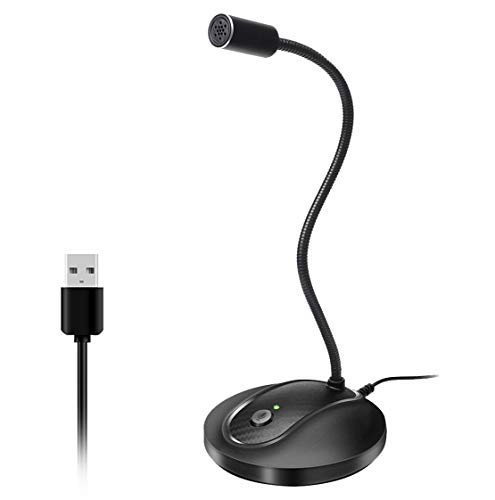

Top 3 picks at a glance
The short answer for most streamers
Get a USB dynamic microphone if you have keyboard noise, roommates, a fan, or an untreated room. Get a 1080p60 webcam if you mostly stream games, Just Chatting, or reactions in 1080p. Only move to a mirrorless camera and XLR microphone when you have controlled lighting, a quiet room, and a stream where close-up facecam is central to the content.
A larger sensor will not fix a dark room, and an expensive condenser microphone will not fix echo. Lighting position, mic distance, and gain staging decide 80 percent of how you look and sound. Spend $25 to $40 on a basic LED panel or soft light and a cheap boom arm before you spend $400 more on a camera body.
Camera options: webcam vs. mirrorless vs. action camera
1080p webcams are still the right choice for most Twitch, YouTube Live, and Discord streamers. They handle auto-exposure and autofocus without extra gear, they power over USB, and OBS sees them immediately. The failure mode is low light: small sensors get noisy, faces go waxy from noise reduction, and autofocus hunts if you lean back and forth. Fix it with more light on your face, not a more expensive webcam. A well-lit 1080p webcam looks better than a starved 4K webcam downscaled to 1080p.
4K webcams make sense if you crop, punch in, or want better digital zoom for a tighter headshot without moving the camera. They also tend to have larger sensors and better lenses. The trade-off is USB bandwidth, higher CPU use, and heat. Many streamers buy 4K and then run it at 1080p anyway to keep OBS stable, which is fine if you bought it mainly for the cleaner lens and autofocus. Do not buy 4K expecting viewers to see 4K; most platforms still deliver your facecam as a small 1080p or 720p window.
Mirrorless and DSLR-style cameras used as webcams via USB streaming mode or a capture card are a real step up in depth of field, dynamic range, and low-light cleanliness. They suit IRL-style desk setups, podcast-style talk shows, beauty and fashion, and anyone who wants that blurred background without software blur artifacts. The failure modes are real: overheating on long streams, 30-minute recording limits on older bodies, batteries dying mid-stream unless you use a dummy battery, and autofocus that breathes during movement. You also need a lens, a tripod or mount, continuous power, and usually a capture card for reliable 1080p60. If you are not ready to lock exposure, white balance, and focus, a mirrorless camera will look worse than a webcam.
Action cameras work for wide-angle desk shots, overhead craft or cooking cams, and drums or guitar setups where you need deep depth of field. They are poor as a main facecam in a dim room because the small sensor and wide lens exaggerate distance and noise. If you use one, run it from wall power and test heat for a full 2-hour session before going live.
| Camera type | Best for | Strengths | Watch out for |
|---|---|---|---|
| 1080p webcam | Games, Just Chatting, office desk | Plug-and-play, reliable autofocus, low CPU load | Noisy in low light, flat image without extra light |
| 4K webcam | Cropped headshots, product close-ups | Sharper lens, cropping headroom, better auto modes | Heat, USB bandwidth, often still streamed at 1080p |
| Mirrorless / DSLR as webcam | Talk shows, beauty, high-end facecam | Clean low light, blur, color control | Needs power, lens, mount, capture card; can overheat |
| Action camera | Overhead, instruments, wide room cam | Wide view, small mount footprint | Poor low light, fisheye face distortion, heat |
If you want to browse current options, start with a search for 1080p streaming webcam for proven plug-and-play picks, and compare that against a mirrorless camera for streaming only if you already have lighting and a capture workflow figured out.
Microphone options: USB dynamic vs. USB condenser vs. XLR
USB dynamic microphones are the safest pick for untreated rooms. They reject more room echo and keyboard clack because you use them close, 2 to 4 inches from your mouth, with lower gain. The trade-off is they need you to stay on-mic. Lean back to laugh or turn to a second monitor and your level drops. They also need a boom arm; on the included desk stand they pick up every desk thump.
USB condenser microphones sound open and detailed in a quiet, soft-furnished room, and they are more forgiving if you move around. In a hard-walled bedroom with a mechanical keyboard, they are unforgiving. They hear the room, the fan, the mouse clicks, and the neighbor’s hallway. The common failure mode is running gain too high to compensate for sitting 12 inches away, then adding a noise gate that chops words. If you love the condenser sound, get it close, lower the gain, add a rug or curtains, and face away from bare walls.
XLR with an interface or mixer is for streamers who want tactile gain control, cleaner preamps, and a path to add a broadcast processor, multiple mics, or a console mix. A dynamic XLR mic through a decent interface is excellent for loud rooms and long sessions. The trade-offs are cost and complexity: cables, interface drivers, phantom power confusion, ground hum if you mix USB-powered gear poorly, and more points of failure before a live show. Do not go XLR for sound quality alone; a $120 USB dynamic in the right position beats a $300 XLR chain set up wrong.
| Mic type | Best for | Strengths | Watch out for |
|---|---|---|---|
| USB dynamic | Noisy rooms, keyboards, beginners | Rejects room noise, simple setup | Needs close mic technique and boom arm |
| USB condenser | Quiet treated rooms, soft voices | Detailed, forgiving of movement | Hears everything; bad with echo and fans |
| XLR dynamic + interface | Upgraders, co-hosts, processed voice | Clean gain, expandable, tactile control | Cost, drivers, cabling, more failure points |
Most buyers should start by comparing a USB dynamic microphone for streaming with your current headset mic. If your room is quiet and you hate being glued to the mic, a condenser is the exception, not the rule.
Practical pairings by situation
Noisy bedroom, mechanical keyboard, one PC: 1080p webcam at eye level with a key light, plus USB dynamic on a boom 3 inches off-center from your mouth. Run the mic at low gain, add light compression in OBS, and set a gentle expander rather than a hard gate. This is the cheapest setup that still sounds professional.
Quiet office, podcast-style or coaching stream: 4K webcam cropped to a medium close-up, or mirrorless with a 24-35mm equivalent lens at f/2.8 to f/4, plus USB condenser or XLR condenser 6 to 8 inches away with a pop filter. Keep the camera at arm’s length, not across the room, and lock white balance so your skin tone does not drift mid-stream.
Two-person couch or desk stream: skip single USB mics. You need either two dynamics on separate arms into an interface with independent gain, or a tight cardioid setup where each person stays in their own pickup zone. The failure mode here is one loud person and one quiet person sharing auto-gain; set levels manually and check a test recording from the actual seats.
Music, drums, or loud game shouting: dynamic mics only, with headroom. Condensers will clip and room mics will wash out. Set interface gain so your loudest shout peaks around -12 dB to -6 dB, then bring it up with compression. Test with the actual game running and the monitor speakers or headset bleed you will have live.
Setup mistakes that make good gear sound and look bad
Camera too high or too low makes you look disconnected. Lens should be at or just above eye level, about 2 to 3 feet away for a webcam, 3 to 5 feet for mirrorless. Clean the lens, turn off auto beauty filters that smear detail, and disable auto low-light frame-rate drops that turn motion into soup.
Mic too far is the number one audio killer. Every extra inch adds room and forces more gain. Use a boom arm, talk past the mic rather than directly into it to reduce plosives, and wear closed-back headphones to prevent echo from speakers re-entering the mic. If viewers hear double, it is usually monitoring turned on in both OBS and the mic’s app.
Do a 5-minute test recording in OBS at your real streaming volume, with keyboard, game, and alerts on. Listen on earbuds, not just studio headphones. If you only check levels while talking quietly, your first excited moment will clip and distort.
FAQ
Should I upgrade my camera or microphone first?
Microphone in almost every case. A $100 shift from a headset or distant condenser to a close-up USB dynamic improves retention more than moving from 1080p to 4K video, especially when your facecam is small on screen.
Is a mirrorless camera overkill for Twitch?
For most gameplay streams, yes. The visual gain is small once the video is compressed to a corner window, while the added heat, power, and settings work is constant. It pays off when your face is the content and you have lighting to support it.
Why does my condenser mic pick up my keyboard so badly?
Because it is designed to be sensitive and you are likely sitting too far away with gain too high. Move it to 4 to 6 inches, lower gain until peaks sit around -12 dB, add a boom arm with shock mount, and use a soft keyboard or push-to-mute during typing. If that still fails, switch to a dynamic.
Do I need XLR to sound professional?
No. XLR helps when you need multiple mics, hardware processing, or cleaner gain for quiet dynamics. A well-placed USB dynamic with basic OBS filters sounds professional for solo streaming, and it has fewer drivers and cables to fail live.


