
The first thing nobody tells you about wireless lavalier microphones is that almost every system in the under-$50 range sounds fine in a quiet room and falls apart the moment you step outside or sit near air conditioning. I have tested dozens of these across street interviews, kitchen vlogs, and garage builds, and the gap between a genuinely reliable wireless lav and a gimmicky one is usually about three things: connection stability, noise floor, and whether the receiver actually stays paired when your phone switches apps. YouTube creators in 2026 are producing content faster than ever, and the microphone you clip to your shirt needs to be the part you never think about again.
What separates a good system from a mediocre one here is not always raw audio fidelity. It is whether you get two channels when you need them, whether charging is built into the case so you are never scrambling for a USB cable at 6 AM before a shoot, and whether the noise cancellation removes background hum without turning your voice into a thin, robotic mess. Cheap systems often excel at one of these and fail at the others. The best wireless lavalier microphone systems for YouTube are the ones that handle all three without you needing a separate mixer or a sound engineer on set.
As an Amazon Associate we earn from qualifying purchases at no extra cost to you.


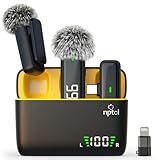


Top 3 picks at a glance
Quick Picks
| Product | Best For | Price |
|---|---|---|
| DJI Mic Mini | Creator who wants a complete kit with a charging case | $79 |
| PQRQP 3 in 1 | Multi-device switching between phone and camera | $26.94 |
| Mini Mic Pro with Case | Balanced features and convenience in one package | $33.99 |
| MAYBESTA 2 Pack | Two-person interviews on a tight budget | $19.99 |
| Hollyland Lark M2 | Long-range, high-bitrate capture for pro workflows | $99 |
| NPTCL Mini USB C | Simple plug-and-play for iPhone and Android | $42.49 |
| BOYA BY-V4U | Four-channel mono flexibility for multi-mic setups | $103.99 |
| Mini Mic Pro (no case) | Absolute lowest entry cost for a single mic | $19.99 |
How We Picked
We narrowed this list using four criteria that actually matter for YouTube work: first, reliable pairing across iPhone, Android, and camera without requiring a companion app that drains battery mid-recording. Second, a noise floor low enough that post-production gain does not expose hiss. Third, included accessories that reduce friction—charging cases, multiple adapters, spare windscreens. Fourth, real-world signal range and latency, because a system that drops audio during a walking-and-talking segment is worthless regardless of its spec sheet.
The 8 Best Wireless Lavalier Microphone Systems For Youtube in 2026
DJI Mic Mini (2 TX + 1 RX + Charging Case)
This is the system I recommend most often to creators who are serious about audio but do not want to spend four figures. Two ultralight transmitters, one receiver, and a charging case that tops everything up between shoots. The detail-rich audio holds up well in noisy environments without aggressive processing that flattens tone. Pros: genuinely tiny transmitters that stay hidden under a collar, and the charging case eliminates dead-battery anxiety entirely. Con: only one receiver means you cannot monitor two speakers simultaneously on camera. Skip it if you need more than two microphones or want headphone monitoring on the receiver side.
PQRQP 3 in 1 Professional Wireless Lavalier Microphone
For creators who hop between iPhone, Android, and a camera body, this three-connection system removes the adapter hunting. The crystal-clear sound claim is modestly earned for the price—it is not studio-grade, but it is noticeably cleaner than what you get from a phone’s built-in mic. Pros: includes three connector types so you can switch devices without a separate dongle, and the elegant black finish is discreet on camera. Con: battery life without a charging case means you need to remember to plug in the transmitter overnight. Skip it if you film daily and do not want to manage individual charging cables.
Mini Mic Pro with Charging Case
The latest model here strikes a practical middle ground: noise cancellation that works well on indoor content, clear voice reproduction, and a charging case that keeps the system ready for back-to-back recordings. It is a strong choice for talking-head videos and interviews shot in controlled environments. Pros: the charging case provides multiple full recharges between sessions, and noise cancelling handles HVAC hum and keyboard clatter effectively. Con: at this price, the clip mechanism on the transmitter can feel slightly loose on thicker fabrics. Skip it if you wear heavy hoodies or work coats often.
MAYBESTA Wireless Mini Microphone 2 Pack
At under twenty dollars for two lapel mics, this is the most affordable way to capture a genuine two-person conversation without a mixer. The clip-on form factor keeps them unobtrusive in frame, and they pair directly with iPhone and Android. Pros: two transmitters included at a price that barely covers a single budget mic from other brands, and setup takes under a minute. Con: audio lacks the body and warmth of pricier options—expect to add EQ in post for a fuller sound. Skip it if your content relies on rich vocal tone or you record outdoors frequently.
Hollyland Lark M2 (2TX + 3RX + Charging Case)
This is the spec monster of the group: 48kHz/24-bit capture, a 300-meter range, and up to 40 hours of total use across transmitters and receiver. The extra receiver means you can record to two devices simultaneously or keep a backup. Pros: the high-fidelity audio and 300m range make it viable for run-and-gun documentary work, and the noise cancelling is effective without sounding processed. Con: at $99 it is the second-most expensive system here, and the size is a step up from ultralight competitors. Skip it if you need the absolute smallest transmitter profile or your budget is under $80.
NPTCL Wireless Lavalier Microphone
A no-frills mini USB-C mic designed for direct plug-in use with iPhone, iPad, and Android. The simplicity is the selling point: no receiver unit, no pairing sequence, just plug and record. Pros: extremely compact and lightweight, making it nearly invisible on camera, and the USB-C connection means zero latency and no battery to manage on the receiver side. Con: single-mic setup means you cannot capture two speakers without buying a second unit. Skip it if you regularly record interviews or need a charging case for multi-day shoots.
BOYA BY-V4U Wireless Lavalier Microphone
BOYA targets creators who need more routing flexibility. The four-channel mono output with an omnidirectional noise-cancelling design makes it useful for capturing multiple audio sources or for recording to a device that benefits from separate channel control. Pros: the four-channel architecture gives you editing options that stereo systems do not, and the charging case extends usability across a full day of shoots. Con: at $103.99 it is the priciest option here, and the form factor is noticeably larger than ultralight competitors. Skip it if you film alone and have no use for multi-channel separation.
Mini Mic Pro (no charging case)
The same core microphone without the case, offered at the lowest price in this roundup. If you already own USB-C chargers and do not need a carrying solution, this delivers the same clear voice and noise cancellation for less. Pros: identical audio performance to the case-included version at a fraction of the cost, and the compact form factor clips easily to collars and lapels. Con: no charging case means you are back to individually plugging in the transmitter, and there is no dedicated storage between shoots. Skip it if you travel for content and need a protective, self-contained kit.
Buying Guide
Connector Type and Device Compatibility
Before comparing sound quality, confirm that the receiver physically connects to your capture device. Lightning, USB-C, and 3.5mm camera inputs each solve different workflows. A system that requires a dongle between the receiver and your phone introduces a failure point you will eventually hit mid-recording. Match the native connector to your primary device and treat adapters as a backup, not a daily-use solution.
Noise Cancellation: Aggressive versus Transparent
Most budget systems apply noise reduction by filtering frequencies below the voice range, which can make speech sound thin. The better systems here use a gentler gate or an onboard DSP that targets specific hum sources like 50/60Hz electrical noise. If your content is filmed in quiet interiors, a transparent or mild cancellation setting will sound more natural than an aggressive one that strips room tone entirely.
Battery Architecture and Charging Cases
A charging case transforms a mic system from something you manage into something you forget about. Without one, you are plugging in individual transmitters and tracking charge levels manually. For creators shooting daily or on multi-day trips, the case-included options justify their price premium through operational simplicity alone. Consider total run time per charge and whether the case recharges via USB-C or a proprietary port.
Our Verdict
Our top pick is the DJI Mic Mini: it balances ultralight transmitters, detail-rich audio, and a charging case at $79, making it the easiest system to recommend to a serious YouTube creator who wants reliability without overspending. For budget buyers, the MAYBESTA 2 Pack at $19.99 gives you two wireless mics for less than most single-mic competitors cost. The one condition under which another system wins outright: if you need 300-meter range and 24-bit high-fidelity capture for run-and-gun work, the Hollyland Lark M2 earns its price premium with specs none of the others can touch.
FAQ
Do wireless lavalier mics add latency to my recording?
Most 2.4GHz digital systems introduce imperceptible delay for standard video recording, but if you are monitoring audio through the receiver while recording, a slight lip-sync offset may appear in your camera or editing software. Systems with a wired USB-C receiver path, like the NPTCL, eliminate latency entirely by bypassing wireless transmission on the recording side.
Can I use two transmitters with one receiver?
Yes—several systems in this list, including the DJI Mic Mini and the Hollyland Lark M2, support two transmitters paired to a single receiver. This lets you record both speakers in a conversation to the same device without carrying extra hardware.
Is noise cancellation better than fixing audio in post?
For light room noise, in-camera or in-mic noise cancellation saves significant editing time and avoids artifacts that aggressive software noise gates introduce. For heavy outdoor wind or traffic, no onboard cancellation will fully solve the problem—you will still need a windshield and post processing regardless of which system you buy.
Do I need a charging case or is it just marketing?
If you shoot more than twice per week, a charging case is a genuine workflow upgrade rather than a gimmick. It eliminates the most common wireless mic failure: arriving at a location with a dead transmitter. For occasional users, the individual USB-C charging port on the transmitter is sufficient and saves you the price difference.


