
The best angle grinders depend on the job: choose a corded 4.5-inch grinder for sustained cutting and low cost, a cordless brushless model for mobility, and a variable-speed grinder when polishing, sanding, or working with delicate materials matters as much as raw cutting power.
As an Amazon Associate we earn from qualifying purchases at no extra cost to you.


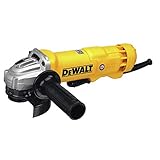
Top 3 picks at a glance
Best angle grinders compared
These models cover the most useful categories rather than pretending one grinder is ideal for every task. The cordless tools below require a separate battery and charger where sold as a bare tool.
| Model | Power system | Disc size | No-load speed | Best for |
|---|---|---|---|---|
| Bosch 1375A | 6.0-amp corded motor | 4.5 inches | 11,000 RPM | Affordable cutting, grinding, and general metalwork |
| DEWALT DCG413B | 20V MAX brushless cordless | 4.5 or 5 inches | 9,000 RPM | Portable cutting and construction work |
| Milwaukee 2780-20 | M18 brushless cordless | 4.5 or 5 inches | 8,500 RPM | Fabrication and users already invested in M18 batteries |
| Makita XAG04Z | 18V LXT brushless cordless | 4.5 or 5 inches | 3,000–8,500 RPM | Controlled grinding, sanding, and mixed materials |
| Metabo WEV 15-125 HT | 13.5-amp corded motor | 5 inches | 2,800–11,000 RPM | Heavy-duty work requiring high power and variable speed |
Specifications can vary slightly by market and package, so check the rating plate and included accessories before buying. The most important practical differences are continuous power, speed control, disc capacity, trigger design, and how easily you can control the tool during a bind or kickback.
Head-to-head: corded versus cordless
Corded grinders
A corded grinder is usually the better choice for long cuts, weld cleanup, masonry work, and shop fabrication. It does not slow as the battery voltage falls, and a 6- to 13.5-amp motor can run continuously without carrying several battery packs. The Bosch 1375A is a sensible low-cost general-purpose option, while the Metabo WEV 15-125 HT offers substantially more motor capacity and adjustable speed.
The drawbacks are the extension cord, reduced mobility, and the need to keep the cable away from the disc. For outdoor work, use an appropriately rated extension cord and a ground-fault-protected outlet. A corded tool is not automatically safer around wet conditions.
Cordless grinders
Cordless models are easier to use on ladders, at a vehicle, on a construction site, or anywhere a cable would snag. Modern brushless grinders also provide electronic braking, overload protection, and soft starting. The DEWALT DCG413B, Milwaukee 2780-20, and Makita XAG04Z are particularly logical choices when you already own batteries in the matching platform.
The limitation is energy storage. A battery grinder may deliver excellent short cuts but become expensive and inconvenient for hours of continuous grinding. Buying into a battery system also means the battery, charger, and other compatible tools should be included in the total cost—not just the bare grinder price.
Battery runtime: a useful buying calculation
Battery labels give voltage and amp-hours, so you can estimate stored energy with:
Watt-hours = nominal volts × amp-hours.
For example, a 20V 5.0Ah pack stores about 100 watt-hours under the nominal-rating calculation. If a grinder averages 500 watts while the disc is actively loaded, the theoretical runtime is:
100Wh ÷ 500W = 0.2 hours, or about 12 minutes.
That is not 12 minutes of nonstop cutting. It is an optimistic active-load estimate; motor losses, battery protection, idle time, and heavy material can reduce it. In real work, you often release the trigger to reposition, measure, or change angles, so one pack may cover more elapsed clock time than this calculation suggests. For repetitive thick-steel cutting, plan on multiple packs or use a corded grinder.
Which grinder fits your situation?
| Your situation | Best specification | Recommended class or model | Why |
|---|---|---|---|
| Occasional rebar, bolts, or rusted hardware | 4.5-inch disc, 6 amps or brushless cordless | Bosch 1375A or DEWALT DCG413B | Compact, fast, and easier to control than a large grinder |
| Daily shop grinding and weld blending | High continuous power, comfortable side handle | 13.5-amp corded class | Better endurance under sustained load |
| Work on ladders or remote job sites | Brushless cordless, electronic brake | Milwaukee 2780-20 or DEWALT DCG413B | No cable snagging and fast wheel stopping |
| Grinding plus flap discs and surface finishing | Variable speed, ideally 3,000–8,500 RPM | Makita XAG04Z or Metabo WEV 15-125 HT | Lower speeds reduce overheating and improve control |
| Concrete or masonry cutting | Compatible diamond wheel, strong motor, dust control | High-power corded 5-inch class | Continuous power is more useful than maximum portability |
Disc size and motor power
A 4.5-inch grinder is the most versatile size for home repair, automotive work, and light fabrication. Its smaller guard and lower weight make it easier to hold accurately. A 5-inch grinder accepts larger discs and can make a slightly deeper cut, but it also places more demand on the motor and operator.
Motor amperage is a useful corded comparison, but it is not a complete performance measurement. A well-designed 6-amp grinder can feel more manageable than a heavier high-amp tool. For cordless models, compare brushless construction, battery capacity, overload behavior, and the availability of larger packs rather than treating voltage alone as a horsepower rating.
Use the disc type for the material: abrasive cutoff wheels for steel, diamond blades rated for masonry where appropriate, grinding wheels for stock removal, flap discs for blending, and wire wheels for rust or paint removal. Never use a disc above its rated RPM, and never install a wheel whose diameter or arbor size does not match the grinder and guard.
Why speed control matters
Maximum speed is useful for cutting steel and aggressive grinding, but it is not ideal for every accessory. Flap discs can remove material quickly at high speed, yet a lower setting often gives smoother control and reduces heat in thin sheet metal. Wire wheels can also become difficult to control at maximum speed.
As a practical starting point, use full speed for a properly rated metal cutoff wheel, roughly 5,000–7,000 RPM for many flap-disc blending tasks, and around 3,000–5,000 RPM for delicate finishing or heat-sensitive work when the accessory permits it. These are starting points, not universal ratings: follow the disc manufacturer’s maximum RPM and instructions first.
Safety features worth paying for
- Adjustable or tool-free guard: keeps sparks and fragments directed away from you and allows the guard to be positioned between your face and the wheel.
- Electronic brake: stops the wheel faster after releasing the switch, reducing coast-down hazards.
- Kickback detection: can shut the motor down when the disc binds, although it cannot prevent every reaction force.
- Soft start: reduces the initial twist when the motor starts.
- Overload and restart protection: helps prevent damage or unexpected startup after a stall or power interruption.
- Two-position side handle: improves leverage and lets you keep your hands away from the disc plane.
Wear eye protection plus a face shield for cutting, hearing protection, gloves suitable for the task, nonflammable clothing, and a properly fitted respirator when the material or coating creates hazardous dust. Clamp the workpiece, hold the grinder with two hands, keep the wheel moving when grinding, and never twist a cutoff wheel sideways. Inspect discs for cracks and discard damaged or dropped wheels.
What to buy
Choose the Bosch 1375A if low purchase cost and dependable corded performance matter most. Choose the DEWALT DCG413B or Milwaukee 2780-20 when portability and an existing battery platform are priorities. Choose the Makita XAG04Z for cordless variable-speed control. For frequent, demanding shop work, the Metabo WEV 15-125 HT is the stronger corded choice because its high-current motor and adjustable speed cover both aggressive removal and controlled finishing.
Market pricing commonly ranges from about $50–$100 for a basic corded 4.5-inch grinder, $130–$250 for a quality cordless bare tool, and $200–$400 or more for a heavy-duty variable-speed grinder. Budget separately for guards, wheels, batteries, chargers, and dust-control accessories, since those can determine whether the tool is actually ready for the job.
Frequently asked questions
Can I use the same wheel for cutting, grinding, and polishing?
No, use an accessory rated for the specific task and material. Abrasive cutoff wheels are for steel, diamond blades rated for masonry are for appropriate masonry work, grinding wheels are for stock removal, flap discs are for blending, and wire wheels are for rust or paint removal. Never use a disc above its rated RPM or with an incompatible diameter or arbor size.
Do cordless grinders include a battery and charger?
Not necessarily; cordless tools sold as bare tools require a separate battery and charger. Include the battery, charger, and other compatible tools in the total cost of choosing a battery platform, rather than considering only the grinder. Existing matching batteries can make models such as the DEWALT DCG413B, Milwaukee 2780-20, or Makita XAG04Z more logical choices.
Can an angle grinder be used in wet conditions?
A corded grinder is not automatically safe around wet conditions. For outdoor work, use an appropriately rated extension cord and a ground-fault-protected outlet, while keeping the cable away from the disc. The article also recommends wearing appropriate protective equipment and using a properly fitted respirator when the material or coating creates hazardous dust.
How deep can a 5-inch grinder cut compared with a 4.5-inch grinder?
A 5-inch grinder can make a slightly deeper cut than a 4.5-inch grinder because it accepts larger discs. However, it also places more demand on the motor and operator. A 4.5-inch grinder remains the more versatile choice for home repair, automotive work, and light fabrication because its smaller guard and lower weight make accurate control easier.
What should I do if a cutoff wheel binds?
Do not twist a cutoff wheel sideways, and keep both hands on the grinder while working. Clamp the workpiece, use the side handle, and keep the wheel moving when grinding. Kickback detection may shut the motor down when the disc binds, but it cannot prevent every reaction force, so inspect wheels and discard any cracked or dropped disc.


