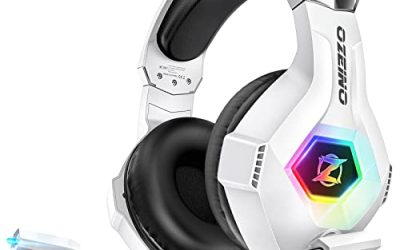
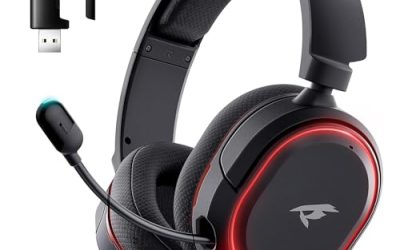
A call center headset is judged by a different standard than a gaming or music headset. It spends eight hours a day on one head, carries a voice through a noise-canceling microphone to a customer, and has to connect cleanly to either a desk phone or a computer softphone. When the budget is capped at under 150 dollars, the useful question is not which model has the most features but which connection type matches your phone system, because a great headset with the wrong plug is dead weight.
These picks suit small support teams, home-based agents, and office managers outfitting a handful of seats. In 2026 the practical divide is between quick-disconnect (QD) corded headsets for desk phones, USB headsets for computer-based calling, and a wireless option with a base and dongle. The sections below show how to match each connection to your equipment, and which listings state their compatibility clearly enough to buy with confidence. Titles here are often cut short, so use the brand names they mention as clues and verify the rest on the product page.
Our Top Picks
Top 3 picks at a glance
Quick Picks
As an Amazon Associate we earn from qualifying purchases at no extra cost to you.


| Product | Best for | Key spec from the title |
|---|---|---|
| TruVoice HD-150 QD | Desk phones from major brands | Wired QD, noise-canceling mic, HD speakers |
| QOEKUEY Open Ear USB Headset | PC calling comfort | USB wired, open ear, noise-canceling mic |
| AGPTEK RJ9 Monaural Headset | Single-ear desk phone use | Corded monaural, 4-pin RJ9, hands-free |
| TruVoice HD-500 QD | Step-up QD option | Wired QD, noise-canceling mic, HD speakers |
| AGPTEK USB Mono Headset | Computer-based call centers | USB corded mono, noise-canceling mic |
| TruVoice HD-150 USB | VoIP softphones on PCs | USB, works with VoIP systems, noise canceling |
| Quick-Disconnect RJ09 Headset | Yealink and Grandstream phones | QD headset, RJ09 cables, noise-cancelling mic |
How to Choose
Match the connector to the phone
Desk phones typically use an RJ9 or RJ11 style headset jack, often through a QD cable. Computers use USB. Some phones, including models from Yealink and Grandstream, need specific cable pinouts, which is why listings name compatible brands. If your phones list a headset port, check the brand and model against the listing before buying, and consider keeping a spare cable.
Mono or stereo
Monaural headsets cover one ear, leaving the other free for hearing the room, a coworker, or a supervisor. They suit open-plan call centers. Binaural or open-ear designs seal or half-seal both ears and suit quieter spaces. Most of the headsets here are mono or noise-canceling microphone focused; check the description before assuming stereo.
Microphone and comfort
A noise-canceling boom microphone matters more than speaker quality, because customers hear your mic, not your earpieces. Look for an adjustable boom you can position about two finger widths from the corner of your mouth. For long shifts, padding, headband tension, and weight affect comfort more than any sound claim, so favor lighter designs and replaceable ear cushions. Try to wear a headset for a full shift before standardizing across a team, if the return policy allows.
What to ignore, and where cheaper headsets cut corners
Ignore generic claims such as crystal-clear calls, which appear on almost every listing. Budget headsets often cut corners on cable strain relief, ear cushion durability, and the quality of the mic boom pivot. A cord that frays at the connector is the most frequent failure, so a QD design that lets you swap the cable is easier to maintain than a fixed one. Keep a spare cable and a few ear cushions in a drawer; replacing a worn part is cheaper than replacing a headset.
The 7 Best Options
TruVoice HD-150 QD Headset
The TruVoice HD-150 is a wired QD headset with a noise-canceling microphone and HD speakers, listed as compatible with Mitel, Nortel, Avaya, Poly, and other desk phones. It targets offices with a mix of phone brands and a preference for quick-disconnect convenience. In practice, that means an agent can step away from the desk for a moment without removing the headset, then reconnect and continue the call.
- QD connection lets you unplug the headset without removing it
- Compatibility with several major phone brands is named in the title
- Trade-off: it needs the right QD cable for your phone, which may be sold separately
Skip it if you take calls on a computer through USB, or if you do not own a desk phone with a compatible headset port. Check the exact phone model against the compatibility list first.
QOEKUEY Open Ear USB Headset
The QOEKUEY is a USB wired headset with a microphone built for PC calls, described as comfortable, noise-cancelling, and open ear. The open-ear design suits agents who want to stay aware of what happens around them while on a call. Supervisors, trainers, and agents who sit near a team lead tend to like this approach, since it makes it easier to hear a quick instruction.
- USB connection works with computers and softphones
- Open-ear design eases pressure during long shifts
- Trade-off: an open design may let in more room noise than a sealed ear cup
Skip it if you work in a noisy open office or use a desk phone with no USB port. Anyone sensitive to background noise should look at sealed designs instead.
AGPTEK RJ9 Corded Headset
The AGPTEK is a hands-free noise-cancelling corded monaural headset for desk telephones, with a 4-pin RJ9 connector. It is a plain, wired option for traditional office phones where a single earpiece keeps one ear free. It is also a sensible spare for a hot-desking area, because a simple corded model has no battery to charge and nothing to pair.
- RJ9 plug fits many standard desk telephones
- Monaural design keeps one ear open
- Trade-off: the title does not list specific phone brand compatibility
Skip it if you use a computer softphone, or if your phone requires a different pinout from the 4-pin RJ9 type.
TruVoice HD-500 QD Headset
The TruVoice HD-500 is another wired QD headset with a noise-canceling microphone and HD speakers, compatible with Mitel, Nortel, Avaya, Poly, and similar phones. It reads as the step-up sibling to the HD-150 for buyers who want that same connection style. Offices that standardize on one headset family often prefer this approach because spare parts, cables, and training notes stay consistent across seats.
- Same QD connection and brand compatibility as the HD-150 family
- HD speakers and a noise-canceling microphone
- Trade-off: the title does not explain what the HD-500 adds over the HD-150
Skip it if you want USB connectivity, or if you prefer to compare the HD-150 and HD-500 differences on the product page first. Reading both listings side by side takes two minutes and avoids paying for features you will not use.
AGPTEK USB Corded Mono Headset
The AGPTEK USB headset is a hands-free corded mono model for PC call centers, with a noise-cancelling microphone and a USB connection. It suits agents who work entirely on a computer. Because it draws power from the USB port, there is no battery to manage, which keeps administration light for a team.
- USB plug works without a desk phone
- Mono design leaves one ear free
- Trade-off: it is tied to a computer, so you cannot use it with a standalone phone
Skip it if you answer calls on a desk phone or a mobile device without a USB port. A mobile phone with only a headphone jack will not work with it either.
TruVoice HD-150 USB Headset
The TruVoice HD-150 USB is described as a professional headset for the office or call center that works with all VoIP phone systems, with a noise-canceling microphone and an HD speaker. It is the computer-friendly version of the HD-150 family. Teams that already own HD-150 QD units for desk phones can add this version for agents who handle calls inside a softphone application.
- USB connection pairs with VoIP softphones
- Noise-canceling microphone and HD speaker are both listed
- Trade-off: the claim of working with all VoIP systems is broad and worth checking against your software
Skip it if your phone uses a QD or RJ9 jack instead of USB.
Quick-Disconnect RJ09 Telephone Headset
This unbranded listing is a telephone headset with a noise-cancelling microphone, a quick-disconnect call center design, and RJ09 cables, compatible with Yealink and Grandstream phones. It fits small offices running those specific desk phone brands. The included cables remove a common purchasing stumbling block, since many buyers discover too late that the headset and phone need a specific adapter.
- RJ09 cables included, with named Yealink and Grandstream compatibility
- QD design allows quick plug and unplug
- Trade-off: the brand is not named, so support is uncertain
Skip it if your phone is from another maker, or if you want a recognizable brand with established support. Keep the order confirmation handy in case you need a replacement cable later.
Which One Fits Your Situation
A small office with desk phones from a major maker
The TruVoice HD-150 QD or HD-500 QD list compatibility with Mitel, Nortel, Avaya, and Poly, which covers many business phone systems. Both share the same connection style, so a mixed fleet of the two is simple to manage.
A home agent working from a laptop
The AGPTEK USB Mono Headset or the TruVoice HD-150 USB plug directly into a computer, with no phone adapter required.
Someone who wants to hear the room while talking
The QOEKUEY Open Ear USB Headset leaves ears less sealed, while a mono model such as the AGPTEK RJ9 keeps one ear free.
A team using Yealink or Grandstream phones
The Quick-Disconnect RJ09 Telephone Headset names both brands in its title, which cuts the guesswork about cabling. It is the least risky pick for those two brands, based on the listed specs.
Common Mistakes
- Buying a USB headset for a desk phone that has only a headset jack.
- Assuming every QD cable works with every phone brand.
- Choosing a stereo headset for an open-plan floor where you must hear colleagues.
- Judging a headset by speaker claims while ignoring the microphone boom.
- Skipping spare cables and ear cushions for a high-use seat.
Related guides
- When I Turn On Record Game In Background On Gamebar. Gamebar Crashes, What Do I Do?
- How To Reduce Background Noise On A Streaming Microphone
- Poly Computer Accessories Company Streaming Evaluation
Frequently Asked Questions
What does QD mean on a headset?
QD stands for quick disconnect. The headset cable splits into two parts so you can unplug from the phone while the headset stays on your head.
Are USB headsets better than RJ9 headsets?
Neither is better in general; they serve different equipment. USB works with computers, while RJ9 or RJ11 style connections work with many desk phones.
Do I need a headset with noise canceling?
For call centers, yes, ideally on the microphone. It filters background chatter so the customer hears you more clearly.
Can I stay under 150 dollars with a good headset?
Yes. The models here target office use and sit in the budget to mid-range tiers, so the cap is realistic for most seats. Premium wireless models with long battery claims often cost more, so corded options stretch a budget across more agents.