
The best complete salon furniture sets for new salon startups are modular packages that include styling stations, salon chairs, mirrors, storage, shampoo equipment, reception furniture and waiting seats in proportions that fit your floor plan—not simply the set with the largest piece count.
As an Amazon Associate we earn from qualifying purchases at no extra cost to you.
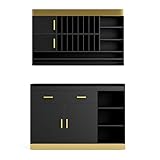
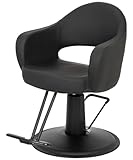
What a Complete Salon Furniture Set Should Include
“Complete” can mean very different things between suppliers, so compare the included inventory before comparing prices. A practical starter package should cover the client journey from check-in to checkout:
- Styling stations: A workstation with mirror, countertop, drawer storage and cable access for each active stylist.
- Styling chairs: Hydraulic height adjustment, a stable five-star or pedestal base, wipeable upholstery and a footrest.
- Backwash equipment: At least one shampoo basin and reclining shampoo chair, with plumbing fittings specified clearly.
- Storage: A towel cabinet, color-storage unit, closed shelving or rolling carts, and a lockable area for chemicals.
- Reception furniture: A reception desk or compact counter, plus a checkout surface and customer-storage space.
- Waiting furniture: Seating sized for your expected peak, rather than an oversized sofa that consumes revenue-producing floor space.
- Utility pieces: Hairdryer or processing-stool space, waste bins, wall shelves, mats and an optional manicure or consultation table.
Some packages call a mirror-and-counter unit a “station,” while others include the chair, trolley and dryer. Request a line-item inventory, dimensions, finish samples, warranty terms and plumbing requirements before placing a deposit.
Choose the Station Count Before Choosing the Set
Station count should follow your usable work area and launch staffing plan. Buying eight stations for a 500-square-foot salon can create cramped walkways, while buying only two for four stylists may force clients to wait during your busiest hours.
Use this starting calculation:
Required styling area = station count × 35–45 square feet.
This allowance includes the station, chair movement, stylist circulation and client clearance. It does not cover reception, shampooing, restrooms, storage or required accessibility paths.
| Usable salon area | Practical starting station count | Typical additional pieces | Best set format |
|---|---|---|---|
| 400–550 sq. ft. | 2–3 | 1 shampoo unit, compact reception desk, 2–3 waiting seats | Wall-mounted or narrow modular set |
| 550–800 sq. ft. | 3–5 | 1–2 shampoo units, 3–5 waiting seats, closed storage | Standard modular package |
| 800–1,200 sq. ft. | 5–8 | 2 shampoo units, reception zone, retail shelving and color storage | Expandable professional package |
| 1,200+ sq. ft. | 8 or more | Multiple shampoo units, separate color area and larger waiting zone | Phased commercial installation |
For example, a 700-square-foot salon with 4 stations may allocate approximately 160 square feet to styling, 70 square feet to shampooing, 80 square feet to reception and waiting, 70 square feet to storage and staff functions, and the remaining area to circulation and required clearances. This is only a planning model; your local building and accessibility rules take priority.
Best Set Types for Different Startup Situations
| Startup situation | Recommended configuration | Why it fits | Watch out for |
|---|---|---|---|
| Solo stylist or suite | 1 station, 1 chair, 1 shampoo unit, rolling trolley and compact reception surface | Lowest initial cost and minimal footprint | Limited capacity if another stylist joins |
| Two- to three-stylist salon | 2–3 stations, 1 shampoo unit, 3 chairs, shared storage and two-seat waiting area | Balances capacity with manageable plumbing and staffing | Insufficient shampoo capacity at peak times |
| Growing neighborhood salon | 4–6 stations, 2 shampoo units, reception desk, closed color storage and modular waiting seats | Supports growth without replacing the core furniture | Requires careful power, plumbing and delivery planning |
| Budget-first launch | Refinishable laminate stations, commercial hydraulic chairs and separate storage modules | Spreads spending across essential and later additions | Very cheap upholstery and weak hardware wear quickly |
Material Durability: What to Buy for Daily Salon Use
Worktops and cabinets
High-pressure laminate over a moisture-resistant panel is usually the strongest value for a startup. It tolerates hair color, disinfectant and frequent wiping better than untreated wood veneer. Edge-banded panels are preferable to raw particleboard because exposed edges absorb spills and swell.
Solid-surface countertops are more expensive but useful where chemical resistance, easy cleaning and a premium appearance matter. Powder-coated metal frames add durability, especially for rolling carts and open shelving. Avoid furniture that relies on thin backing panels or small cam fasteners if it will be assembled and moved repeatedly.
Upholstery
Choose nonporous commercial vinyl or polyurethane upholstery with sealed seams. Light colors may make a small salon look larger, but darker colors generally conceal hair and cosmetic staining better. Check the cleaning instructions: a material that cannot tolerate the disinfectant you use is not suitable, regardless of its appearance.
Mirrors and hardware
Use safety-backed or otherwise professionally specified mirror glass where required. Soft-close hinges, metal drawer slides and replaceable hydraulic pumps are worthwhile because these parts receive daily use. Ask whether replacement pumps, casters and upholstery panels remain available after the initial purchase.
Budget by Function, Not by Package Name
As a broad 2026 planning range, a single-chair starter setup often falls around $2,500–$6,000 for furniture and basic salon equipment. A two- to three-station package may usually land near $6,000–$14,000, while a four- to six-station commercial setup commonly reaches $14,000–$30,000 or more. Plumbing changes, freight, installation, electrical work and local taxes can add substantially.
A useful allocation for a modest three-station salon is:
- 35–45%: styling stations and hydraulic chairs
- 15–25%: shampoo basin and reclining chair
- 10–15%: reception and waiting furniture
- 10–15%: storage, trolleys and utility furniture
- 10–20%: delivery, assembly, installation and contingency
Keep at least 10% of the furniture budget for missing fittings, replacement hardware, wall reinforcement or installation adjustments. A package that appears inexpensive can become costly if it excludes faucets, traps, supply lines, drain connections or assembly.
Check Power and Plumbing Before Ordering
Furniture placement affects electrical and plumbing requirements. A simple power estimate can prevent an overloaded circuit:
Total load = number of simultaneously used devices × wattage.
Suppose three stations may each run a 1,800-watt hair dryer, while a 200-watt hot tool and 100-watt task light are used at each station. The estimated peak is 3 × (1,800 + 200 + 100) = 6,300 watts. At 120 volts, that equals approximately 52.5 amps. That load should not be placed on one ordinary circuit; a licensed electrician should divide equipment across correctly rated circuits and account for local code requirements.
For shampoo units, confirm the drain direction, hot-and-cold supply locations, water pressure requirements and whether the basin includes a vacuum breaker or other required fittings. A backwash unit positioned far from existing plumbing can cost more to install than the furniture itself.
Assembly and Delivery Decisions
Flat-packed stations can reduce freight costs, but they demand accurate assembly and careful wall anchoring. They are a sensible choice when your team can assemble cabinets level, protect mirror glass and verify drawer alignment. Preassembled furniture costs more to ship but reduces setup time and the chance of damaged panels.
Before delivery, measure doorways, elevators, stair turns and the final installation route. Record the packaged dimensions, not just the assembled dimensions. Schedule plumbing and electrical work before furniture arrives, but leave final wall anchoring and station alignment until the room is clean and finished.
A Practical Buying Checklist
- Measure the usable floor area, doorways and installation route.
- Mark station, chair, shampoo and circulation zones on the floor with tape.
- Choose the opening station count and identify where a future station could fit.
- Compare every included piece, including faucets, mirrors, trolleys and storage.
- Confirm materials, upholstery cleaning limits and replacement-part availability.
- Verify power draw, outlet positions, drain locations and water connections.
- Separate furniture cost from freight, assembly, installation and tax.
- Obtain written delivery damage and warranty procedures.
For most new salons, the strongest choice is a two- to four-station modular set with durable laminate or solid-surface worktops, commercial-grade upholstery, one shampoo unit that can later be supplemented, and storage that can be rearranged. That combination protects the startup budget while leaving room to add stations as bookings—not optimism—justify expansion.
Frequently asked questions
How can I tell whether a salon furniture package is truly complete?
Ask the supplier for a line-item inventory rather than relying on the package name or piece count. Check whether it includes styling stations and chairs, backwash equipment, storage, reception furniture, waiting seats and utility pieces. Also request dimensions, finish samples, warranty terms and plumbing requirements before placing a deposit.
What should I measure before ordering salon furniture?
Measure the usable floor area, doorways, elevators, stair turns and the complete installation route. Record packaged dimensions as well as assembled dimensions, because flat-packed or preassembled furniture may need to pass through constrained areas. Mark station, chair, shampoo and circulation zones with tape to identify fit and walkway problems before delivery.
What replacement parts should I ask about before buying?
Ask whether replacement hydraulic pumps, casters and upholstery panels will remain available after the initial purchase. It is also useful to confirm the durability and serviceability of drawer slides, hinges and other hardware. Written warranty terms and delivery-damage procedures can help clarify how the supplier handles problems after the furniture arrives.
Which salon furniture materials are easiest to maintain?
High-pressure laminate over a moisture-resistant panel generally handles hair color, disinfectant and frequent wiping better than untreated wood veneer. Choose edge-banded panels instead of raw particleboard, and use nonporous commercial vinyl or polyurethane upholstery with sealed seams. Confirm that the upholstery tolerates the disinfectant used in the salon before purchasing.
Why can a shampoo unit cost more to install than expected?
Installation costs can rise when a backwash unit is far from existing plumbing. Before ordering, confirm the drain direction, hot-and-cold supply locations, water-pressure requirements and whether the basin includes required fittings such as a vacuum breaker. Plumbing changes, freight, installation and electrical work may add substantially to the furniture purchase.


