
Our Top Picks


Top 3 picks at a glance

The short answer
The best decompression belts for lower back pain are adjustable lumbar traction belts that fit your waist measurement, let you control inflation in small increments, and use comfortable, breathable materials. There isn’t one best belt for everyone: a belt that fits securely over a thin shirt may be a poor choice over bulky clothing, and traction that feels helpful to one person may worsen another person’s symptoms. Use a belt only as a comfort aid—not as a diagnosis or a substitute for medical advice.
What a decompression belt does—and doesn’t do
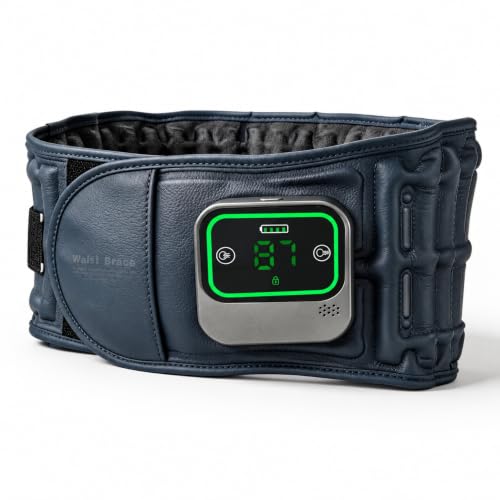
Most consumer “decompression” belts use an inflatable bladder or air cells to apply a lifting or traction-like force around the waist. A hand pump or built-in mechanism increases pressure; a release valve lets you lower it. The aim is temporary support or a feeling of reduced pressure. These devices do not permanently decompress the spine, correct the cause of back pain, or guarantee that a disc or nerve problem will improve.
As an Amazon Associate we earn from qualifying purchases at no extra cost to you.


That distinction matters when comparing products. A higher pressure rating is not automatically better: fit, gradual adjustment, and the ability to stop comfortably are more useful than trying to maximize inflation. If pain is new, severe, persistent, or accompanied by leg weakness, numbness around the groin, or changes in bladder or bowel control, seek medical care rather than trying to manage it with a belt.
Compare by fit, adjustment, and materials
Product names and advertised benefits vary, and models can change. The table below compares the features to check across common belt designs rather than ranking unverified models. Confirm the current manufacturer sizing chart and instructions before buying.
| Belt type | Typical adjustment | Materials and feel | Best fit for | Main trade-off |
|---|---|---|---|---|
| Single-bladder inflatable belt | Hand pump plus release valve; inflation is added in small presses | Fabric shell, hook-and-loop closure, internal air bladder | People who want simple, user-controlled inflation | Can feel bulky; pump and tubing need to sit clear of clothing and furniture |
| Multi-cell inflatable belt | Pump or control system adjusts several air sections together | Multiple air chambers under a fabric cover | People who prefer pressure spread across a wider area | More seams and components to position; pressure may not feel even on every body shape |
| Non-inflatable lumbar support belt | Straps and closure set the snugness; no inflation control | Elastic, woven fabric, or panels with stays | People seeking a simpler support layer rather than traction-like inflation | Does not provide an adjustable decompression effect |
Measure before choosing a size
Measure where the belt will sit, following the manufacturer’s instructions; waist size printed on trousers may not match that measurement. If you plan to wear it over a shirt, measure over a similar layer. For example, a measured circumference of 38 inches is not enough by itself to establish a size: if the maker lists 34–38 inches for one size and 38–44 inches for the next, 38 inches lies on the boundary. Check the brand’s advice for boundary measurements and whether the stated range refers to body circumference or belt length.
Look for a closure that still has room to tighten and loosen at your measurement. If the straps are already near their end, the belt may slip when you sit or inflate it. If you are between sizes, don’t assume “more compression” means choosing the smaller one; a belt that pinches or restricts comfortable breathing is not a good fit.
Adjustment range beats maximum inflation
Prefer a pump or control that allows gradual changes and a valve that can release pressure promptly. A wide stated pressure range is useful only if you can make small, repeatable adjustments and stop easily. Some belts rely on a hand pump; others use different inflation mechanisms. Check how the controls are operated, whether the tubing can be repositioned, and whether you can reach the release while wearing the belt.
Ease of release is especially important for first-time users. A belt that is difficult to deflate can turn a minor discomfort into a stressful experience. Avoid products that provide no clear instructions for inflation, duration, or stopping use.
Check fabric and construction for daily practicality
A breathable outer fabric can feel more comfortable against clothing in warm conditions, while a soft lining may reduce rubbing. Neither feature makes a belt medically more effective. Check that the edges do not dig into the ribs or hips, the closure stays secured without excessive force, and the air bladder does not have obvious creases when worn. If you have sensitive skin, consider what touches your skin directly and follow the care instructions; inflatable components may not be machine washable.
Choose by situation
| Your situation | What to prioritize | Why |
|---|---|---|
| You’re new to traction-style belts | Simple hand pump, accessible release valve, clear instructions | Small changes and quick deflation make it easier to stop if the sensation is uncomfortable |
| You need to wear it over clothing | Verified size range over your intended layer, adjustable straps, low-bulk pump placement | A close fit over a shirt may become too tight over a sweatshirt |
| You sit for much of the day | Flexible edges and a design that does not press into the hip crease when seated | A belt that feels acceptable standing can bunch or pinch when sitting |
| You mainly want gentle support, not inflation | Consider a non-inflatable support belt or ask a clinician whether a belt is appropriate | It avoids adding a traction-like sensation you may not need |
| Your symptoms include radiating pain, numbness, or weakness | Medical assessment before choosing a belt | These symptoms can need evaluation; a belt cannot identify or treat their cause |
How to try a belt cautiously
- Read the instructions first. Check the intended placement, inflation method, wear-time guidance, and cleaning rules. Do not improvise a pressure target from another product’s instructions.
- Start with a comfortable fit. Fasten the belt so it stays in place without pinching or restricting breathing. Position it as directed by the manufacturer.
- Inflate gradually. Add a small amount, pause, and notice how your back and legs feel. More inflation is not a goal. Stop and deflate if discomfort, tingling, numbness, or pain increases.
- Check the fit in more than one posture. If appropriate and comfortable, see whether the belt shifts, digs in, or becomes restrictive when you sit or stand. Don’t wear it during an activity if you cannot adjust or remove it easily.
- Reassess rather than pushing through. A belt that repeatedly worsens symptoms or only feels tolerable at an extreme tightness is a reason to stop and ask a healthcare professional for guidance.
What to look for before buying
For most shoppers, a sensible shortlist is a belt with a size chart based on a clearly defined measurement, enough overlap in the closure to allow adjustment, a controllable inflation method, and a release valve you can reach while wearing it. Check whether the package includes the pump, whether replacement or repair information is available, and how the product should be cleaned. Be wary of claims that promise to cure a specific spinal condition or replace clinician-directed treatment.
The best decompression belts for lower back pain are ultimately the ones that fit your body and can be adjusted or removed without difficulty—provided a belt is appropriate for your symptoms in the first place. If you are unsure, have a clinician or physical therapist help you assess whether traction-style support makes sense for you.
Frequently asked questions
Can I use a decompression belt instead of seeing a healthcare professional?
No. A decompression belt should be used only as a comfort aid, not as a diagnosis or substitute for medical advice. Seek medical care if pain is new, severe, or persistent, or if you have leg weakness, numbness around the groin, or changes in bladder or bowel control. If you are unsure whether traction-style support is appropriate, ask a clinician or physical therapist.
How tight should a decompression belt feel when I first put it on?
It should stay in place without pinching or restricting comfortable breathing. Fasten it securely, then position it as directed by the manufacturer before adding inflation gradually. If the belt digs into your ribs or hips, bunches, restricts movement, or becomes uncomfortable when sitting, loosen or remove it. More tightness or inflation is not the goal.
Can I wear the belt over a shirt or sweatshirt?
Yes, but measure and choose the size over a layer similar to the clothing you intend to wear. A belt that fits over a thin shirt may become too tight over a sweatshirt. Check that the closure still has room to tighten and loosen, and that the pump or tubing can sit clear of clothing and furniture.
What should I do if the belt makes my symptoms worse?
Stop inflating and deflate the belt if discomfort, tingling, numbness, or pain increases. Reassess the fit rather than pushing through. If the belt repeatedly worsens symptoms or is tolerable only at extreme tightness, stop using it and ask a healthcare professional for guidance. A belt should not be used to manage symptoms that may need medical evaluation.
Does a decompression belt permanently decompress the spine?
No. Consumer decompression belts aim to provide temporary support or a feeling of reduced pressure through inflatable bladders or air cells. They do not permanently decompress the spine, correct the cause of back pain, or guarantee improvement in a disc or nerve problem. Their pressure rating is not automatically a measure of effectiveness; fit and controllability matter more.


