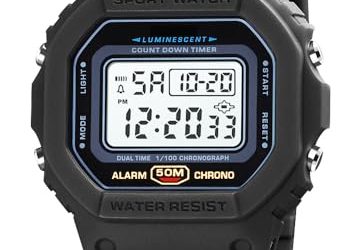
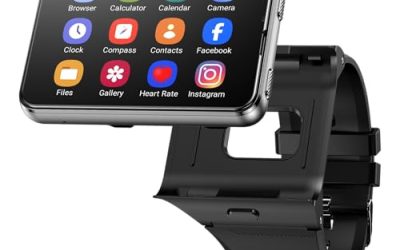
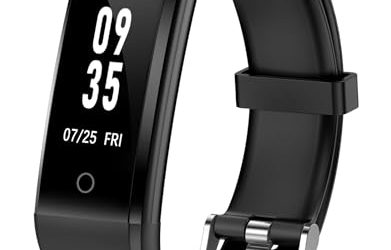
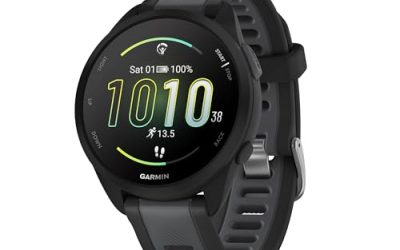
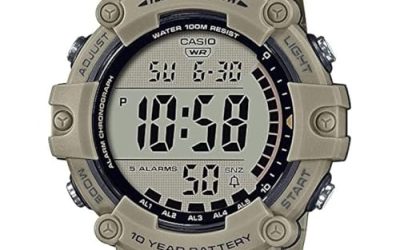
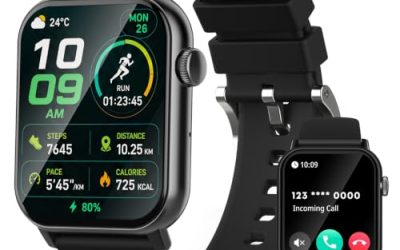
Shopping for a fitness watch as a man usually means balancing three things that pull against each other: a case big enough to read mid-workout, a battery that does not need nightly charging, and sensors that track runs, lifts, and sleep without a subscription. The listings below run from a GPS running watch from a major sports brand to rugged-looking budget smartwatches with large touchscreens, so the decision starts with what you will actually do on your wrist every day.
This guide is for buyers who want one watch to cover gym sessions, weekend runs, and daily notifications in 2026, and who would rather compare listed specs than guess. Screen size, water resistance rating, call support, and whether the watch works without a phone are the details that separate these eight models, and each is covered below with honest trade-offs.
Our Top Picks

Top 3 picks at a glance
Quick Picks
As an Amazon Associate we earn from qualifying purchases at no extra cost to you.




| Product | Best for | Key spec from the title |
|---|---|---|
| 1.91-inch Bluetooth Call Smartwatch | Big-screen daily wear | 1.91″ display, Bluetooth calls |
| 1.10-inch AMOLED Fitness Tracker | Slim, light wrists | 1.10″ AMOLED, blood pressure monitor |
| MorePro Fitness Tracker | Health metrics | Blood oxygen, IP68 |
| DIVOAZBVO Smart Watch | Variety of workouts | 120+ sports modes, IP67 |
| Garmin Forerunner 55 | Serious runners | GPS, up to 2 weeks battery |
| No-App Fitness Tracker Watch | Phone-free users | No app or phone required |
| Military Smart Watch 2.02-inch | Rugged-style look | 2.02″ screen, make and answer calls |
| 1.8-inch Alexa Smartwatch | Voice-assistant fans | Alexa built-in, IP68 |
How to Choose
Decide whether you need real GPS
A watch that lists GPS, like the Garmin Forerunner 55, can log a run and map your route without your phone nearby. Budget smartwatches often rely on a connected phone for location, which means leaving the phone at home gives you step counts but no accurate pace. If you run outdoors more than twice a week, GPS is worth paying more for. If you mostly lift and walk, it is not. Also check whether the watch stores workouts offline, because a GPS run is only useful if the data syncs to a phone afterward without losing the route.
Check the water resistance rating, not just the word waterproof
IP67 and IP68 ratings cover splashes, rain, and brief immersion, which is enough for sweat and handwashing. They are not the same as swim-rated depth ratings. If you swim laps, look for an ATM rating in the listing and ignore vague “waterproof” copy. Most budget watches here are suitable for gym and rain, not diving. Hot showers and saunas also stress seals over time, so leave the watch on the dresser for those even when the rating sounds generous.
Look at screen size against wrist size
Displays range from about 1.1 inches to just over 2 inches in these listings. A larger screen is easier to read mid-set and fits notifications better, but a 2-inch case can feel bulky on a narrower wrist and snag on sleeves. AMOLED panels tend to look sharper in sunlight than basic LCD, but the title seldom tells you brightness, so view the size as a guide only. Measure your wrist and compare it with the listed case diameter where one is given, and prefer a flexible silicone strap if you sweat heavily during training.
Be skeptical of blood pressure and oxygen claims
Several budget listings advertise blood pressure and blood oxygen tracking from the wrist. These are estimates from simple optical sensors, not medical readings, and they should never replace a proper cuff or clinical advice. Where budget models cut corners: sensor accuracy, app polish, long-term software updates, and battery claims that depend on turning half the features off.
The 8 Best Options
1.91-inch Bluetooth Call Smartwatch for Men
This is the roomy all-rounder for men who want a big display on the wrist. The title lists a 1.91-inch screen, Bluetooth answering, 24/7 heart rate, sleep monitoring, steps, and calories, so it covers the basic daily dashboard. It targets buyers who want phone calls from the wrist without going full flagship. Picture a desk worker who walks at lunch, hits the gym three times a week, and wants to dismiss a call from the wrist instead of digging out a phone between sets.
- Strength: a large display makes workout stats easier to read mid-exercise.
- Strength: Bluetooth calling suits commuting and gym use.
- Trade-off: no GPS or water depth rating is named in the title.
Skip it if you want precise running pace or a slim case.
1.10-inch AMOLED Fitness Tracker Watch
A smaller case and a 1.10-inch AMOLED touchscreen make this the lighter option for guys with narrow wrists or anyone who dislikes bulky watches. It lists 24/7 heart rate, blood pressure, sleep, and a step counter in a waterproof body. The listing is aimed at buyers who think of a watch mainly as a quiet daily logger and want it to disappear on the wrist rather than announce itself.
- Strength: compact size is more comfortable overnight for sleep tracking.
- Strength: AMOLED screen type is a notable feature at this tier.
- Trade-off: the small screen shows less per glance than 1.8-inch or larger watches.
Skip it if you want call handling from the wrist.
MorePro Fitness Tracker
MorePro leans on health metrics: heart rate, blood pressure, blood oxygen, sleep tracking, steps, and calories, with an IP68 rating. It suits a buyer who wants daily wellness numbers more than sport modes. That fits a man who is starting a fitness routine, wants a single screen of daily numbers, and does not yet know which sport he will stick with.
- Strength: the sensor list is broad for a fitness tracker.
- Strength: IP68 handles sweat, rain, and rinsing.
- Trade-off: blood pressure and oxygen readings are estimates, not medical data.
Skip it if you need GPS or a big screen for gym sets.
DIVOAZBVO Smart Watch for Men
DIVOAZBVO targets variety. It lists more than 120 sports modes, a 1.83-inch HD touchscreen, sleep monitoring, IP67 water resistance, Bluetooth calling, and music control. That suits someone who switches between cycling, basketball, and weight training. Mode count alone does not guarantee accuracy in each one, so treat the long list as flexibility for logging sessions rather than as a promise of sport-specific metrics.
- Strength: huge sports mode list covers niche activities.
- Strength: music control and calls cut phone checking.
- Trade-off: IP67 offers less water protection than IP68.
Skip it if you want a recognized fitness platform with structured plans.
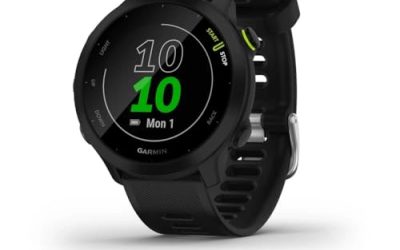
Garmin Forerunner 55
The Forerunner 55 is the only watch here from an established sports brand, and its title names GPS, daily suggested workouts, and up to two weeks of battery life. It is the pick for anyone who runs outdoors and wants a purpose-built tool rather than a notification device. Marathon trainees, couch-to-5K starters, and anyone who wants a plan handed to them each morning will get the most from it, and the light feel suits long efforts.
- Strength: GPS and suggested workouts give runners structure.
- Strength: battery life of up to two weeks reduces charging chores.
- Trade-off: it lacks the large screen and call features of cheaper smartwatches.
Skip it if you want phone calls on your wrist.
No-App Fitness Tracker Watch
The selling point is simplicity: heart rate, pedometer, step counter, sleep monitoring, alarm, and stopwatch, with no app or phone required. Buyers who dislike pairing software or sending data to the cloud will like the idea. It also makes a decent gift for a parent or a teenager who wants a sturdy wrist tracker without another account to manage.
- Strength: no app means no account or constant syncing.
- Strength: stopwatch and alarm work as a basic daily watch.
- Trade-off: you give up phone notifications and detailed history charts.
Skip it if you want long-term trend graphs on a phone.
Military Smart Watch for Men, 2.02-inch
The largest display in this group, at 2.02 inches, wrapped in a rugged-looking case. It lists answering and making calls, Android and iPhone support, blood pressure monitoring, and waterproofing. It suits men who like a bold tactical look and want the screen real estate to read messages and workout data at a glance, whether on a job site or on a trail.
- Strength: the screen is the largest in the group.
- Strength: both phone platforms are supported for calling.
- Trade-off: a 2-inch case can feel heavy on slim wrists.
Skip it if you prefer a low-profile watch under a shirt cuff.
1.8-inch Alexa Smartwatch for Men
This one adds Alexa built-in to a 1.8-inch HD screen, IP68 water resistance, Bluetooth calling, and heart rate tracking. It suits people who like asking for timers, weather, or reminders by voice. A man with sweaty hands in the middle of a circuit, or a driver who wants to set a timer without touching a screen, is the buyer this layout is written for.
- Strength: voice-assistant support helps hands-free use mid-workout.
- Strength: IP68 gives better splash and rain protection than IP67 models.
- Trade-off: voice features depend on a paired phone and connection.
Skip it if you do not use voice assistants.
Which One Fits Your Situation
You run three or more times a week outdoors
Go with the Garmin Forerunner 55. GPS, suggested workouts, and the long battery make it the sensible training tool in this list.
You split time between gym, pickup sports, and the commute
The DIVOAZBVO and its 120-plus sports modes, calling, and music control cover the most varied week.
You want the largest screen and a rugged look
The Military Smart Watch with its 2.02-inch display is the choice, as long as your wrist can carry the size.
You hate pairing apps
The No-App Fitness Tracker Watch lets you wear a watch that simply counts steps and heart rate without accounts.
Common Mistakes
- Treating blood pressure and oxygen readings from a budget watch as medical data.
- Buying for sports mode count instead of GPS, screen size, or battery.
- Assuming waterproof means swim-safe when only IP67 or IP68 is listed.
- Choosing a 2-inch case without checking how it sits on your wrist.
- Expecting phone-independent pace and distance from a watch without GPS.
Related guides
- When I Turn On Record Game In Background On Gamebar. Gamebar Crashes, What Do I Do?
- How To Reduce Background Noise On A Streaming Microphone
- Poly Computer Accessories Company Streaming Evaluation
Frequently Asked Questions
Do I need GPS in a fitness watch?
Only if you run, cycle, or hike outdoors and want accurate pace without carrying a phone. For gym and walking, step and heart-rate tracking are enough.
Can I swim with an IP68 watch?
IP68 is for dust and water immersion limits, but it is not the same as a swim rating. Look for ATM or a named swim mode before taking it into a pool.
Are Bluetooth call watches reliable?
They work through your phone, so range and phone signal matter. Expect them to be convenient for short calls rather than long conversations.
How long should the battery last?
Sports-brand GPS watches list one to two weeks, while large-screen smartwatches often last several days. Heavy calling and always-on screens shorten both.