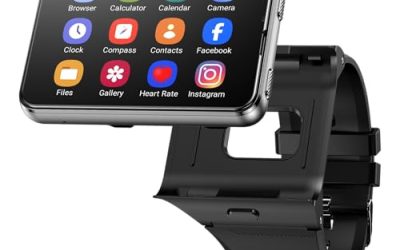
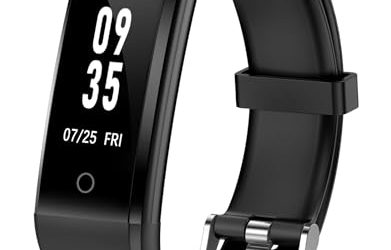
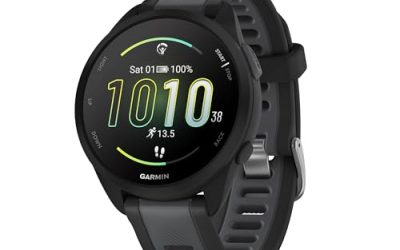
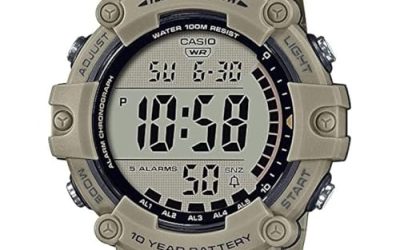
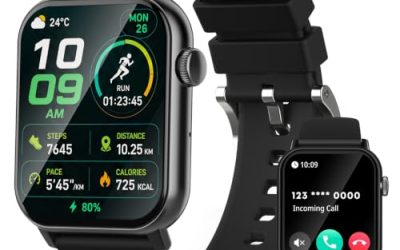
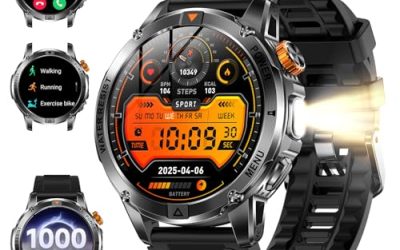
A fitness watch under 100 dollars is a category where the listings promise a lot: AMOLED screens, call answering, a hundred-plus sport modes, blood oxygen and blood pressure readouts. The sensible way to shop is to separate what the hardware can credibly do at this tier from what the product page merely lists. A budget tracker can count steps, show a heart rate trend and log sleep reasonably well. It is far less likely to deliver medical-grade accuracy or deep training analytics, and it will not match a premium sport watch for GPS or battery tuning.
This guide is for first-time buyers, gym-goers who want workout reminders, and parents choosing a starter tracker. We compare eight listings using only what their titles state: screen size and type, sport mode counts, water protection, calling support, phone compatibility and health sensors. Where a title is truncated or vague, we say what to verify. If you shop for a tracker in 2026, expect these listings to be stronger on feature count than on brand support, so the checklist below matters.
Our Top Picks
Top 3 picks at a glance
Quick Picks
As an Amazon Associate we earn from qualifying purchases at no extra cost to you.
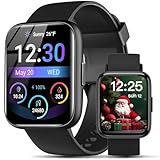

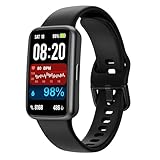


| Product | Best for | Key spec from the title |
|---|---|---|
| JeeJTek 1.83-inch | Big-screen daily wear | 1.83″ HD, 100 sports modes, Bluetooth call and music control |
| Csasan 1.91-inch | Calls from the wrist | 1.91″ HD, answer and make calls, 100+ sports, IP68 |
| Enfit 1.47-inch | Compact tracker | 1.47″ color screen, 100+ sports, 3ATM waterproof |
| MorePro 112 Sports | Health-metric variety | 24/7 heart rate, blood pressure and blood oxygen, 112 sports modes |
| 1.10-inch AMOLED Tracker (unbranded) | Bright display, simple use | 1.10″ AMOLED touch color, step counter, heart rate, sleep tracker |
| Mindimp | Android and iPhone households | IP68, activity counter, sleep monitor, Android and iOS compatible |
| 1.91-inch Smart Watch for Men (unbranded) | Call-capable large display | 1.91″, Bluetooth call, 24/7 heart rate, steps and calories |
| Blackview Smart Watch | Spare strap and SpO2 | Calls, heart rate, SpO2, sleep, 2 straps, 100+ sports, IP68 |
How to Choose
Screen size and type
Screen sizes in this group run from about 1.1 inches to 1.91 inches. A 1.4- to 1.5-inch display is a comfortable middle ground for reading notifications on a normal wrist, while 1.8 inches and up favors big hands and low-vision readers but adds bulk. An AMOLED panel gives deeper contrast and better outdoor visibility than a basic LCD, though the title must actually say AMOLED. Brightness and always-on options are rarely listed, so a return window matters more than the spec line. Also look at how the watch handles a wet or sweaty finger: cheap touch panels often misread input during a workout, and a physical side button that wakes the screen and steps back through menus is a useful safety net.
Water protection that matches your workouts
IP68 means the watch resists dust and can handle immersion in shallow water, which suits sweat, rain and handwashing. A 3ATM rating means roughly 30 meters of static pressure, which also covers splashes and light swimming, although buttons and touch screens can misbehave underwater. Do not take a budget watch into a hot shower or sauna, since heat and steam strain seals. If you plan to swim laps, look for a tracker that explicitly lists a swim mode and a 5ATM or higher rating.
Sensors, calls and what they really deliver
Heart rate, sleep and step tracking are standard here and suit trend watching. Blood oxygen and blood pressure readouts on cheap watches are estimates, so treat them as rough indicators and never as medical advice. Bluetooth calling lets you answer from the wrist through the phone, but call quality depends on a small speaker and microphone. Check phone compatibility too: Android and iOS apps differ in quality, and some budget trackers rely on a companion app with limited updates.
Sport modes and battery claims
A count of 100 or 112 sport modes is mostly marketing, because most buyers use walking, running, cycling and gym. What matters is whether the watch logs those well. Few listings here state a battery figure, so assume a few days of normal use and less with calls and an always-on screen. Where budget models cut corners: GPS is rarely included, so distance comes from phone-assisted tracking or step estimates, and replacement straps and chargers may be proprietary. That last point deserves attention: a magnetic charging cable that goes missing can turn a working watch into a paperweight, so keep a spare cable in mind when you compare how common the charger type is.
The 8 Best Options
JeeJTek 1.83-inch
JeeJTek leads with a large 1.83-inch HD display and a long list of workout types. The title lists 100 sports modes, heart rate and sleep monitoring, Bluetooth call and music control, and a water code that is cut off in the text.
- Strength: the large screen is easier to read at a glance, especially during workouts.
- Strength: Bluetooth calling and music control let you manage the phone without taking it out.
- Trade-off: the water rating is truncated in the title, so confirm it before taking the watch near a pool.
Skip it if you have a slim wrist or want a discreet tracker. It suits buyers who value screen size and calling in one device.
Csasan 1.91-inch
Csasan targets buyers who want a big display and calling. The title lists a 1.91-inch HD screen, the ability to answer and make calls, heart rate, sleep and step monitoring, 100+ sports and IP68 waterproofing.
- Strength: IP68 waterproofing is stated clearly, which supports sweat and rain use.
- Strength: answer-and-make-call support lets you handle short calls with the phone in a bag.
- Trade-off: a 1.91-inch screen is bulky on a small wrist.
Skip it if you prefer a slim profile. It fits commuters and gym users who take calls on the go.
Enfit 1.47-inch
Enfit is the compact tracker of the group with a 1.47-inch color screen and a black finish. The title lists 100+ sports, heart rate and sleep monitoring, a pedometer and step counter, and 3ATM waterproofing.
- Strength: a mid-size screen balances readability with a comfortable footprint.
- Strength: 3ATM waterproofing is a stated, measurable protection level.
- Trade-off: the title does not mention calling, so it is a tracker rather than a phone companion.
Skip it if you want to take calls. It suits walkers and gym-goers who want a tidy device.
MorePro 112 Sports
MorePro stresses health metrics. The title lists 24/7 heart rate and blood pressure monitoring, blood oxygen monitoring, a sleep tracker, 112 sports modes and call and message alerts.
- Strength: it lists the widest set of health readouts in this roundup, including blood oxygen and blood pressure.
- Strength: call and message alerts keep you in touch with the phone.
- Trade-off: blood pressure on a budget wrist device is an estimate, not a clinical reading.
Skip it if you want precise medical data. It suits users who enjoy watching trends over time.
1.10-inch AMOLED Tracker (unbranded)
This unbranded tracker pairs a small 1.10-inch AMOLED touch color screen with a step counter, calorie tracking, a stopwatch, a heart rate monitor and a sleep tracker.
- Strength: AMOLED is the display type most associated with sharp color and contrast.
- Strength: its compact size suits smaller wrists and overnight sleep tracking.
- Trade-off: the small screen limits text, and the title shows no water rating or calling feature.
Skip it if you want notifications and a big canvas. It suits minimalists and people with slim wrists.
Mindimp
Mindimp is pitched at households that mix phones. The title lists a fitness tracker with activity counter and sleep monitor, IP68 waterproofing and compatibility with Android and iOS.
- Strength: explicit cross-platform compatibility lowers the risk of a mismatch.
- Strength: IP68 is stated, covering sweat and shallow water.
- Trade-off: the visible title does not list screen size, heart rate or calling.
Skip it if you need a detailed feature list. It suits families who want a basic tracker that works with either phone, such as a parent buying for a teenager on iPhone while using Android themselves.
1.91-inch Smart Watch for Men (unbranded)
This listing offers a new 1.91-inch smartwatch with answer and Bluetooth call support, a fitness tracker, 24/7 heart rate, sleep monitoring, steps and calories.
- Strength: a large screen plus Bluetooth calling gives a smartwatch feel at a modest tier.
- Strength: all-day heart rate tracking suits buyers who like trend data.
- Trade-off: no brand name or water rating appears in the title.
Skip it if you want documented water resistance. It suits larger-wristed buyers who want calls and fitness tracking, and who are comfortable researching the seller because the brand gives little to go on.
Blackview Smart Watch
Blackview is a named brand and positions this model for men and women. The title lists calling, heart rate, SpO2 and sleep monitoring, two straps, 100+ sports modes and IP68 waterproofing.
- Strength: two straps mean you can swap a sports band for a different look.
- Strength: a named brand and clear IP68 claim give more reassurance than anonymous listings.
- Trade-off: the title does not give a screen size, so check the display before buying.
Skip it if screen size is your top priority. It suits first-time buyers who want a balanced, branded package.
Which One Fits Your Situation
You want to answer calls while working out
The Csasan 1.91-inch pairs call support with IP68 protection, and the JeeJTek 1.83-inch adds music control to calling.
You have a slim wrist or hate bulk
The unbranded 1.10-inch AMOLED tracker and the Enfit 1.47-inch are the smaller options, and either one is easier to sleep in.
You want the most health readouts
The MorePro 112 Sports lists blood pressure and blood oxygen on top of heart rate and sleep, but treat the readings as estimates.
You want a safe first purchase
The Blackview Smart Watch offers a named brand, IP68, two straps and calling, which makes it the least risky starting point. Set a realistic goal for the first month, such as a daily step target and a regular sleep time, and use the watch to build that habit before judging the finer features.
Common Mistakes
- Choosing by sport mode count, when walking, running and gym tracking are what you will use.
- Trusting blood pressure and blood oxygen numbers as medical advice.
- Ignoring water ratings and wearing a splash-resistant tracker in the pool.
- Skipping phone compatibility checks, then finding the companion app does not support your device.
- Assuming a large screen means long battery life, when brighter, bigger displays use more power.
Related guides
- When I Turn On Record Game In Background On Gamebar. Gamebar Crashes, What Do I Do?
- How To Reduce Background Noise On A Streaming Microphone
- Poly Computer Accessories Company Streaming Evaluation
Frequently Asked Questions
Can a budget fitness watch replace a medical device?
No. Heart rate, blood oxygen and blood pressure readings from low-cost wrist sensors are estimates meant for trends. If you have a health concern, use a clinical device and speak to a professional.
Does a fitness watch need a phone?
Most need one for setup, syncing and calling. Basic counting functions work on the watch itself, but history and settings normally live in the companion app.
Is IP68 enough for swimming?
IP68 covers dust and shallow immersion, but it is not a swim rating by itself. For lap swimming, look for 5ATM or higher and a listed swim mode.
Why do budget watches list so many sport modes?
Extra modes cost little to add in software and look impressive on a listing. Most buyers use only a handful, so evaluate display, comfort and sensors instead.