
Camera bodies, lenses, and lighting are the most expensive part of a serious content setup, and the choice between renting and buying can shape your budget for years. Renting is not just for one-off shoots; used strategically it lets you access gear you could never justify owning. This guide lays out when each option makes financial sense.
As an Amazon Associate we earn from qualifying purchases at no extra cost to you.



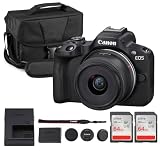
Top 3 picks at a glance
The break-even math
Renting a mid-range mirrorless body and lens runs roughly $50-$120 per day, with weekly rates often discounted to about four days’ price. Buying that same combo might cost $1,500-$2,500. The rough break-even lands around 20-30 rental days: below that, renting is cheaper; above it, ownership wins, and you keep resale value on top.
What ownership really costs
Buying is not just the sticker price. Factor in depreciation, insurance, maintenance, and the opportunity cost of cash tied up in gear that may be outdated in a few years. Cameras lose value faster than lenses, which is a key reason many creators buy lenses and rent bodies.
Decision guide
| Situation | Lean toward |
|---|---|
| Daily / weekly shooting | Buy |
| Occasional big projects | Rent |
| Testing before committing | Rent, then buy |
| Specialty lens used rarely | Rent |
| Core body + everyday lens | Buy |
| Fast-depreciating flagship body | Rent or buy used |
The hybrid approach most creators use
The smart pattern is to own your workhorses and rent your specialties. Buy the camera body and one or two lenses you use every week, since those pay for themselves quickly. Rent the exotic 400mm telephoto, the cinema lens, or the second body you only need for a specific project. You get access to premium glass without the capital or the depreciation hit.
Rent before you buy
Before dropping thousands on a lens, rent it for a weekend. A day or two of real use tells you more than any review about weight, autofocus feel, and whether the look suits your content. Many rental houses even credit part of the rental fee toward a purchase, turning the test into a down payment.
Tax and cash-flow angles
For monetized creators, the choice is not purely about the sticker price; it is about cash flow and taxes. Buying ties up a large sum at once and is typically recovered slowly through depreciation over several years, while renting is usually a straightforward, fully deductible expense in the period you pay it. If your income is seasonal or you are early in your channel’s growth, renting keeps cash free for other needs and matches costs to the projects that generate revenue.
There is also an obsolescence hedge. Camera bodies improve quickly and lose value fast, so buying a flagship means absorbing steep depreciation as newer models arrive. Renting lets you always shoot on current gear without owning a depreciating asset, which is why some professional creators deliberately rent bodies and only buy lenses, which hold value far better and rarely become obsolete. Run a simple annual estimate: if your projected rental days for a given item clearly exceed the 20-30 day break-even, buy it; if they fall short or the item is a fast-depreciating specialty, keep renting and reinvest the freed-up capital into the parts of your setup that pay for themselves every week.
Frequently asked questions
Is renting camera gear risky if it gets damaged?
Rental houses usually offer optional damage waivers for around 10-15% of the rental cost, and your own equipment or credit-card coverage may apply too. Read the liability terms before booking. For expensive rentals the waiver is cheap peace of mind against an accident you would otherwise pay for in full.
Does renting make sense for a beginner?
It can. Renting lets a new creator try different focal lengths and bodies before committing to a system, avoiding an expensive mistake. Once you know what you actually reach for, buy those items and keep renting the rare specialties. Learning your real needs first saves money long term.
Bottom line
Buy the gear you use weekly and rent the gear you need occasionally; the break-even sits around 20-30 rental days. Rent before big purchases to test in the real world, use damage waivers on pricey rentals, and let the hybrid own-workhorses, rent-specialties model keep your cash working.


