
The best DJ headphones for most people are the Sennheiser HD 25: they isolate well, stay light during long sets, swivel for one-ear monitoring, and have replaceable parts. Choose the Audio-Technica ATH-M50x for a fuller, more comfortable home-listening sound, or the Pioneer DJ HDJ-X10 if you need stronger isolation and a more substantial club-focused build.
As an Amazon Associate we earn from qualifying purchases at no extra cost to you.


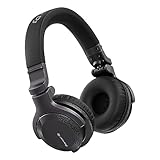

Top 3 picks at a glance
DJ headphones compared by the details that matter
Headphone specs can tell you a model’s weight and frequency range, but they don’t tell you whether its clamp will become tiring after two hours or whether its earcups are easy to position while cueing. Use the comparisons below to match the design to your booth, mixing style, and typical session length.
| Model | Approx. weight | Useful design details | Best fit |
|---|---|---|---|
| Sennheiser HD 25 | 140 g | On-ear, split headband, rotating earcup, replaceable cable and ear pads | Club sets, portability, one-ear cueing |
| Audio-Technica ATH-M50x | 285 g | Over-ear, swiveling earcups, detachable cables, folding design | Home mixing and general listening |
| Pioneer DJ HDJ-X10 | 328 g | Over-ear, flexible swiveling mechanism, detachable cable, replaceable pads | Frequent club use and demanding handling |
| V-MODA Crossfade 2 Wireless | 309 g | Over-ear, folding design, detachable cable, replaceable shields | Travel and listening beyond the booth |
Weights are approximate and may vary slightly by version or measurement method. For actual DJ cueing, use a wired connection: Bluetooth latency can put the cue behind the track playing through the speakers.
Choose by booth, not by frequency-range claims
For loud booths and one-ear cueing: Sennheiser HD 25
The HD 25’s light on-ear construction puts less weight on your head than many full-size models, while its split headband helps it stay positioned. Its rotating earcup is convenient when you monitor the room with one ear and the cue in the other. The trade-off is pressure directly on the ears; some people find that more fatiguing than an over-ear fit, especially with glasses.
Its replaceable cable, pads, and other service parts are useful if the headphones see regular gig use. That repairability can matter more over time than a small difference in advertised frequency response.
For home mixing and longer editing sessions: Audio-Technica ATH-M50x
The ATH-M50x’s over-ear cups can be more comfortable for people who dislike on-ear pressure, and its swiveling earcups support single-ear monitoring. Its bass is pronounced compared with a neutral studio reference, which makes it enjoyable for listening but means you should check kick and bass balance on other speakers before finalizing a mix. Detachable cables make replacement easier if a lead is damaged.
The cups and headband can feel warm during long sessions, and its stronger bass can make low-end decisions less reliable if you treat it as your only reference. For home use, take short breaks and compare your mix on speakers or a second pair with a more neutral tonal balance.
For regular club use and sturdier handling: Pioneer DJ HDJ-X10
The HDJ-X10 is a heavier over-ear option with a swiveling mechanism designed for DJ monitoring and replaceable wear parts. Its size and cushioning may suit people who want a full-size fit and substantial isolation. That extra mass is a compromise: if you move constantly or wear headphones for a long set, compare the fit in person when possible rather than assuming more padding means more comfort.
For travel and mixed listening: V-MODA Crossfade 2 Wireless
The Crossfade 2 Wireless folds for transport and can be used with a cable, making it more versatile outside the booth. Its over-ear fit and weight won’t suit everyone for active mixing, and wireless operation is not the right choice when tight cue timing matters. Treat the wired connection as the DJ mode and wireless as a convenience for travel or casual listening.
Decision matrix: match your situation to a design
| Your situation | What to prioritize | Starting choice |
|---|---|---|
| Loud club, frequent one-ear monitoring | Isolation, low weight, easy earcup positioning | Sennheiser HD 25 |
| Home mixing for several hours | Over-ear fit, manageable clamp, replaceable cable | Audio-Technica ATH-M50x |
| Regular gigs and rougher handling | Serviceable wear parts, secure fit, flexible swivel | Pioneer DJ HDJ-X10 |
| One pair for travel and wired DJ use | Foldability, detachable cable, wired operation | V-MODA Crossfade 2 Wireless |
Check clamp, swivel, and isolation before committing
Clamping force is a personal fit issue, not a number you can reliably infer from a product page. A firm seal usually helps block booth noise, but excessive pressure can cause discomfort around the temples or ears. If you wear glasses, check whether the ear pads press the frames into your head; even a small gap at the temple can also reduce isolation.
Try the headphones in the position you’ll actually use. For one-ear cueing, rotate the cup and see whether the headband stays stable without being held in place. A swivel that is easy to move but feels loose may shift during a set; a stiff mechanism can be awkward to reposition repeatedly. Also check that the cable does not pull the cup out of position when you turn your head.
For home sessions, spend at least 20 minutes wearing a pair before judging comfort. Notice heat, pressure on the top of your head, and whether the pads touch your ears. A lighter on-ear headphone may work better for an active set, while a roomier over-ear fit may be preferable for stationary editing.
Use a volume budget in loud environments
Better isolation can help you hear cue details without raising the headphone level as much. This is a practical advantage: if the room is loud, a well-sealed headphone can make the kick and beat timing clearer at a lower setting. It does not make high volume safe, so start low and raise the level only enough to cue reliably.
A useful booth check is to lower the headphone output until the cue is just clear, then compare it with the room. If you keep turning the headphones up to overcome sound leaking around the pads, improve the fit or choose a more isolating design rather than treating maximum volume as the fix. Take quiet breaks between sets when possible.
What to look for in replaceable parts
- Cable: A detachable lead is easier to replace than a cable that has developed an intermittent connection inside the earcup.
- Ear pads: Pads compress and wear, which can change both comfort and isolation. Check that replacements are available for the exact model.
- Headband and hinges: These take strain during frequent one-ear monitoring. A repairable design can extend the life of a pair, but confirm that the parts are sold separately.
- Connector: Make sure the plug suits your mixer or controller, or that the included adapter is secure enough for booth use.
Frequently asked questions
Can I use DJ headphones for listening to music as well as mixing?
Yes, several of these headphones can serve for both DJ work and general listening. The ATH-M50x is described as suitable for home mixing and general listening, while the V-MODA Crossfade 2 Wireless is intended for travel and listening beyond the booth. The HD 25 is more focused on club sets, portability, and one-ear cueing.
Are over-ear headphones always more comfortable than on-ear headphones for DJing?
No, comfort depends on fit and personal preference. The HD 25 is lighter but places pressure directly on the ears, while the ATH-M50x, HDJ-X10, and Crossfade 2 Wireless use over-ear designs. Over-ear cups may suit people who dislike on-ear pressure, but they can also feel warm or add weight during long sessions.
Why should I avoid Bluetooth when cueing tracks?
Bluetooth can introduce latency, which may place the cue behind the track playing through the speakers. For actual DJ cueing, the article recommends a wired connection. The Crossfade 2 Wireless can be used with a cable, so its wired mode is appropriate for DJ use, while its wireless mode is better treated as a travel or casual-listening convenience.
What should I check if I wear glasses with DJ headphones?
Check whether the ear pads press your glasses frames into your head and whether the frames create a gap near the temples. Excessive pressure can cause discomfort, while even a small gap may reduce isolation. Because clamp is a personal fit issue, try the headphones in the position you will actually use before choosing a pair.
Can replaceable parts extend the useful life of DJ headphones?
Yes, replaceable parts can make a pair more practical for regular use. Detachable cables are easier to replace if damaged, and ear pads can be changed when they compress or wear. For frequent one-ear monitoring, also check whether headband and hinge parts are available separately, and confirm that replacement parts match the exact model.
Bottom line
For a lightweight, repairable pair built around club cueing, start with the Sennheiser HD 25. Pick the ATH-M50x if an over-ear fit and home versatility matter more than a neutral bass presentation. Consider the Pioneer DJ HDJ-X10 for a substantial club-oriented design, or the V-MODA Crossfade 2 Wireless if travel versatility is part of the brief. The best choice is the one that seals without painful clamp, lets you position a cup quickly, and stays comfortable at a sensible listening level.


