
Creating the perfect home streaming setup is no longer just about buying the fastest computer or the sharpest camera. Modern content creators, remote professionals, and live streamers quickly realize that lighting makes or breaks the viewer’s experience. When designing a home studio, the real decision a buyer faces isn’t just about brightness—it is about managing space, physical comfort, aesthetics, and safety in a multi-use room.
The choice between an 18-inch and a 12-inch ring light determines how much physical space you must sacrifice, how warm your workspace will get, and how professional your broadcast looks. Do you opt for a large, commanding studio light that wraps your features in soft, shadowless illumination but requires its own corner of the room? Or do you select a compact, desk-friendly model that plugs directly into a USB port but requires you to sit much closer to the camera? As we design home offices and creative studios in 2026, balancing these practical trade-offs is key to making a smart purchase.
As an Amazon Associate we earn from qualifying purchases at no extra cost to you.


Top 3 picks at a glance
Quick Verdict
If you have a dedicated studio space, stream from a distance of three feet or more, or require professional-grade portrait lighting, the 18-inch ring light is the superior choice. Its high wattage (typically 45W to 60W) and massive surface area provide soft, wrap-around light that minimizes blemishes and creates beautiful, large circular catchlights in your eyes.
However, if you are working from a small desk, need a portable setup, or stream close-up desktop content, the 12-inch ring light is the practical winner. It draws less power (typically 10W to 15W), mounts directly to your desk or a lightweight tripod, and delivers more than enough brightness for close-up video conferencing and casual content creation without cluttering your room.
Side by Side
To help you visualize how these two sizes compare across everyday usability, physical footprint, and long-term value, we have broken down their core differences below:
| Feature | 18-Inch Ring Light | 12-Inch Ring Light |
|---|---|---|
| Comfort & Eye Strain | Excellent diffusion; comfortable from 4–6 feet away. Can feel warm over long sessions. | Comfortable up close (1–3 feet). Low heat output but can cause squinting if turned to max brightness near the face. |
| Durability & Build | Heavy-duty ABS or aluminum casing; requires robust, thick-gauge steel tripods. | Lightweight plastic or thin carbon steel; highly resilient against short drops. |
| Price Range | $70 to $200 (including heavy-duty stands and carry cases) | $25 to $60 (often bundled with desktop clamps or light tripods) |
| Maintenance | Requires secure cord management and periodic tightening of heavy locking joints. | Virtually maintenance-free; simple USB connection and light joints. |
| Space Needed | Requires a 3×3 foot floor footprint for the tripod base; difficult to leave set up on small desks. | Minimal footprint; can clamp to a desk edge or sit on a small tripod behind a monitor. |
| Look & Aesthetics | Professional, imposing studio appearance; prominent in small rooms. | Discreet, minimalist, and easy to hide when not in use. |
| Resale Value | High; sought after by professional makeup artists, videographers, and serious streamers. | Moderate to low; considered a budget-friendly commodity item. |
| Best For | Full-body streaming, professional beauty vlogs, large home studios, and glasses wearers. | Zoom meetings, overhead crafting tutorials, TikTok, and compact desk setups. |
Where 18 Inch Wins
The primary advantage of an 18-inch ring light lies in the physics of light. In videography, a larger light source relative to the subject produces softer, more flattering light. Because the light source wraps around your face from a wider angle, it fills in shadows under the eyes and nose, naturally smoothing out skin texture. If you stream high-definition video, a larger ring light reduces the need for heavy digital smoothing filters.
Power output is another major differentiator. Most 18-inch models operate on AC power, pulling between 45 and 60 watts. This allows them to project light much farther than smaller alternatives. If your camera is positioned four to six feet away—common for product demonstrations, fitness streaming, or multi-person broadcasts—the 18-inch light can easily illuminate the entire scene without losing intensity. Additionally, because the light is spread over a larger physical surface, you can look toward it without the intense, pinpoint glare that smaller, concentrated light sources produce.
Finally, the build quality of 18-inch setups is inherently more robust. To support a light head that often weighs between 3 and 5 pounds, these packages include heavy-duty, reverse-folding light stands with wider footprints. This makes them highly stable, reducing the micro-vibrations that can ruin a video feed if you bump your desk during an intense gaming stream.
Where 12 Inch Ring Light Streaming Wins
While the 18-inch model excels in raw performance, the 12-inch ring light is the undisputed champion of convenience, desk integration, and cost-efficiency. For the vast majority of home streamers who sit directly in front of their monitors, a 12-inch light placed just behind the screen provides the perfect amount of illumination.
Portability and mounting versatility are where these smaller units shine. For instance, the UBeesize 12″ LED Ring Light with 62″ Tripod Stand, Phone Holder & Remote ($32.99) offers a highly adjustable floor stand setup that can easily be collapsed and tucked into a closet when your stream ends. If floor space is completely out of the question, you can opt for a clamp-on solution like the UBeesize 12’’ Overhead Ring Light for Desk with Phone Mount, LED Selfie Light with Adjustable Arm & Clamp, Dimmable Lighting for Video Recording, Zoom, Live Streaming, TikTok, YouTube ($39.98). This style of light mounts directly to the edge of your desk, utilizing an adjustable articulation arm to suspend the light over your monitor or point it downward for top-down crafting, drawing, or unboxing videos.
Power management is also incredibly simple. Most 12-inch models are powered via a standard 5V/2A USB connection. This means you do not need to hunt for an open wall outlet; you can plug the light directly into your computer, a USB hub, or even a portable power bank. This low power draw (usually around 10W) ensures the unit remains cool to the touch, even during marathon eight-hour streaming sessions, keeping your workspace comfortable.
Cost Over 5 Years
When calculating the true cost of ownership for home streaming gear, you must look beyond the initial price tag. Over a five-year period, electricity consumption, replacement parts, and physical wear-and-tear all contribute to the overall investment.
An 18-inch ring light has a higher initial cost, averaging around $100 for a reliable mid-range kit. Running a 50-watt light for 3 hours a day, 300 days a year, consumes approximately 45 kWh annually. Over five years, at an average US electricity rate of $0.16 per kWh, this equates to roughly $36 in power costs. Because these lights are heavier, the locking collars on the tripods bear more stress. Over five years, you may need to replace a worn-out tripod or a proprietary AC power adapter, adding another $30 to $40 to your maintenance budget. Total 5-year cost: approximately $170 to $176.
A 12-inch ring light, such as the UBeesize models, represents a much lower financial commitment. With an initial purchase price of around $35, the upfront cost is minimal. Operating at a frugal 10 watts, the same 3-hour daily streaming schedule consumes just 9 kWh per year, costing less than $7.20 in electricity over a five-year span. Because these units are lightweight, their stands and joints experience very little physical wear. If a USB cable or mount does break, replacements are highly standardized and inexpensive. Total 5-year cost: approximately $42 to $45.
Which One for Your Home
Choosing the right ring light depends heavily on the layout, lifestyle, and constraints of your living space.
Small Apartment
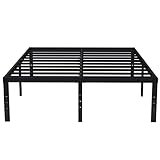
In a compact studio or one-bedroom apartment, floor space is at an absolute premium. Every piece of gear you buy must be easily stored or serve a dual purpose. To maximize your living area, you likely rely on smart storage solutions, such as raising your bed with an EMODA Queen Bed Frame 18 Inch Heavy Duty Tall with Large Storage Space ($53.99) to keep storage bins out of sight. In this environment, an 18-inch ring light with its massive tripod legs will quickly feel like an obstacle. A 12-inch desk-clamp ring light is the ideal match here, as it leaves your floor entirely clear and can be pushed flat against the wall when your workday is done.
Family with Kids or Pets
If your home includes curious toddlers or active pets, safety and stability are your top priorities. A tall, top-heavy 18-inch ring light on a fully extended tripod is a tipping hazard waiting to happen. If a dog bumps into the tripod legs, the heavy light head can easily crash down, causing damage or injury. In a busy household, a 12-inch ring light clamped securely to your heavy wooden desk is much safer. To keep your streaming room comfortable and cool during warm afternoons without creating a safety hazard, you can pair your compact desk light with a stable, wide-base cooling solution like the Lasko Cyclone Oscillating Pedestal Fan – Adjustable to 54″ – 1843 – Black ($45.11) to circulate air safely away from your delicate camera gear.
Rental
Renters must avoid modifying walls or installing permanent ceiling fixtures to preserve their security deposits. An 18-inch light stand can easily scuff drywall or scrape baseboards if moved frequently in tight spaces. A 12-inch ring light with a padded desk clamp or a small, rubber-footed desktop tripod provides excellent, professional lighting without leaving a single mark, dent, or scratch on your landlord’s property.
Long-Term Home
If you own your home and have a dedicated room set aside as a permanent home office or studio, the 18-inch ring light is a worthy investment. You can set up the heavy tripod once, route the cables neatly along the baseboards, and leave it positioned permanently. This gives you access to broadcast-quality lighting whenever you turn on your camera, elevating the production value of your content and giving your workspace a polished, professional aesthetic.
FAQ
Can I power an 18-inch ring light using a standard USB port on my computer?
No. Standard USB 2.0 or 3.0 ports on a computer typically supply only 2.5 to 4.5 watts of power, which is far below the 45 to 60 watts required by an 18-inch ring light. These larger lights require a dedicated AC power adapter plugged directly into a wall outlet to function safely and reach their full brightness.
Which ring light size is better if I wear prescription glasses?
The 18-inch ring light is generally better for glasses wearers. Because of its large diameter, you can place the light farther away and position it slightly higher and to the side of your camera. This angle allows the light to illuminate your face while directing the reflection away from your lenses. A 12-inch light must be placed closer to your face, which often results in two bright white circles reflecting directly in your glasses.
Do I need a separate tripod to use a 12-inch overhead ring light?
Not necessarily. While some models come with traditional floor tripods, many 12-inch overhead models are designed to clamp directly onto the edge of your desk using an adjustable, articulated arm. This eliminates the need for a floor stand entirely, saving valuable floor space around your desk.
Does a larger ring light generate a significant amount of heat?
While modern LED ring lights run much cooler than old-fashioned fluorescent bulbs, an 18-inch LED ring light running at 50 watts will still generate noticeable ambient heat during long streaming sessions. If you work in a small, enclosed room, you may notice the temperature rise by a few degrees, making a nearby fan or air conditioning unit helpful for long broadcasts.


