
Business instant messaging apps have evolved far beyond text-only threads, with spontaneous video huddles, quick check-ins, and persistent video calls becoming the daily standard. Whether you are jumping into a quick Slack huddle or launching an impromptu Microsoft Teams chat, your video presence matters just as much as your audio clarity. Yet, many professionals still rely on muddy, washed-out laptop webcams that struggle with basic office lighting and modern software demands.
Choosing the right peripheral for your workspace requires looking past marketing buzzwords and focusing on the hardware specs that actually impact daily communication. As we evaluate workplace technology standards in 2026, understanding how sensors, lenses, and software interact will help you invest in a reliable tool that keeps your virtual meetings professional, crisp, and distraction-free.
As an Amazon Associate we earn from qualifying purchases at no extra cost to you. Product prices and availability are accurate as of the date shown and are subject to change.
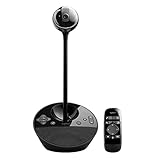
Prioritizing Resolution and Frame Rate for Chat Applications
When selecting a camera for instant messaging, the eternal debate between 1080p and 4K usually boils down to bandwidth and platform support. Most enterprise messaging applications compress video feeds significantly to maintain stable connections during rapid screen-sharing and multi-user calls. Because of this heavy compression, a high-quality 1080p sensor running at a smooth frame rate often outperforms a budget 4K camera that taxes your system resources. Look for sensors that deliver consistent motion handling without introducing distracting artifacts or stutter during quick hand gestures.
Understanding Field of View and Framing
Field of view dictates how much of your office environment is visible to your colleagues during a casual chat. A wide field of view captures your entire room, which might expose distracting background clutter or personal spaces. For standard desktop business setups, a narrower field of view focuses tightly on your upper body and face. Many modern options include adjustable digital zoom or software-based framing tools that automatically keep you centered, ensuring your framing looks intentional and professional during impromptu calls.
The Critical Importance of Low-Light Performance
Office lighting is rarely studio-grade, and natural light shifts dramatically throughout the workday. A sensor with poor low-light sensitivity will produce heavy digital noise, grainy textures, and washed-out skin tones the moment the sun goes down or your overhead lights are dimmed. Look for larger sensor sizes or hardware-level illumination technologies that pull in more ambient light. Good low-light handling ensures that even during late-afternoon syncs or gloomy winter mornings, your video feed remains sharp and clear without requiring an overly complex lighting rig.
Evaluating Microphone Integration and Clarity
While dedicated USB microphones or headsets are ideal for long conference presentations, business instant messaging often relies on speed and spontaneity. Having a reliable built-in microphone on your webcam ensures you can jump into a sudden huddle without scrambling for peripheral gear. Dual beamforming microphones with background noise reduction are particularly useful in busy office environments or shared remote workspaces, as they help isolate your voice while dampening keyboard clatter, HVAC hums, and household background noise.
Mounting Stability and Physical Privacy Features
A secure mounting mechanism prevents your camera from shifting or sagging when you adjust your monitor or type aggressively on your keyboard. Flexible clips that accommodate both thin laptop lids and heavy desktop monitors offer the best versatility. Additionally, physical privacy shutters have transitioned from nice-to-have features to essential workspace requirements. A sliding mechanical shutter or magnetic lens cover guarantees that your camera is optically blocked the second your meeting ends, providing absolute peace of mind regarding workspace privacy.
Software Ecosystems and Plug-and-Play Compatibility
The best business hardware should work seamlessly without requiring you to install bloated background software just to adjust basic settings. Universal UVC compliance ensures true plug-and-play functionality across Windows, macOS, and various enterprise operating systems. However, having access to lightweight companion software allows you to tweak exposure, contrast, and field of view once and save those settings directly to the camera’s onboard memory, keeping your system lightweight and your workflow uninterrupted.
Avoiding Common Buyer Mistakes
Many buyers fall into the trap of overspending on cinema-grade features they will never use in a messaging environment, or conversely, buying ultra-cheap generic options that fail within months. Another frequent mistake is ignoring USB bandwidth limitations; plugging multiple high-resolution capture devices into a single unpowered hub can cause latency and dropped frames. Focus on reliable mid-tier engineering from established manufacturers who provide consistent firmware updates and solid customer support warranties.
Related Guides
If you are exploring different hardware tiers and want to compare specific models side-by-side, be sure to read our comprehensive Best Webcams for Business Instant Messaging guide to find the ideal device for your workflow.
FAQ
Do I need a 4K webcam for business instant messaging?
Most business messaging platforms compress video streams to preserve bandwidth, meaning a high-end 1080p camera often looks just as sharp as a 4K model in practice. Unless your workflow specifically involves heavy local video recording or advanced digital cropping, a reliable 1080p sensor is more than sufficient.
How do I stop my webcam from making me look washed out in low light?
Look for a webcam equipped with a larger physical sensor designed to capture more ambient light effectively. Additionally, supplementing your setup with a simple desk lamp or monitor light bar can dramatically improve overall image clarity.
Are built-in webcam microphones good enough for daily calls?
Many modern webcams feature dual beamforming microphones that handle casual huddles and quick check-ins quite well. However, if you work in a noisy environment or handle critical client presentations, a dedicated headset or standalone USB microphone remains the better choice.
Why is a physical privacy shutter important?
A physical privacy shutter completely blocks the camera lens mechanically, ensuring that even if your system is compromised or software fails, your workspace remains private. It provides absolute certainty that you are not broadcasting when you intend to be offline.
Related guides
- How to Choose Green Screens for Video: What Actually Matters
- How to Choose Dynamic RGB Key Lights for Face Illumination: What Actually Matters
- osee GoStream Deck HDMI Pro Live vs Cinetreak Stream 1 4K Live Streaming: Which Should You Buy?
- Webcam Streaming Kit vs Twitch Master Live Streaming on Twitch: Which Should You Buy?

