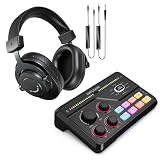
Picking a gaming headset comes down to one fork in the road: wired or wireless. Wired models plug into a controller or a 3.5mm port and never need charging, which is why they dominate the budget and mid-range tiers. Wireless models trade a cable for a USB dongle or Bluetooth link and a battery that must be topped up, and they cost more for that freedom. Before comparing drivers or microphones, decide how you play, because the answer narrows the field immediately. A shared living room, a noisy dorm, and a quiet desk each call for a different headset.
This guide is for PC and console players shopping in 2026 who want a clear comparison of six popular headsets. It covers wired and wireless options from familiar brands, and judges each one using only the details in its listing. You will find thresholds for driver size, battery hours, and platform support, plus scenarios that tie a specific model to a specific kind of player.
Our Top Picks
Top 3 picks at a glance
Quick Picks
As an Amazon Associate we earn from qualifying purchases at no extra cost to you.




| Product | Best for | Key spec from the title |
|---|---|---|
| Razer BlackShark V2 X | Wired play on PC and consoles | 50mm drivers, 7.1 surround, 3.5mm jack |
| HyperX Cloud III | Comfort and a stronger microphone | Angled 53mm drivers, spatial audio, memory foam |
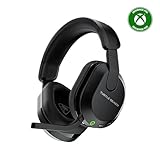
| Turtle Beach Stealth 600 | Wireless play on Xbox and PlayStation | Wireless, Bluetooth, multiplatform |
| BENGOO G9000 | Lowest-cost wired option | Stereo, 7.1 surround, noise cancelling mic, LED light |
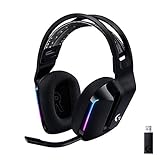
| Logitech G733 | Lightweight wireless on PC | Lightspeed wireless, suspension headband, Blue VO!CE mic |
| SteelSeries Arctis Nova 5 | Long battery and multi-system use | 60-hour battery, 2.4GHz or Bluetooth, ClearCast mic |
How to Choose
Wired or wireless, and which platform
Wired headsets with a 3.5mm connector work with controllers, PCs, and many phones with no setup. Wireless models use either a 2.4GHz USB dongle for low latency or Bluetooth for convenience, and some offer both. Wireless audio also adds a small delay on Bluetooth, which is why many players keep a wired backup. Check that the headset names your platform: console headsets are often sold in separate Xbox and PlayStation versions, and a USB dongle that works on PlayStation may not work on Xbox. A multiplatform listing saves you from a mismatch.
Drivers, surround claims, and sound signature
Driver size in the 40mm to 53mm range is typical, with larger drivers usually offering fuller bass, though tuning matters more than size. Treat 7.1 surround as a software feature that varies in quality, and treat spatial audio as a similar processing option. Comfortable earcups and a balanced sound beat marketing terms. Ignore claims about frequency ranges, since they say little about how a headset sounds during real play. A comfortable fit and a stable seal are better predictors of satisfaction than any number on the box.
Microphone and comfort
A removable or flip-to-mute boom microphone is more useful than a fixed one, and a cardioid pickup pattern helps reduce background noise. For long sessions, look for memory foam earcups, a suspension or padded headband, and a weight listed in grams. Players who wear glasses should favor soft, deep earcups that avoid pressure on the frame. Over-ear designs also block more room noise than on-ear designs, which helps in shared spaces. Lightweight designs reduce neck fatigue during marathon sessions.
Battery life and where budget models cut corners
For wireless headsets, aim for at least 20 hours of listening, and note that some models claim 60 hours or more. Budget models often cut corners on build quality, with plastic headbands that creak, and on microphone clarity. LED lighting and surround badges are cheap to add and say little about audio quality. Spend your budget on comfort, microphone quality, and a connection that suits your platform. Remember that a cable adds no latency and no charging chore, which is why many competitive players stay wired. If the headset will be shared among family members, an adjustable headband and easily cleaned earcups are also worth a look.
The 6 Best Options
Razer BlackShark V2 X
The BlackShark V2 X is a wired headset built around 50mm drivers and 7.1 surround sound. The listing names a memory foam cushion and compatibility with PC, PS4, PS5, and Switch through a 3.5mm audio jack. Separate Xbox and PlayStation versions appear in the listings with a cardioid microphone and lightweight, noise-isolating earcups, so pick the one that matches your console.
- Strength: 50mm drivers and a memory foam cushion are stated.
- Strength: The 3.5mm connection works with PCs, controllers, and handheld consoles without setup.
- Trade-off: It is wired, so cable length and routing matter, and there is no wireless option.
Skip it if you want wireless freedom or a USB-based connection with extra software features. Players who need a headset that works across platforms without a dongle will appreciate the simplicity. Because the listing stresses a cardioid microphone and noise isolation, it also suits noisy rooms where teammates need to hear you clearly.
HyperX Cloud III
The Cloud III is a wired headset aimed at players who prioritize comfort and a clear microphone. The title lists angled 53mm drivers, spatial audio, memory foam, a durable frame, and an ultra-clear 10mm microphone, with support for PC, PS5, and Xbox Series X and S. It fits buyers who spend long hours in a headset and want a more premium build.
- Strength: Angled 53mm drivers and memory foam target long-session comfort.
- Strength: A durable frame and a clear microphone are named in the title.
- Trade-off: It is wired, and it sits at a higher tier than entry-level headsets.
Skip it if you want wireless play or the lowest possible tier. Anyone who only chats occasionally may not need the microphone emphasis. The premium build also suggests it is meant to last, which counts for players who wear a headset every day.
Turtle Beach Stealth 600
The Stealth 600 is the wireless console-oriented option. The listing says it works with Xbox, PS5, PC, and mobile, with Bluetooth support and multiplatform wording, and a battery figure that is cut off in the title. It suits console players who want to drop the cable and use one headset across devices.
- Strength: Wireless operation across Xbox, PlayStation, PC, and mobile is listed.
- Strength: Bluetooth adds a way to connect to a phone.
- Trade-off: The title does not state battery hours in full, so check the product page.
Skip it if you prefer a wired connection that never needs charging, or if you want a verified platform match before ordering. Players on a tight budget may look at wired models. Remember that wireless headsets add a charging routine to your evening.
BENGOO G9000
The G9000 is the budget wired pick. The title lists a stereo headset for PS4, PC, Xbox One, and PS5 controllers, with noise cancelling over-ear design, a microphone, LED light, and 7.1 surround sound. It fits shoppers who want the lowest cost of entry and are happy with a plain, wired setup.
- Strength: Wide platform support is named for PC and major consoles.
- Strength: LED light and a microphone are included at a budget tier.
- Trade-off: Virtual 7.1 and LED lighting are marketing features, and build quality at this tier is basic.
Skip it if you want premium comfort, a detachable microphone, or wireless freedom. Treat the LED lighting and surround claims as extras, and expect to replace the headset sooner than a pricier model.
Logitech G733
The G733 is the lightweight wireless pick for PC. The title lists Lightspeed wireless, a suspension headband, a Blue VO!CE microphone, PRO-G audio, and compatibility with PC, PS5, PS4, and Switch. It fits players who care about a lighter feel and a low-latency connection more than a long feature list.
- Strength: A suspension headband spreads weight for long sessions.
- Strength: Lightspeed wireless is listed for a low-latency connection.
- Trade-off: The title does not mention Xbox, so check compatibility if you play there.
Skip it if you play on Xbox or want a wired headset that never needs charging. Competitive players who value an ultralight feel should still confirm the weight on the product page, since the title does not give a figure.
SteelSeries Arctis Nova 5
The Arctis Nova 5 is a multi-system wireless headset with a long battery. The listing mentions neodymium magnetic drivers, a 60-hour battery, 2.4GHz or Bluetooth connection, and a ClearCast Gen2.X microphone, and it is described as multi-system. It suits players who switch between PC, console, and phone and dislike charging.
- Strength: A 60-hour battery claim reduces how often you must plug in.
- Strength: 2.4GHz and Bluetooth options cover both low-latency play and phone use.
- Trade-off: It sits in the mid-range to premium tier, so it costs more than wired models.
Skip it if you want a wired setup or the lowest cost of entry. The title also cuts off after the microphone name, so read the full specification page for the remaining details before ordering.
Which One Fits Your Situation
You play on PC and consoles with one headset
The Razer BlackShark V2 X works through a 3.5mm connection and avoids dongle compatibility issues. Its listing also names noise-isolating earcups and a cardioid microphone, which helps in shared rooms where late-night sessions should not carry to the next room.
You game for hours and care about comfort
The HyperX Cloud III lists angled 53mm drivers, memory foam, and a durable frame.
You want wireless and long battery life
The SteelSeries Arctis Nova 5 lists a 60-hour battery and both 2.4GHz and Bluetooth connections.
You are on a tight budget
The BENGOO G9000 is the lowest tier here and still names a microphone and wide platform support.
Common Mistakes
- Buying a wireless dongle headset without confirming it works on your console.
- Paying extra for 7.1 surround as if it were a hardware feature.
- Ignoring weight and earcup depth, which decide comfort more than driver size.
- Choosing on LED lighting rather than on microphone quality.
- Forgetting that wired headsets still need the right plug type for controllers and consoles.
Related guides
- When I Turn On Record Game In Background On Gamebar. Gamebar Crashes, What Do I Do?
- How To Reduce Background Noise On A Streaming Microphone
- Poly Computer Accessories Company Streaming Evaluation
Frequently Asked Questions
Is wireless good enough for competitive play?
A 2.4GHz dongle connection is designed for low latency and is fine for most players. Bluetooth is better for phones and casual use. If you play on more than one device, look for a model that lists both connection types.
Do I need 7.1 surround?
Not really. It is software processing that can help with direction in some games, but a well-tuned stereo headset is usually the better value. Footsteps and directional cues in shooters depend as much on good tuning and quiet earcups as on any surround label.
Will a 3.5mm headset work on my controller?
Yes, on most modern controllers and on PCs with a combined jack. Some PCs use separate microphone and headphone jacks and need a splitter. Check the connector on your controller as well, since a few older designs use a different plug.
How important is the microphone?
For voice chat, it matters a lot. A removable or flip-to-mute boom mic with a cardioid pattern is more useful than a long feature list. Try to find a mute indicator too, so teammates are never surprised by a hot mic.