
The Short Answer
Whether premium sound treatment is a smart investment depends on one critical factor: the acoustic and visual demands of your streaming environment. If you are streaming from a dedicated room where you need to control muddy low-mid frequencies (such as deep vocal resonance) and you want your camera-facing background to look professional, then yes, expensive acoustic panels are absolutely worth it.
However, this comes with one strict condition: your audio chain must already be optimized. If you are still using a budget USB microphone or have poor microphone placement, spending hundreds of dollars on premium wood-slat or fiberglass panels will not save your sound. Premium acoustic treatment is the final 10% to 20% polish that elevates a good setup into a broadcast-grade studio.
As an Amazon Associate we earn from qualifying purchases at no extra cost to you.

What You Actually Get
To understand if premium panels are worth your hard-earned money, you have to look at what separates a $150-to-$300 professional treatment package from a $60 bulk pack of acoustic foam. If you are designing a high-end broadcast space, you might wonder: are expensive acoustic panels worth it for home streaming? The answer lies in the physics of sound and the quality of the materials used.
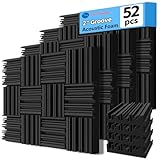
Cheap acoustic foam—typically sold in large multi-packs of 12″ x 12″ x 2″ tiles—is made of low-density polyurethane. This material generally has a density of around 1.2 to 1.5 pounds per cubic foot (lbs/cu ft). Because it is thin and lightweight, it only absorbs very high frequencies (typically 1,000 Hz and above). While it will stop high-pitched “flutter echo” (like the sound of clapping your hands), it does absolutely nothing for the low-mid frequencies (250 Hz to 500 Hz) where the human voice actually lives. This leaves your stream sounding “boomy” or “muddy.”
Expensive acoustic panels use entirely different materials and construction methods:
- High-Density Cores: Instead of light polyurethane foam, premium panels use dense fiberglass (such as Owens Corning 703, which has a density of 3 to 6 lbs/cu ft) or heavy-duty rockwool. These materials are much more effective at trapping longer, lower-frequency sound waves.
- Superior Noise Reduction Coefficient (NRC): NRC ratings range from 0 (perfect reflection) to 1 (perfect absorption). While cheap 2-inch foam often has a real-world NRC of around 0.50 to 0.60 (and drops to near zero at lower frequencies), a premium 2-inch fiberglass or wood-slat panel regularly achieves an NRC of 0.85 to 1.00, absorbing sound evenly across the entire vocal spectrum.
- Furniture-Grade Aesthetics: Professional panels are designed to be seen on camera. Whether they are fabric-wrapped panels with clean, beveled edges or architectural wood-slat panels featuring real wood veneers over thick, sound-absorbing felt backing, they look like high-end interior design rather than a makeshift gaming cave.
- Durability and Safety: Cheap foam is notorious for off-gassing chemical odors, crumbling after a few years of UV exposure, and being highly flammable. Premium panels are wrapped in class-A fire-rated fabrics and built with rigid internal frames that do not warp or degrade over time.
As we look at the standards for home broadcasting in 2026, viewers expect both studio-grade audio and high-end visual aesthetics. Premium panels address both needs simultaneously.
Pros
- Balanced Vocal Clarity: By absorbing lower-mid frequencies, expensive panels eliminate the “room honk” and boominess, making your voice sound rich, clear, and intimate, even on standard dynamic microphones.
- Professional On-Camera Visuals: Premium wood-slat panels or clean fabric-wrapped designs instantly elevate your background, making your stream look like a high-budget production.
- Fewer Panels Required: Because high-density panels are so much more efficient, you only need to cover 15% to 20% of your wall space to get the same acoustic results that would require 50% coverage with cheap foam.
- Long-Term Durability: These panels do not crumble, change color under sunlight, or lose their shape, meaning you only have to buy them once.
- Property Value & Safety: Architectural wood-slat panels can be permanently installed as an accent wall, adding actual aesthetic value to your home while meeting strict residential fire safety codes.
Cons
- High Upfront Cost: Setting up a room with premium treatment can easily run between $200 and $600+, compared to under $100 for basic DIY foam.
- Heavy and Complex Installation: While cheap foam can be hung with simple double-sided tape, premium panels weigh anywhere from 5 to 15 pounds each. They require wall anchors, mounting brackets, or heavy-duty construction adhesives.
- Not Rental-Friendly: Because of their weight and mounting requirements, installing premium panels (especially large 96-inch wood-slat panels) can cause significant drywall damage that must be repaired when you move out.
- Risk of “Over-Deadening” the Room: If you install too many high-efficiency panels, you can make your room sound unnaturally quiet, which can make speaking for long periods feel tiring or disorienting.
Who Should Buy It
You should invest in expensive acoustic panels if you are a full-time or aspiring professional streamer, podcaster, or remote executive who spends hours on camera every day. If your streaming setup is located in a highly visible area of your home, such as your living room or a dedicated home office, premium panels allow you to treat your sound without ruining your home’s decor. Furthermore, if you have a naturally deep voice or use a high-gain condenser microphone, the superior low-frequency absorption of dense panels is practically a necessity to prevent your audio from sounding muddy.
Who Should Skip It
You should skip expensive panels if you are a casual hobbyist streamer, if you stream with a headset microphone that sits right next to your mouth (which naturally minimizes room reflections), or if you are renting an apartment with strict rules against drilling into walls. Additionally, if your room suffers from heavy outside noise—like traffic, barking dogs, or loud family members—remember that acoustic panels are designed for absorption (improving sound inside the room), not soundproofing (blocking sound from entering or leaving). If your primary goal is to block outside noise, expensive panels will not solve your problem.
Cheaper Alternatives
If you aren’t ready to drop hundreds of dollars on premium acoustic panels, there are several budget-friendly alternatives that can help control your room’s echo. The table below outlines these options, their estimated costs, and what you sacrifice by choosing them.
| Option | Estimated Cost | Trade-off |
|---|---|---|
| High-Density Foam Panels | $1.20 – $2.50 per sq. ft. | Only absorbs high-frequency flutter echo; looks cheap and industrial on camera; can deteriorate and crumble over time. |
| DIY Rockwool Panels | $5.00 – $10.00 per sq. ft. | Matches premium performance, but requires woodworking tools, physical labor, time, and safety gear to handle fiberglass/rockwool. |
| Heavy Moving Blankets | $1.50 – $3.00 per sq. ft. | Decent broadband absorption, but looks highly unprofessional on camera; difficult to mount cleanly without industrial stands or hooks. |
| Household Furnishings (Bookshelves, Rugs) | Free (using what you have) | Inconsistent sound absorption; cannot be easily placed at exact “first-reflection” points on your walls; takes up significant floor space. |
FAQ
Do expensive acoustic panels block outside noise?
No. Acoustic panels are designed for sound absorption, which stops sound waves from bouncing around inside your room and creating echo. They do not have the mass required to block sound from entering or leaving the room. To block outside noise (soundproofing), you need dense construction materials like green glue, extra drywall, or specialized heavy doors.
How many premium panels do I actually need for a standard streaming room?
For a standard 10′ x 12′ home office, you do not need to cover every wall. Because premium panels are highly efficient, covering just 15% to 20% of your wall space (about four to six large 24″ x 48″ panels, or a single accent wall of wood-slat panels) placed at your “first reflection points” is usually enough to achieve excellent vocal clarity.
Can I use wood slat panels on the ceiling?
Yes. Mounting premium wood-slat panels on the ceiling is an excellent way to catch vertical sound reflections (especially if you have hard wood floors) while creating a striking architectural feature. However, because these panels are heavy, they must be screwed directly into ceiling joists or secured with professional-grade construction adhesive to ensure they do not fall.
Is cheap foam completely useless for streaming?
Not completely. Cheap foam is useful for taming harsh, high-frequency sounds like keyboard clicks, mouse clicks, and high-pitched vocal sibilance (“S” sounds). If you are on a tight budget and stream with a dynamic microphone placed very close to your mouth, a few strategically placed cheap foam panels can help clean up your high-end audio, though they won’t fix mid-range muddiness.


