
Two hosts, two microphones, one small room — and suddenly every flaw in your audio chain is obvious. One mic sounds hollow, the other picks up keyboard clicks, and your single-input interface forces you to share or daisy-chain with an adapter that adds hiss. For dual-microphone podcasting, you need two clean preamps, independent gain control, and zero-latency monitoring so both voices sit at the same level without fighting in post.
The right interface solves that problem before you hit record, handling everything from XLR condensers to a guitar or phone line-in while keeping setup simple on a desk, dining table, or closet studio. We focused on options that actually support two mics at once, play nicely with PC, Mac, and mobile devices, and cover a range of budgets and use cases. As of early 2026, these eight stand out for dual-mic podcasters who want reliable, listenable results without overcomplicating the workflow.
As an Amazon Associate we earn from qualifying purchases at no extra cost to you.





Our Top Picks
 MAONO E2 Gen2 Podcast Equipment Bundle Audio Interface9.64 x 6.18 x 2.16 inches2 PoundsCheck on Amazon
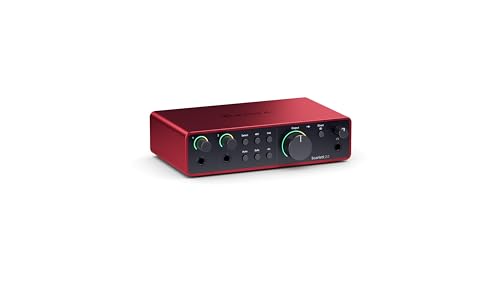 Focusrite Scarlett 2i2 4th Gen USB-C Audio Interface7.09 x 3.9 x 1.79 inches1.73 PoundsCheck on Amazon


Top 3 picks at a glance
Quick Picks
| Product | Best for | Price |
|---|---|---|
| MAONO P2 Hybrid USB Audio Interface Dual XLR for PC Phone iPad Guitar | Best Hybrid Connectivity for Cross-Device Creators | Check on Amazon |
| MAONO E2 Gen2 Podcast Equipment Bundle Audio Interface Mixer | Best Value All-in-One Bundle for Beginners | Check on Amazon |
| Focusrite Scarlett 2i2 4th Gen USB-C Audio Interface | Best Sound Quality for Growing Podcasts | Check on Amazon |
| M-AUDIO M-Track Duo USB Audio Interface | Best Budget Interface for Simple Two-Mic Setups | Check on Amazon |
| Cubilux CB5 USB Audio Interface for Recording, Streaming, Podcasting, USB to 3.5mm Sound Card with Stereo Microphone Input, Line-In, Line-Out & Headphone Jack for Monitors, Support Windows & Mac OS | Best Ultra-Compact Option for Minimal Desks | Check on Amazon |
| Focusrite Scarlett 2i2 Studio 4th Gen USB-C Audio Interface Bundle | Best Complete Studio Bundle | Check on Amazon |
| MAONO E2 Gen2B Podcast Equipment Bundle for 2, Dual XLR Condenser Mic Mixer | Best Bundle for Two Hosts Out of the Box | Check on Amazon |
| NEEWER MM01 Dual Channel Microphone Audio Mixer Adapter with 3.5mm TRS Cable, Stereo/Mono Switch, Cold Shoe Mounts for DSLR Camera, Smartphones, Battery Powered Microphones for Video Recording | Best Minimal Adapter for Camera and Phone Recording | Check on Amazon |
How We Compared
We prioritized true dual-mic capability first. Every pick had to support two simultaneous microphone inputs, either via dual XLR/TRS combo jacks, dedicated dual XLR, or stereo mic modes, so co-hosts can record on separate tracks or a balanced stereo mix. We also weighed preamp headroom and gain range for popular dynamic and condenser mics, driver stability across Windows and Mac OS, and compatibility with mobile workflows like iPad and phone recording where relevant.
Ease of use and monitoring mattered just as much as sound. We favored interfaces with intuitive gain controls, direct monitoring or low-latency headphone outs, and clear input metering to prevent clipping during conversation. Finally, we balanced price against what is included — from bare-bones interfaces to full bundles with mics, headphones, and cables — to cover solo creators adding a second mic, duos starting from scratch, and upgraders who want a long-term front end without paying for features they will not use.
The 8 Best Picks
1. MAONO P2 Hybrid USB Audio Interface Dual XLR for PC Phone iPad Guitar
The MAONO P2 is built for creators who bounce between computer, phone, and tablet. With dual XLR inputs plus instrument support, it handles two mics for interview-style podcasts and doubles for guitar or line sources when you want to record an intro jingle. Setup is straightforward, and the hybrid USB design makes it a practical hub for a compact home studio that also records on an iPad. At around $99, it sits in the sweet spot between budget and step-up interfaces without requiring a separate mixer.
- Pro: Dual XLR with flexible device support for PC, phone, and iPad
- Pro: Handles vocals and instrument input in one compact unit
- Con: Lacks the bundled mics and accessories of full podcast kits
When to skip: If you want an all-in-one bundle with microphones and headphones included, choose a dedicated podcast bundle instead.
2. MAONO E2 Gen2 Podcast Equipment Bundle Audio Interface Mixer
For new podcasters who want to unbox and record, the MAONO E2 Gen2 bundle removes guesswork. The mixer-style interface gives you hands-on control over two mics, sound pads, and monitoring, which helps keep energy up during dual-host episodes. It is clearly aimed at beginners who value workflow over technical tweaking, with a layout that makes muting, effects, and level rides easy mid-conversation. Priced at around $110, it offers a lot of hardware for the money for first shows and livestreams.
- Pro: Mixer workflow with tactile controls ideal for live podcasting
- Pro: Bundle approach saves separate purchases for first-time hosts
- Con: Mixer footprint takes more desk space than a minimal 2-in/2-out interface
When to skip: If you prefer a compact, studio-focused interface with traditional gain knobs and software control, look at a 2-channel desktop interface.
3. Focusrite Scarlett 2i2 4th Gen USB-C Audio Interface
The Scarlett 2i2 4th Gen is the benchmark for creators ready to invest in cleaner preamps and reliable drivers. Its two upgraded preamps provide ample clean gain for dual dynamic mics, while USB-C connectivity and robust headphone output make co-host monitoring comfortable during long takes. The industrial design is compact enough for a small desk but feels built for daily use, and Focusrite’s software bundle adds value for editing and processing. At around $220, it is a clear step up for podcasts that need polished, consistent audio.
- Pro: High-quality preamps with low noise for two-mic conversations
- Pro: Stable USB-C performance and strong headphone amp for monitoring
- Con: Higher price than entry-level interfaces and bundles
When to skip: If your budget is under $100 or you need mics and headphones included, a bundle will stretch your dollar further.
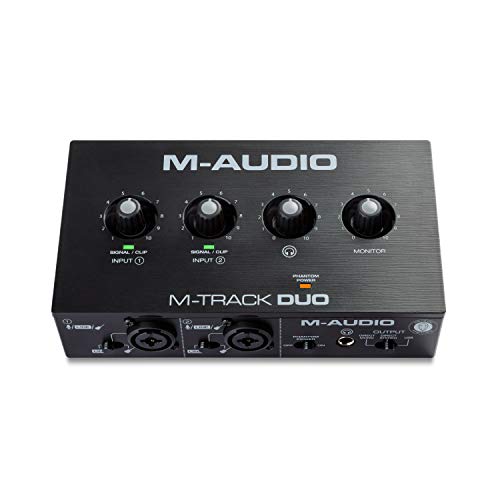
4. M-AUDIO M-Track Duo USB Audio Interface
The M-AUDIO M-Track Duo keeps dual-mic podcasting simple and affordable. It provides two combo inputs so you and a guest can each have a dedicated mic with independent gain, plus direct monitoring to catch plosives and crosstalk in real time. There is no steep learning curve — plug in, set levels, and record — which makes it ideal for hobbyists, students, and interview podcasts that do not need onboard effects. At around $69, it is one of the most accessible ways to get true two-mic recording without compromise.
- Pro: Straightforward two-channel design with independent gain control
- Pro: Very affordable entry point for dual-microphone recording
- Con: Limited extra features like sound pads or built-in DSP effects
When to skip: If you want an all-in-one mixer with sound effects and streaming controls, choose a podcast mixer bundle.
5. Cubilux CB5 USB Audio Interface for Recording, Streaming, Podcasting, USB to 3.5mm Sound Card with Stereo Microphone Input, Line-In, Line-Out & Headphone Jack for Monitors, Support Windows & Mac OS
The Cubilux CB5 is for creators who need the smallest possible footprint. This USB to 3.5mm sound card-style interface supports stereo microphone input alongside line-in, line-out, and headphone monitoring, covering dual-mic style recording, streaming, and casual podcasting without a large chassis. It is best suited to 3.5mm-based mics and compact setups where desk space is tight and you want quick plug-and-play support for Windows and Mac OS. At around $30, it is a low-risk way to add dual mic capability to a laptop.
- Pro: Ultra-compact design with headphone and monitor connections
- Pro: Simple USB solution for 3.5mm mic workflows and streaming
- Con: Not a dual-XLR interface for professional XLR microphones
When to skip: If you use dual XLR condenser or dynamic mics that need phantom power and XLR preamps, pick a dual-XLR interface.
6. Focusrite Scarlett 2i2 Studio 4th Gen USB-C Audio Interface Bundle
When you want everything matched from day one, the Scarlett 2i2 Studio 4th Gen bundle delivers. You get the respected 2i2 interface plus a condenser mic, closed-back headphones, and cables — enough to run a proper dual-mic setup once you add a second mic. The value is in cohesion: the interface’s clean gain, the mic’s detailed capture, and the headphones’ accurate monitoring work together so both hosts sound consistent. At around $330, it costs more upfront but saves time sourcing compatible gear separately and sets a solid foundation for growth.
- Pro: Curated bundle with interface, mic, headphones, and cables included
- Pro: Same excellent 4th Gen preamps and USB-C reliability as the standalone 2i2
- Con: Still requires a second XLR mic for true dual-host recording
When to skip: If you already own mics and headphones, the standalone Scarlett 2i2 offers the same interface quality for less.
7. MAONO E2 Gen2B Podcast Equipment Bundle for 2, Dual XLR Condenser Mic Mixer
The MAONO E2 Gen2B is purpose-built for two-person podcasting. Unlike single-mic bundles, this kit includes dual XLR condenser mics and a mixer that lets each host control their own level, which is essential for balanced dialogue and easier editing. The mixer layout keeps essential controls at your fingertips, from mic faders to monitoring, so you can stay focused on conversation rather than software. At around $180, it is a smart middle ground between cheap starter kits and piecing together pro gear separately.
- Pro: True two-host bundle with dual XLR condenser mics included
- Pro: Hands-on mixer control for live level balancing and monitoring
- Con: Bundle mics may be outgrown sooner than premium standalone mics
When to skip: If you already own two quality XLR mics, a standalone dual-XLR interface will be more streamlined.
8. NEEWER MM01 Dual Channel Microphone Audio Mixer Adapter with 3.5mm TRS Cable, Stereo/Mono Switch, Cold Shoe Mounts for DSLR Camera, Smartphones, Battery Powered Microphones for Video Recording
The NEEWER MM01 is not a traditional USB interface, but it solves a specific dual-mic problem for video podcasts. This dual-channel adapter mixes two 3.5mm mics into a single camera or smartphone input, with stereo/mono switching and cold shoe mounts for rigging on a DSLR. It is ideal for on-the-go interviews, video podcasts, and social clips where you need two lavs or small mics feeding one recorder without a full interface. At around $15, it is an inexpensive bridge for mobile and camera-centric creators.
- Pro: Enables two 3.5mm mics into one camera or phone input
- Pro: Compact with stereo/mono switch and cold shoe mounting
- Con: No USB audio interface functionality or XLR support
When to skip: If you record to a computer with XLR mics and need USB connectivity and phantom power, choose a USB audio interface.
Buying Guide
Do You Really Need Dual XLR?
For dual-microphone podcasting, dual XLR or combo XLR/TRS inputs are the most future-proof choice. They support both dynamic mics like the SM58-style workhorses and condensers that need 48V phantom power, give you independent preamps and gain knobs, and allow separate tracks in your DAW for cleaner editing. If your mics are 3.5mm lavs or headset mics, a 3.5mm stereo input or dual-channel adapter can work, but you will be limited on mic upgrades and gain control. Choose XLR if you plan to grow.
Monitoring, Latency, and Workflow
Look for direct monitoring or low-latency headphone outs so both hosts can hear themselves without distracting delay. Independent gain, a headphone volume knob, and visible level metering help you keep voices balanced and avoid clipping when someone laughs or leans in. Mixer-style bundles add sound pads, mute buttons, and live effects that are fun for streaming, while minimalist interfaces keep the signal path short and rely on software for processing. Pick the workflow you will actually use episode after episode.
Connectivity and Compatibility
Confirm the interface matches your recording device. USB-C is now standard and works across most modern laptops, while some hybrid interfaces also support phones and tablets — useful if you record interviews on an iPad or want a portable rig. Check operating system support for Windows and Mac OS, and whether you need USB bus power or an external supply. For camera or phone video podcasts, a small dual-channel adapter may be more practical than a desktop interface, but it will not replace a USB interface for computer-based editing.
Our Verdict
For most dual-microphone podcasts, the Focusrite Scarlett 2i2 4th Gen at around $220 remains the best long-term investment thanks to its clean preamps, dependable drivers, and compact USB-C design. If you need mics and headphones included, the MAONO E2 Gen2B bundle at around $180 is the most complete two-host kit without overspending. On a tight budget, the M-AUDIO M-Track Duo at around $69 nails the basics with true two-channel recording, while the MAONO P2 at around $99 is the versatile pick for creators who move between PC, phone, and iPad. Choose based on your mic types and how you like to work, and you will have a front end that makes editing easier and both voices sound their best.
FAQ
What is the difference between an audio interface and a mixer for podcasting?
An audio interface converts microphone signals to digital audio for your computer and usually provides one or two high-quality preamps with USB output, which is ideal for recording separate tracks in software. A mixer blends multiple inputs and often adds hands-on faders, mutes, and sound effects, which is great for live control and streaming. Many podcast bundles combine both, but for dual-mic editing flexibility, prioritize an interface that records each mic to its own track.
Do I need phantom power for two mics?
You only need 48V phantom power if you use condenser microphones. Dynamic mics do not require it and should have phantom power turned off. If your bundle includes condenser mics, make sure your interface or mixer supplies phantom power to both XLR inputs. Most dual-XLR interfaces in this roundup do, while compact 3.5mm adapters and sound card-style devices generally do not.
Can I record two USB mics instead of using an interface?
It is possible on some computers, but it is unreliable. Two USB mics often create clocking issues, inconsistent levels, and limited monitoring, and many recording apps struggle to handle two USB inputs at once. A single dual-input interface with two XLR or combo jacks gives you matched preamps, shared clocking, and proper headphone monitoring, which results in cleaner, more balanced dual-mic episodes.
What else do I need for a two-person podcast setup?
Beyond the interface, you will want two matching XLR mics, closed-back headphones for each host to prevent bleed, mic stands or boom arms, and XLR cables. A bundle like the Scarlett 2i2 Studio or MAONO E2 Gen2B covers much of that, though you may still need a second mic or extra headphones. Add a simple DAW or podcast recording app that supports multi-track recording so you can edit each voice independently.


