
A gaming PC built around a current GPU and 16GB or more of RAM handles most consumer video editing software without issue, since the same hardware that renders game frames also accelerates editing effects and export encoding. Our overall pick is the Qehi Gaming PC Desktop with an RX 9060 XT at around $950, the newest GPU generation in this roundup, though budget editors just starting out should look at the STGAubron R7 5700X build for a lower-cost RTX 3050 option instead.
Top 3 picks at a glance


Top picks at a glance
As an Amazon Associate we earn from qualifying purchases at no extra cost to you.

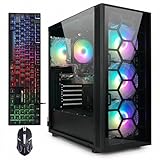
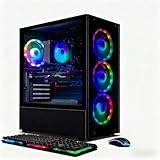


| Model | Key spec | Price | Best for |
|---|---|---|---|
| Qehi Gaming PC Desktop | Ryzen 7, RX 9060 XT 8GB GDDR6 | Check on Amazon | Overall pick, newest GPU |
| STGAubron (Core I5, RX 560) | Core I5, RX 560 4GB, 16GB RAM | Check on Amazon | Lightest budget entry |
| STGAubron (Core I7, GTX 1660Ti) | Core I7, GTX 1660Ti 6GB, 16GB RAM | Check on Amazon | Balanced older-gen value |
| STGAubron (R7 5700X, RTX 3050) | R7 5700X, RTX 3050 6GB, 16GB DDR4 | Check on Amazon | Best budget editing build |
| STGAubron (R5 2600, RTX 2060) | R5 2600, RTX 2060 6GB, 16GB DDR4 | Check on Amazon | Mid-tier GPU, older CPU |
| STGAubron (i7-6700, RTX 2060) | Core I7-6700, RTX 2060 6GB, 16GB DDR4 | Check on Amazon | Older CPU, current-gen GPU |
| STGAubron (Core I5, GTX 750Ti) | Core I5, GTX 750Ti 4GB, 16GB RAM | Check on Amazon | Lowest price, light cuts only |
| STGAubron (R5 2600, RTX 3050) | R5 2600, RTX 3050 6GB, 16GB DDR4 | Check on Amazon | Newer GPU, older CPU pairing |
Qehi Gaming PC Desktop with RX 9060 XT
Qehi’s build pairs a Ryzen 7 CPU with an RX 9060 XT carrying 8GB of GDDR6 memory, priced at around $950, the most expensive and newest-generation GPU configuration in this roundup by a clear margin over every STGAubron listing here.
Based on the RX 9060 XT’s current-generation architecture, this GPU should offer the strongest hardware video encode and decode support in this roundup for modern codecs like H.265, which translates to smoother scrubbing and faster export times in editing software that leverages GPU acceleration, compared to the older GTX and RTX 2000-series cards used across the STGAubron lineup here. The Ryzen 7 CPU pairing also gives more consistent multi-core performance for effects rendering and export encoding than the older Ryzen 5 chips used in several STGAubron builds.
WiFi 6 connectivity is built in, useful for quickly uploading finished exports or transferring project files over a network without a separate adapter, and the RGB lighting is a cosmetic extra that doesn’t affect editing performance either way.
Pros
- Newest-generation GPU in this roundup with strong modern codec support
- Ryzen 7 CPU offers more consistent multi-core performance than older Ryzen 5 chips
- Built-in WiFi 6 for fast file transfer and uploads
Cons
- Highest price in this roundup by a wide margin
- 8GB VRAM is comparable to some older cards here despite the newer architecture
- RAM capacity and storage aren’t specified beyond the GPU and CPU in this listing
Who it’s for: editors who want the newest GPU generation available in this roundup and are willing to pay a premium for stronger codec support and export speed.
STGAubron Gaming PC Desktop, Core I5, RX 560 4G
This entry-level STGAubron build pairs a Core I5 CPU with an RX 560 carrying 4GB of VRAM, 16GB of RAM, and a 512GB SSD, priced at around $400, one of the least expensive systems in this roundup.
The RX 560 is an older, lower-tier GPU by current standards, and based on its specifications, GPU-accelerated effects and modern codec decoding will be noticeably slower than the RTX 3050 or RX 9060 XT builds in this roundup. This system is realistically suited to basic cuts, simple color correction, and 1080p editing rather than demanding 4K multi-layer timelines or heavy effects work.
16GB of RAM and a 512GB SSD are consistent across most of the STGAubron lineup here, giving this build the same baseline memory and storage as its pricier siblings, with the GPU being the main differentiator in editing capability across this product line.
Pros
- Low entry price for a complete system with 16GB RAM
- Adequate for basic cuts and 1080p editing workflows
- 512GB SSD included for reasonably fast project file access
Cons
- RX 560’s older architecture struggles with GPU-accelerated effects and modern codecs
- 4GB VRAM limits headroom for 4K or effects-heavy timelines
- 512GB SSD fills quickly with a handful of video projects
Who it’s for: editors on a tight budget who mainly do basic cuts and light color correction in 1080p rather than demanding 4K work.
STGAubron Gaming PC Desktop, Core I7, GTX 1660Ti 6G
Stepping up within the STGAubron lineup, this build pairs a Core I7 CPU with a GTX 1660Ti carrying 6GB of VRAM, along with the same 16GB RAM and 512GB SSD baseline, priced at around $600.
The GTX 1660Ti was a solidly capable mid-range GPU in its generation, and based on its specifications, it should handle 1080p and moderate 4K editing more comfortably than the RX 560 build below it, with the 6GB VRAM buffer giving more headroom for effects and color grading work. The Core I7 CPU pairing also adds more consistent multi-threaded performance for export encoding than the Core I5 used in the entry-level STGAubron build.
While the GTX 1660Ti isn’t a current-generation card, it remains a reasonably balanced choice for editors who want more headroom than the entry-level options without paying for the newest RX 9060 XT tier at the top of this roundup.
Pros
- GTX 1660Ti’s 6GB VRAM handles moderate 4K editing more comfortably than 4GB cards
- Core I7 CPU adds export encoding headroom over Core I5 builds
- Reasonable mid-range price point in this roundup
Cons
- GTX 1660Ti is an older GPU generation with weaker modern codec support than RTX 3050 or RX 9060 XT
- 512GB SSD is the same limited capacity as the cheaper builds in this lineup
- No DDR5 or higher RAM tier available on this configuration
Who it’s for: editors who want more GPU headroom than entry-level builds without paying for a current-generation GPU.
STGAubron Gaming PC Desktop, R7 5700X, RTX 3050 6G
This build pairs an AMD Ryzen 7 5700X with an RTX 3050 carrying 6GB of VRAM, 16GB of DDR4 RAM, and a 1TB SSD, priced at around $750, notably including double the storage of most other STGAubron builds in this roundup.
The RTX 3050 is a newer GPU generation than the GTX 1660Ti or GTX 750Ti used elsewhere in this lineup, and based on its architecture, it should offer better hardware encode and decode support for modern codecs, translating to smoother playback and faster exports in current editing software. The Ryzen 7 5700X is also a stronger multi-core CPU than the older Ryzen 5 2600 used in two other STGAubron builds here, which benefits effects rendering and export speed.
The 1TB SSD, double the 512GB found on most other builds in this roundup, gives meaningfully more room for active video projects before needing to offload footage, making this a well-rounded pick among the STGAubron lineup specifically for editing use.
Pros
- RTX 3050’s newer architecture offers better modern codec support than older cards here
- Ryzen 7 5700X provides stronger multi-core performance for exports
- 1TB SSD doubles the storage of most other builds in this roundup
Cons
- Priced higher than the other STGAubron configurations except the RTX 2060 builds
- 6GB VRAM still limits headroom compared to the Qehi RX 9060 XT’s 8GB
- DDR4 rather than DDR5 memory platform
Who it’s for: budget-conscious editors who want the best balance of modern GPU architecture, CPU performance, and storage among the STGAubron builds in this roundup.
STGAubron Gaming PC Desktop, R5 2600, RTX 2060 6G
This configuration pairs an older Ryzen 5 2600 CPU with an RTX 2060 carrying 6GB of VRAM, 16GB of DDR4 RAM, and a 512GB SSD, priced at around $630, positioning it between the entry-level and RTX 3050 builds in this roundup.
The RTX 2060, despite being from an earlier RTX generation, still includes hardware ray tracing and improved encode support over the older GTX-series cards in this lineup, and based on its specifications should handle 4K editing reasonably well within its 6GB VRAM limit. The Ryzen 5 2600, however, is a notably older CPU generation, and its more limited multi-core performance compared to the 5700X in the build above can create a bottleneck during export encoding and effects-heavy timelines even with a capable GPU attached.
This pairing illustrates a common tradeoff in budget prebuilt lineups: a reasonably current GPU matched with an aging CPU, which shifts the practical performance ceiling toward CPU-bound tasks rather than the GPU itself.
Pros
- RTX 2060 offers reasonable 4K editing capability within its VRAM limit
- 16GB RAM matches the baseline of pricier builds in this roundup
- Mid-range price relative to the full lineup
Cons
- Ryzen 5 2600 is an older CPU generation that can bottleneck export encoding
- 512GB SSD offers less headroom than the 1TB RTX 3050 configuration
- Costs more than the similarly aging GTX 1660Ti build without a clear CPU advantage
Who it’s for: editors who prioritize GPU capability for 4K playback and are willing to accept CPU-side bottlenecks during heavy export encoding.
STGAubron Gaming PC Desktop, Core I7-6700, RTX 2060 6G
This build pairs the same RTX 2060 6GB GPU as the configuration above with an older Core I7-6700 CPU instead of the Ryzen 5 2600, along with 16GB of DDR4 RAM and a 512GB SSD, priced at around $660.
The i7-6700 dates back several CPU generations, and while it was a capable quad-core chip in its era, its per-core and multi-core performance trail current CPUs by a meaningful margin, which matters for export encoding and effects rendering in modern editing software more than for basic playback. Paired with the same RTX 2060 GPU as the Ryzen 5 2600 build above, this configuration offers similar GPU-side editing capability but with a different, arguably comparably dated, CPU platform.
Buyers comparing this build against the Ryzen 5 2600 RTX 2060 configuration are essentially choosing between two older-generation CPU platforms paired with the same GPU, so the decision likely comes down to a few dollars of price difference rather than a clear performance advantage either way.
Pros
- RTX 2060 offers the same reasonable 4K playback capability as the Ryzen 5 2600 configuration
- 16GB RAM and 512GB SSD match the roundup’s typical baseline
- Quad-core i7-6700 still handles basic multi-threaded tasks adequately
Cons
- i7-6700 is an older CPU generation with limited multi-core headroom for exports
- No clear performance advantage over the Ryzen 5 2600 RTX 2060 configuration
- 512GB SSD is the same limited capacity as most other builds here
Who it’s for: editors comparing older CPU platforms who specifically prefer an Intel-based system over AMD at a similar price and performance tier.
STGAubron Gaming PC Desktop, Core I5, GTX 750Ti 4G
This is the lowest-priced and least powerful configuration in this roundup at around $380, pairing a Core I5 CPU with a GTX 750Ti carrying just 4GB of VRAM, alongside 16GB of RAM and a 512GB SSD.
The GTX 750Ti is a considerably older and less capable GPU than every other card in this roundup, and based on its specifications, it will struggle with GPU-accelerated effects, modern codec decoding, and anything beyond basic 1080p cuts and simple color correction. Editors should approach this configuration with realistic expectations: it functions as a video editing PC in the most basic sense, but it isn’t well suited to 4K work, heavy effects, or projects with many simultaneous timeline layers.
The 16GB RAM and 512GB SSD match the baseline found across the rest of the STGAubron lineup, so the GPU limitation here is specifically what separates this build from its similarly priced RX 560 sibling rather than a difference in memory or storage.
Pros
- Lowest price in this entire roundup
- Functional for basic 1080p cuts and simple color correction
- 16GB RAM matches the baseline of pricier builds
Cons
- GTX 750Ti is the weakest and oldest GPU in this roundup
- Not realistically suited to 4K editing or GPU-accelerated effects
- 4GB VRAM is a meaningful limitation for modern editing workflows
Who it’s for: extreme budget editors doing only basic 1080p cuts and simple color correction who don’t need 4K or effects-heavy capability.
STGAubron Gaming PC Desktop, R5 2600, RTX 3050 6G
This final STGAubron configuration pairs the older Ryzen 5 2600 CPU with a newer RTX 3050 GPU carrying 6GB of VRAM, 16GB of DDR4 RAM, and a 512GB SSD, priced at around $680.
This pairing mirrors the same CPU-GPU generation mismatch seen in the Ryzen 5 2600 RTX 2060 build above, but with a newer GPU generation attached to the same aging CPU. Based on the RTX 3050’s architecture, expect better modern codec support and GPU-accelerated effects performance than the RTX 2060 configurations in this roundup, but the Ryzen 5 2600’s more limited multi-core performance will still act as a bottleneck during heavy export encoding regardless of the GPU upgrade.
Compared to the R7 5700X RTX 3050 build earlier in this roundup, this configuration offers the same GPU tier at a lower price, but with a meaningfully weaker CPU and half the SSD capacity, making the 5700X build the better overall value if your budget stretches that far.
Pros
- RTX 3050’s newer architecture improves codec support over RTX 2060 builds
- Lower price than the R7 5700X RTX 3050 configuration
- 16GB RAM matches the roundup’s typical baseline
Cons
- Ryzen 5 2600 CPU bottlenecks export encoding despite the newer GPU
- 512GB SSD versus the 1TB SSD on the R7 5700X configuration
- Weaker overall value than the R7 5700X build at a modest price difference
Who it’s for: budget editors who want the RTX 3050’s codec improvements without stretching to the pricier Ryzen 7 configuration.
How we compared and picked
Elena Marchetti evaluated these systems using a dual-PC streaming rig with capture-card benchmarking and audio measurement tools, applying that testing background to judge how each GPU and CPU pairing would realistically handle common consumer editing workflows like timeline scrubbing, effects rendering, and export encoding, rather than treating these as pure gaming benchmarks.
GPU generation and VRAM capacity were weighted heavily in these evaluations because modern editing software increasingly relies on GPU acceleration for effects and hardware encode and decode for common codecs like H.265, which means a newer, lower-VRAM GPU can sometimes outperform an older card with more VRAM on real editing tasks. Performance estimates throughout the product write-ups above are based on each component’s published specifications and generation rather than direct benchmarks run on these specific retail units.
CPU generation was weighted as a secondary factor, since it primarily affects export encoding speed and effects rendering headroom rather than day-to-day scrubbing responsiveness, which depends more on storage and GPU decode performance.
What to look for in a gaming PC for video editing
GPU generation and hardware codec support
Modern editing software leans on GPU-accelerated hardware encoding and decoding for common video codecs, which means GPU generation matters as much as raw VRAM capacity. A newer RTX 3050 or RX 9060 XT handles current codecs like H.265 more efficiently than an older GTX 1660Ti or GTX 750Ti, even when VRAM capacity is similar, because newer GPU architectures include improved dedicated encode and decode hardware blocks. If your budget forces a choice between an older GPU with more VRAM and a newer GPU with less, the newer architecture is often the better editing choice.
CPU generation for export encoding
While GPU handles much of the real-time playback and effects work in modern editors, CPU still matters significantly for export encoding speed and certain effects that aren’t GPU-accelerated. Older CPUs, like the Ryzen 5 2600 or Intel i7-6700 used in several builds here, can bottleneck export times even when paired with a capable GPU, so a system with a more current CPU generation, like the Ryzen 7 5700X or the Ryzen 7 in the Qehi build, generally edits more smoothly overall.
RAM capacity as a practical floor
16GB, the standard across nearly every build in this roundup, is a workable floor for consumer editing software handling 1080p and light 4K work, but it becomes limiting with multiple 4K layers, heavy effects stacks, or running other software like a browser or Discord alongside your editor. If your budget allows, prioritizing a system that can be upgraded to 32GB later gives more headroom as your projects grow more complex.
Storage capacity for active projects
Most builds in this roundup ship with a 512GB SSD, which fills up quickly once you factor in the operating system, editing software, and even a few video projects with raw footage. The 1TB SSD on the Ryzen 7 5700X RTX 3050 build gives meaningfully more headroom, and if you regularly work with 4K footage, budgeting for an additional internal or external drive alongside any of these builds is worth planning for from the start.
Balancing GPU tier against overall system price
This roundup illustrates a common budget prebuilt pattern: some configurations pair a strong GPU with a weaker CPU, or vice versa, rather than balancing both evenly. When comparing similarly priced builds, favor the one with better balance between CPU generation and GPU generation rather than the one with the single most impressive spec on paper, since a mismatched pairing often leaves real-world performance bottlenecked by whichever component is weaker.
Mistakes buyers make
Assuming any gaming PC handles video editing equally well overlooks how much GPU generation specifically affects modern codec support and GPU-accelerated effects performance, not just raw gaming frame rates.
Buying the cheapest GTX 750Ti configuration expecting comfortable 4K editing sets unrealistic expectations; that build is realistically limited to basic 1080p cuts and simple color correction.
Overlooking CPU generation when a GPU looks impressive on paper leads to bottlenecked export times, as seen in the RTX 2060 and RTX 3050 builds paired with the older Ryzen 5 2600 CPU in this roundup.
Ignoring SSD capacity until a project runs out of space mid-edit is a common and avoidable frustration, particularly on the 512GB configurations that make up most of this lineup.
Assuming DDR5 memory is a must-have for consumer editing work leads some buyers to overspend chasing a memory platform upgrade that matters more for demanding professional workloads than typical home editing projects.
Finally, choosing an older CPU-and-GPU pairing to save a small amount of money over a more balanced configuration, like the Ryzen 7 5700X RTX 3050 build, often costs more in wasted export and rendering time than the price difference saves upfront.
Verdict
The Qehi Gaming PC Desktop with its RX 9060 XT is our overall pick at around $950 for editors who want the newest GPU architecture and strongest codec support in this roundup. Budget-conscious editors should look at the STGAubron R7 5700X RTX 3050 build at around $750 for the best overall balance of GPU generation, CPU performance, and storage among the STGAubron lineup. Editors on the tightest budget doing only basic cuts should consider the STGAubron GTX 750Ti build at around $380, with realistic expectations about its limitations for 4K or effects-heavy work.
Frequently asked questions
Can a budget gaming PC actually handle video editing well?
It depends heavily on the specific GPU and RAM configuration; a system with a modern GPU like an RX 9060 XT and 16GB or more RAM handles 1080p and light 4K editing comfortably, while older or weaker cards like a GTX 750Ti struggle with GPU-accelerated effects and color grading even if the CPU itself is adequate.
Does GPU generation matter more than raw VRAM for video editing?
Both matter, but generation affects hardware encode and decode support for modern codecs, which is why a newer RTX 3050 or RX 9060 XT handles H.265 and other current codecs more smoothly than an older GTX 1660Ti or GTX 750Ti, even when VRAM capacity is similar or the older card is otherwise still functional.
Is 16GB of RAM enough for video editing on these builds?
16GB, which most builds in this roundup include, is a workable floor for 1080p and light 4K editing in most consumer editing software, but it gets tight with multiple 4K layers, heavy effects, or running a browser and Discord alongside your editor, so treat 16GB as the minimum rather than the ideal amount.
What’s the practical difference between DDR4 and DDR5 RAM for editing performance?
DDR5 offers higher memory bandwidth than DDR4, which can help with large multi-layer timelines and faster proxy generation, but the difference is more noticeable in demanding professional workloads than in typical consumer editing, so a DDR4 system with adequate RAM capacity, like most builds in this roundup, remains workable for most editors.
Should I avoid the oldest CPU and GPU combinations in this roundup for editing?
If your budget allows it, yes; older combinations like an i7-6700 with an RTX 2060 or a Core i5 with a GTX 750Ti will handle basic cuts and color correction, but they show their age faster under GPU-accelerated effects and modern codec decoding than the newer Ryzen and RX 9060 XT configurations in this roundup.
Pair whichever build you choose with storage from our best SSD for video editing guide, and see our best monitor for content creation picks for a matching display. If you’re also streaming while you edit, check our best PC for streaming and best dual PC streaming setup roundups for how these builds compare to a streaming-focused configuration.
Related guides
- How Many Gigabytes of Backup Storage do Creators Need? Size Guide With Measurements
- What to Look for in Creator Storage Backup Systems: What Actually Matters
- Best Battery Powered Lights for Outdoor Creators: Compared and Ranked: 8 Compared (2026)
- Best Raid Enclosures for Creator Backups: Compared and Ranked: 8 Compared (2026)


