
Traditional overhead boom arms have long dominated home studios, but they come with a glaring flaw for modern workstations: they create massive visual clutter and constantly block your line of sight to computer monitors. If you use heavy broadcast microphones like the Shure SM7B, Shure SM7dB, or Blue Yeti, budget overhead scissor arms often sag or bounce, forcing you to choose between clear screen visibility and stable audio capture. Low-profile boom arms solve this ergonomic dilemma by sweeping low across your desk, tucking neatly beneath multi-monitor setups or stacked displays without sacrificing physical stability.
When selecting the best low profile boom arm for heavy microphones, build quality, clamping strength, joint tension, and cable management become paramount. A heavy dynamic mic with an XLR cable and shock mount can easily exceed 3 pounds, requiring robust steel or aluminum construction and high-torque locking mechanisms. Below, we have compared, ranked, and reviewed the top low-profile mic arms available today to help you elevate your home studio aesthetics while maintaining precise ergonomic comfort.
As an Amazon Associate we earn from qualifying purchases at no extra cost to you.


Top 3 picks at a glance
Quick Picks
| Product | Best for | Price |
|---|---|---|
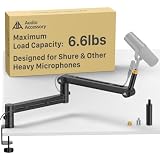
| AA AUDIO ACCESSORY Mic Arm Desk Mount | Maximum Load Capacity & Gear-Lock Stability | $49.99 |
| FIFINE BM88 Low Profile Boom Arm | Streamers & Gamers Needing Integrated Cable Tracks | $56.99 |
| InnoGear Low Profile Mic Arm (Black) | Mid-Range Workspaces Needing Solid Metal Build | $39.99 |
| InnoGear Mic Arm 360° Flex | Compact Workstations & Tight Desk Spaces | $25.19 |
| Aqdocvf Heavy Duty Low Profile Metal Arm | Budget-Minded Voiceover & Podcasting Setups | $29.99 |
| Elgato Wave Mic Arm Low Profile | Premium Studio Aesthetics & Magnetic Cable Management | $85.99 |
| InnoGear Foldable Low Profile Arm | Multi-Use Desks Needing Quick Foldaway Storage | $23.39 |
| NEEWER MS002 Low Profile Arm | Silent Adjustments & Fluid Pneumatic Damping | $72.49 |
How We Picked
Selecting office furniture and studio hardware requires balancing physical footprint with load performance. To evaluate these low-profile mic mounts, we focused on key architectural criteria:
- Payload Capacity & Joint Locking: Heavy broadcast microphones can weigh between 1.5 to 3.5 lbs (with shock mounts attached). We prioritized arms with metal gear locks, pneumatic damping, or high-torque hex tension joints that guarantee zero droop over extended use.
- Under-Monitor Clearance: A true low-profile arm must maintain a height clearance between 2.5 and 5 inches off the desk surface to glide under Ultrawide and dual-monitor displays effortlessly.
- Desk Clamp & Surface Protection: We assessed C-clamp depth and padded backing to ensure rigid mounting on solid wood, butcher block, and composite desks measuring 0.5 to 2.5 inches thick without damaging finishes.
- Cable Concealment: Clean cable channels or hidden routing slots preserve a minimal desk visual aesthetic.
The 8 Best Picks
1. AA AUDIO ACCESSORY Mic Arm Desk Mount
Designed specifically for heavyweight broadcast setups, this mount easily manages bulky studio capsules without creeping downward over long recording sessions. It shines in minimalist executive offices where clean visual lines matter, keeping the microphone tucked neatly beneath a dual-monitor rig. With a generous 6.6 lbs load capacity and a stable gear lock mechanism, it locks heavy gear like the Shure SM7B or Blue Yeti firmly into place. The all-metal frame prevents wobble on standard desk edges between 0.5 and 2 inches thick.
- Pros: Massive 6.6 lbs weight capacity handles heaviest mics; gear lock joint guarantees zero arm sagging.
- Cons: Gear-locking joints require manual loosening to readjust arm height.
When to skip: Skip if you need to reposition your microphone height constantly on the fly without unlatching fixed gears.
2. FIFINE BM88 Low Profile Microphone Boom Arm Stand
Streaming setups require clear sightlines to webcams and screens, and the FIFINE BM88 delivers a sleek profile that slides directly beneath Ultrawide or stacked displays. Ideal for content creators who switch between gaming and desk work, it features integrated cable channels to conceal messy XLR or USB cords. The durable metal construction feels rigid across its extended reach, easily bearing medium to heavy dynamic mics. Clamp mounting takes minutes on desk surfaces up to 2 inches thick, while the built-in cable trays maintain a clutter-free aesthetic priced at $56.99.
- Pros: Hidden cable management channels; smooth horizontal swivel across desk surfaces.
- Cons: Included thread adapters can require extra tightening to prevent rotational play.
When to skip: Skip if you prefer overhead top-down microphone placement rather than under-monitor positioning.
3. InnoGear Low Profile Mic Arm Boom Arm (Black)
For creators seeking structural strength without high-end studio costs, this mid-tier InnoGear arm hits a sweet spot for home office furniture aesthetics at $39.99. Its low-slung, matte black metal arm glides beneath monitor mounts while keeping desktop surfaces free for mechanical keyboards and audio interfaces. It holds heavy condenser and dynamic mics steadily once tension knobs are secured. The C-clamp padded backing protects solid wood and veneer desks from pressure marks during daily swivel adjustments.
- Pros: Solid metal build quality at an accessible price point; subtle matte finish blends with dark setups.
- Cons: Cable clips are somewhat tight when routing heavy-gauge XLR cables.
When to skip: Skip if your desk setup lacks a sturdy edge for traditional clamp mounting.
4. InnoGear Mic Arm Low Profile 360° Flex
If you need budget-friendly flexibility, this ultra-accessible model ($25.19) provides full 360-degree rotation across a slim footprint. It is ideal for compact writing desks or secondary podcaster setups where space is severely constrained. The lightweight metal architecture maintains a low stance that sits beneath monitor sightlines, making it a practical starter mount for USB microphones and light-to-medium dynamic setups. The 360-degree rotation base makes sweeping the mic out of the way fast and efficient when transitioning to keyboard work.
- Pros: Extremely economical option; full 360-degree rotation for effortless repositioning.
- Cons: Maximum payload limit is lower than heavy-duty gear-locked models.
When to skip: Skip if you are mounting heavy dynamic mics paired with heavy brass shock mounts.
5. Aqdocvf Heavy Duty Low Profile Metal Mic Arm
Built for budget-conscious home studios that still demand rigid structural support, Aqdocvf delivers an all-metal chassis designed to endure frequent repositioning. At $29.99, its horizontal geometry keeps your voice actor or podcast setup clutter-free while maintaining structural integrity under hefty capsules. The heavy-duty joints resist sagging when tightened down on standard desk mounts, holding heavy dynamic models in place during long voiceovers. Its utilitarian design pairs well with industrial wood-and-steel desks.
- Pros: Excellent rigidity for an under-$30 price tag; heavy-duty joint construction.
- Cons: Basic industrial appearance lacks high-end refined finish detailing.
When to skip: Skip if premium design aesthetic and magnetic cable covers are high priorities for your workspace.
6. Elgato Wave Mic Arm Low Profile
The gold standard for high-end home office setups, Elgato’s flagship low-profile boom arm ($85.99) blends premium industrial design with flawless ergonomics. Engineered with magnetic cable channels and a sleek aluminum frame, it slides effortlessly under monitors while maintaining absolute rigidity with heavy studio microphones. Its smooth swivel joint allows instantaneous positioning without annoying squeaks or friction sound bleed into live broadcasts. It represents a refined addition to modern executive desks, supporting heavy gear effortlessly.
- Pros: Magnetic cable covers provide the cleanest wire organization; premium aluminum construction.
- Cons: Highest price tag among standard desktop low-profile boom arms.
When to skip: Skip if you are working within a strict budget for basic home studio accessories.
7. InnoGear Low Profile Mic Arm Foldable Stand
Designed for multi-use desks and temporary recording spaces, this ultra-affordable foldable arm ($23.39) stows away neatly when not in use. Its compact folding hinge mechanism makes it ideal for hybrid remote workers who need to clear space on small writing desks at the end of the workday. While slim in cross-section, the metal frame comfortably carries standard studio microphones when positioned properly across the desk plane.
- Pros: Highly compact and foldable for rapid desk clearing; lowest entry price point.
- Cons: Shorter overall reach distance compared to premium full-length arms.
When to skip: Skip if you need extended reach across wide 60-inch or larger standing desks.
8. NEEWER Low Profile Mic Arm MS002 with Pneumatic Damping
Highlighting modern workspace engineering, NEEWER incorporates pneumatic damping technology into the MS002 ($72.49) for whisper-quiet, fluid movement. This unit suits professional broadcast spaces and high-end mahogany or standing desks where silent adjustments are non-negotiable during live sessions. The 360-degree swivel base provides effortless glide across wide desk layouts while handling heavy broadcast dynamic mics with zero sag, preserving your workspace’s visual symmetry.
- Pros: Pneumatic damping allows silent, effortless height adjustments; robust load capacity.
- Cons: Larger desk clamp footprint requires ample clearance beneath desk lips.
When to skip: Skip if your desk features a shallow rear lip that cannot accommodate a deep clamp mechanism.
Buying Guide
Weight Capacity & Joint Locking Mechanisms
Microphone weight is the primary failure point for cheap boom arms. A heavy setup—such as a Shure SM7B dynamic microphone (1.69 lbs) paired with a heavy XLR cable, inline preamp, and heavy-duty shock mount—can easily push total weight near 3 to 4 lbs. Look for arms utilizing gear-lock mechanisms (like the AA AUDIO ACCESSORY arm) or high-torque hex-tension joints. Pneumatic damping systems also offer fluid movement without sacrificing holding strength.
Desktop Clearance & Ergonomics for 2026 Workspaces
As we look ahead to 2026 ergonomic home studio designs, multi-monitor arms and ultra-wide curved screens dominate modern desks. A quality low-profile boom arm must sit low enough (typically under 4 inches of clearance) to sweep beneath display bezels while reaching forward 20 to 30 inches to position the capsule near your mouth. Ensure the C-clamp accommodates your desk thickness, especially if you use standing desks with under-frame crossbars.
Cable Management & Desk Aesthetics
A cluttered desk ruins the aesthetic of a carefully designed office space. Top-tier low-profile arms offer integrated cable channels, plastic routing clips, or magnetic snap-on covers. Concealing your XLR or USB cables along the chassis arms prevents snagging when swiveling the mic away at the end of a session.
Our Verdict
If you require maximum payload security for an ultra-heavy studio microphone setup, the AA AUDIO ACCESSORY Mic Arm Desk Mount ($49.99) takes top honors thanks to its massive 6.6 lbs load capacity and non-sagging gear-lock design. For creators seeking the ultimate blend of clean desk aesthetics, magnetic cable concealment, and premium aluminum build quality, the Elgato Wave Mic Arm LP ($85.99) remains the gold standard. Meanwhile, buyers seeking maximum budget value will find the InnoGear Low Profile Mic Arm ($39.99) offers outstanding structural support without breaking the bank.
FAQ
Why choose a low-profile boom arm over an overhead scissor arm?
Low-profile boom arms extend horizontally beneath your field of view, keeping computer monitors completely unobstructed. They eliminate visual clutter during video calls and live streams while maintaining a clean, modern desk aesthetic.
Will a low-profile arm hold a heavy Shure SM7B microphone?
Yes, provided you choose an arm rated for at least 3 lbs. Models like the AA AUDIO ACCESSORY (rated at 6.6 lbs), Elgato Wave LP, and NEEWER MS002 are specifically engineered to hold heavy dynamic microphones without dropping.
Can low-profile boom arms mount on thin or glass desks?
Most low-profile arms use heavy-duty C-clamps. While they work well on solid wood, butcher block, and thick MDF, mounting directly onto thin tempered glass is not recommended unless you use a reinforcing steel mounting plate to distribute clamping pressure.
How do I prevent my mic arm from shaking on a standing desk?
Ensure the C-clamp is tightened securely against a solid desk frame or top lip. Choosing an arm with sturdy metal joints and lower center-of-gravity horizontal reach naturally reduces lever motion and wobbling when typing or raising standing desks.


