
When you transition from casual video calls to producing polished talking head videos, online courses, or executive presentations from home, lighting quickly becomes your biggest visual upgrade. The central debate for most home creators comes down to softbox vs led panel for talking heads setups. On paper, both promise bright, flattering illumination that renders your face clearly on camera. In practice, however, they interact with your physical living space in completely different ways. A softbox creates a broad, velvety illumination by bouncing light through a deep fabric cowl, but it occupies considerable floor space. A flat LED panel offers a slim profile and quick dimming controls, but can sometimes feel intense on the eyes without extra diffusion layers. Deciding between them requires looking beyond sheer lumen output to evaluate room footprint, thermal comfort, background aesthetics, and setup velocity within a residential environment.
Top 3 picks at a glance
Quick Verdict
If you have a dedicated room with at least three feet of clearance behind your desk and prioritize the softest, most forgiving wrap-around light for skin tones, a classic softbox kit delivers unmatched broadcast-quality diffusion for the price. If you record in a multi-use bedroom, tight apartment nook, or executive home office where equipment must remain unobtrusive or be stowed away quickly, an LED panel is the clear winner. While a softbox wraps light around fine lines and reduces harsh facial shadows naturally, a modern bi-color LED panel offers immediate dial-in color warmth, runs extremely cool, and fits neatly into contemporary home interior designs without looking like a cluttered photo set.
As an Amazon Associate we earn from qualifying purchases at no extra cost to you. Product prices and availability are accurate as of the date shown and are subject to change.

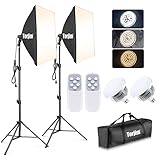

Side by Side
| Feature | Softbox Setup | LED Panel Setup |
|---|---|---|
| Space Needed | 24″ to 36″ depth clearance per light stand | 3″ to 6″ depth clearance (desk-clamp compatible) |
| Comfort & Eye Strain | Extremely soft on eyes; comfortable for long shoots | Brighter per surface area; benefits from diffusion socks |
| Look & Room Aesthetics | Bulky, industrial fabric cowl; dominant room presence | Sleek, minimal tech profile; blends into modern offices |
| Price Range | $40 – $120 for entry to mid-tier dual kits | $50 – $250 for quality bi-color panels |
| Durability | Fabric hood and flexible rods; prone to tripping hazards | Solid-state metal/polycarbonate casing; highly durable |
| Maintenance | Occasional fabric dusting, bulb swaps ($15–$25) | Wipe down exterior; zero bulb replacements required |
| Resale Value | Moderate; popular among budget film students | High; sought after by remote workers and streamers |
| Best For | Dedicated studios, budget creators, soft skin rendering | Small offices, quick daily Zoom calls, multi-use rooms |
Where Softbox Wins
A traditional softbox excels because of fundamental optical physics: the larger the light source relative to the subject, the softer the light. By placing a bulb deep inside a silver-lined fabric canopy and pushing the light forward through translucent white diffusion screens, a softbox creates a broad, gentle beam. When evaluating a softbox vs led panel for talking heads, skin texture rendering is where the softbox truly shines. It wraps subtly around facial contours, softening cheekbones and minimizing blemishes or under-eye shadows without requiring heavy digital softening filters in post-production.
Budget efficiency is another undeniable strength of softbox setups. Entry-level creators can achieve professional, studio-grade soft light at very approachable price points. For instance, compact starter options like the Torjim Softbox Photography Lighting Kit (featuring a 16″ x 16″ modifier and an 85W LED studio light priced around $39.98) provide high lumen output without harsh hotspots. For creators needing full two-point key and fill setups, dual-light packages such as the 2Pcs 27″ x 27″ Torjim Softbox Photography Lighting Kit (offering 3000K-7500K adjustable 85W LED bulbs with remote control at around $62.89) combine physical softbox diffusion with modern color temperature control.
Additionally, softboxes produce large, circular or square catchlights in the presenter’s eyes. These soft reflections look identical to natural window light, giving talking head videos an inviting, trustworthy, and broadcast-ready appearance that hard light sources cannot replicate without additional modifications.
Where Led Panel for Talking Heads Wins
While softboxes deliver exceptional light quality, LED panels dominate when it comes to spatial efficiency, convenience, and low visual footprint in a home environment. A standard LED panel measures only 1 to 2 inches in depth. It can be mounted on slim desktop light stands, clamped directly to the back of a standing desk, or even flush-mounted near a wall. In a home office measuring 10×10 feet, saving 2 to 3 feet of floor clearance per light stand completely transforms the functionality of your living space.
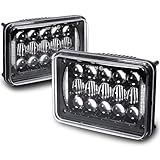
The core technology behind solid-state lighting has expanded across countless consumer applications over the past decade. Today, light-emitting diodes power high-intensity automotive applications like TRUE MODS 2pc 4×6 LED Headlights, decorative interior accents like the hhuohuona Flashing Jack-O’-Lantern Neon Sign, and professional studio lighting. In desktop studio panels, this same solid-state reliability enables digital control over color temperature and brightness. Instead of changing physical light bulbs or attaching colored gels, you can adjust your lighting from 3200K (warm incandescent) to 5600K (daylight) with a quick turn of a dial or a smartphone app.
LED panels also emit very little forward heat. Sitting 2 feet away from a traditional continuous studio light for an hour can raise room temperatures noticeably. An LED panel stays cool to the touch, keeping you comfortable during extended recording sessions or hot summer afternoons without forcing your HVAC system to work overtime.
Cost Over 5 Years
Evaluating total cost over a five-year lifespan involves looking past the initial purchase price to consider replacement parts, durability, and energy consumption.
Softbox System Expenses:
Softbox kits carry a lower initial buy-in price, typically between $40 and $100 for a dual-light setup. However, fabric modifiers exposed to ambient dust or sunlight can show wear or discoloration over a five-year period. Replacing a broken 85W studio bulb or a bent outer frame rod costs approximately $15 to $25 per incident. Accounting for power consumption (typically 80W to 100W combined draw) and light maintenance, a dual softbox setup costs around $100 to $180 over five years.
LED Panel System Expenses:
Quality bi-color LED panels require a higher initial outlay, ranging from $80 to $250 for a two-light kit including desktop mounts. However, solid-state LED arrays are rated for 30,000 to 50,000 hours of operational life, meaning you will likely never buy a replacement light source during ownership. With average power consumption between 30W and 50W, an LED panel setup incurs lower utility costs and zero replacement bulb expenses, resulting in a total 5-year cost of roughly $100 to $260. The long-term cost difference between the two technologies is ultimately negligible, making physical convenience the primary deciding factor.
Which One for Your Home
Small Apartment or Bedroom Nook
In tight living areas where your desk sits in a bedroom corner or hallway alcove, an LED panel setup is by far the most practical choice. Clamping two slim LED panels to the rear edge of your desk eliminates trip hazards caused by tripod legs. You can record a professional talking head video, turn off the panels, and instantly return the room to a clean living space without moving bulky gear.
Family Home with Kids and Pets
If your recording space doubles as a family room or high-traffic area, large softbox stands pose a top-heavy tipping hazard for running children or pets. Softbox fabric can also collect pet dander over time. Compact LED panels mounted directly to heavy desk bases or walls keep electrical cords tucked away and reduce the risk of accidental knockdowns.
Rental Property or Temporary Setup
For renters who cannot mount fixtures to walls and must set up and tear down equipment frequently, high-end folding softboxes or pop-up LED panels work well. However, quick-fold LED panels with built-in silicone diffusers offer the fastest teardown times, packing flat into a backpack or closet shelf in under two minutes.
Dedicated Long-Term Home Office
If you have a dedicated 12×12 foot home studio or permanent video set in 2026, a classic softbox key light combined with a smaller LED fill light offers the ideal balance. Placing a 27-inch softbox at a 45-degree angle delivers soft, flattering light across your face, while a slim LED background panel provides clean rim lighting without cluttering your room.
FAQ
Do I need a softbox or LED panel for daily Zoom calls?
For standard video conferencing, an LED panel is generally superior due to its compact size and instant color adjustment. It sits neatly behind your computer monitor without overwhelming your desk space, providing clean illumination for daily meetings without requiring a dedicated studio setup.
Can I make an LED panel look as soft as a softbox?
Yes, you can soften an LED panel by adding an clip-on softbox attachment, a silicone diffusion dome, or placing a pop-up diffuser screen between the light and your face. However, expanding an LED panel with extra diffusion increases its physical depth, closing the space advantage it holds over a standard softbox.
Which light option generates less heat in a small room?
LED panels produce less radiant heat directed forward at the presenter. While modern softboxes using LED bulbs run much cooler than legacy incandescent lights, the deep fabric canopy can still trap warm air around the bulb. An open LED panel dissipates thermal energy efficiently through its rear heatsink.
How far away should a softbox or LED panel sit from my face?
For talking head video, place your primary key light roughly 2 to 4 feet away from your face at a 45-degree angle. Positioning a softbox closer increases its effective size, making the light even softer on your skin, whereas an LED panel can be kept slightly further back or dimmed down to maintain visual comfort during long shoots.
Related guides
- Hardware Raid vs Das for Video Backup: Which Is Right for Your Home
- Usb vs Xlr Microphone for Streaming: Which Is Right for Your Home
- Dynamic vs Condenser Microphone for Untreated Rooms: Which Is Right for Your Home
- Best Desktop Microphone Isolation Shields for Narration: Tested and Ranked: 8 Tested (2026)


