
When designing a home office, a dedicated podcast nook, or a gaming corner, we easily obsess over ergonomic chairs, solid wood desks, and perfect lighting. However, the most disruptive element in any home workspace isn't visual—it is auditory. Unlike professional recording studios with decoupled walls, heavy insulation, and thousands of dollars in acoustic panels, our homes are filled with hard surfaces, humming HVAC systems, street traffic, and the busy sounds of family life.
To combat this, choosing the right microphone polar pattern is critical. This brings us to the classic dilemma of cardioid vs supercardioid microphones for noisy rooms. While both patterns are designed to isolate your voice and reject off-axis sound, they interact with your home's physical environment in vastly different ways. Whether you are looking at a budget-friendly option like the CAD Audio D27 Supercardioid Handheld Dynamic Microphone ($27.51), a versatile hybrid like the FIFINE AmpliTank K688 Dynamic Microphone ($67.99), a studio staple like the Audio-Technica AT2020 Cardioid Condenser Studio XLR Microphone ($118), or a rugged performer like the Shure BETA 57A Supercardioid Dynamic Instrument Microphone ($159), understanding how these patterns handle domestic noise will save you from frustrating audio quality and costly acoustic remodeling.
As an Amazon Associate we earn from qualifying purchases at no extra cost to you. Product prices and availability are accurate as of the date shown and are subject to change.
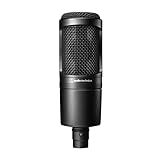


Top 3 picks at a glance
Quick Verdict
If you have a moderately noisy room where the primary sounds come from directly behind the microphone (such as a noisy computer tower or a wall-mounted AC unit) and you tend to move your head while speaking, a cardioid microphone is your best choice. It offers a wide, forgiving front pickup angle and completely rejects sound from the rear.
However, if your room has highly reflective bare walls, street noise pouring in from side windows, or a loud mechanical keyboard on your desk, a supercardioid microphone is the superior option. Its ultra-narrow front pickup zone aggressively rejects lateral noise. You must simply be careful not to position the rear of the microphone directly facing a hard, reflective surface or a direct noise source, as supercardioids possess a small rear pickup lobe.
Side by Side
Below is a direct comparison of how these two polar patterns perform when integrated into a standard residential room or home office setup.
| Feature | Cardioid Microphones | Supercardioid Microphones |
|---|---|---|
| Front Pickup Angle | Wide (approx. 130 degrees) | Narrow (approx. 115 degrees) |
| Rear Rejection | Absolute null point at 180 degrees (perfect rear rejection) | Partial pickup lobe at 180 degrees (requires careful rear placement) |
| Side Rejection | Moderate side rejection | Extreme side rejection (null points at 125 and 235 degrees) |
| User Movement Freedom | High; allows you to lean back or turn your head slightly | Low; requires you to stay directly centered in front of the capsule |
| Price Range | $30 to $500+ (e.g., FIFINE K688 at $67.99 or AT2020 at $118) | $25 to $400+ (e.g., CAD D27 at $27.51 or Shure BETA 57A at $159) |
| Space Needed & Placement | Low; highly forgiving of desk placement and wall proximity | Moderate; requires careful angling to keep the rear lobe away from reflective walls |
| Aesthetic Integration | Available in sleek side-address studio designs or broadcast arms | Often features a tapered, end-address handheld or instrument shape |
| Resale Value | Very high; highly sought after by general home users and streamers | Moderate to high; popular with musicians and specialized creators |
| Best For | Standard offices with rear-source noise and active speakers | Untreated rooms with hardwood floors and side-source noise |
Where Cardioid Wins
Cardioid microphones get their name from their heart-shaped sensitivity pattern. They are most sensitive to sounds coming directly from the front, slightly less sensitive at the sides, and completely deaf to sounds coming from the direct rear (the 180-degree mark). This specific geometry offers several distinct advantages in a home setting.
First, cardioid microphones are incredibly forgiving of user movement. With a wide front pickup angle of about 130 degrees, you can turn your head to look at a secondary monitor, lean back in your office chair, or shift your posture during a long video call without experiencing a sudden drop in volume or clarity. If you use a side-address condenser like the Audio-Technica AT2020, you gain a natural, airy vocal capture that makes your home office sound like a professional broadcast suite, provided your background noise is kept at a reasonable level.
Second, the absolute null point at the rear of a cardioid microphone is a massive design asset. If your desk faces a wall and your computer's noisy cooling fans are positioned directly behind the microphone, a cardioid pattern will naturally reject that mechanical hum. Popular hybrid models like the FIFINE AmpliTank K688 leverage this pattern to keep your voice clear and isolated, even when the microphone is mounted on a simple desktop stand right next to your monitor and keyboard.
Where Supercardioid Microphones for Noisy Rooms Wins
When dealing with highly chaotic or acoustically hostile environments, supercardioid microphones for noisy rooms become the ultimate problem solvers. By narrowing the front pickup angle to roughly 115 degrees, these microphones ignore a significant amount of the ambient room sound that a standard cardioid pattern would otherwise capture.
The primary strength of the supercardioid pattern lies in its aggressive lateral rejection. In a home environment, noise rarely comes from just one direction. You might have a window on your left letting in street traffic, a partner working on a mechanical keyboard on your right, and hard drywall surfaces bouncing sound waves all around you. A supercardioid microphone, such as the Shure BETA 57A or the highly affordable CAD Audio D27, places its "null points" (areas of maximum silence) at approximately 125 degrees and 235 degrees. This means noise coming from your sides is almost completely eliminated from your audio signal.
This tight focus makes supercardioid microphones incredibly effective in rooms with hardwood floors, high ceilings, or minimal furniture. Because they do not pick up the lateral reflections bouncing off your bare walls, your voice sounds dry, intimate, and professional, without the hollow, echoing quality that plagues many home recordings. However, users must account for the small pickup lobe at the direct rear of the microphone. To prevent this rear lobe from capturing unwanted noise, you should angle the microphone slightly downward or place a soft, sound-absorbing material (like a thick curtain or a small acoustic panel) on the wall directly behind the mic.
Cost Over 5 Years
When investing in audio equipment for your home, it is important to look beyond the initial purchase price and calculate the total cost of ownership over a five-year lifecycle. A quality microphone is a highly durable piece of hardware, but it requires supporting accessories to function optimally in a noisy domestic space.
Consider the breakdown of a typical mid-range setup over five years:
- Initial Hardware: A reliable microphone can range from a budget dynamic model like the CAD Audio D27 ($27.51) to a mid-tier studio solution like the Audio-Technica AT2020 ($118) or Shure BETA 57A ($159).
- Supporting Gear: To isolate the microphone from desk vibrations (such as typing or bumping your desk), you will need a sturdy boom arm ($50 to $120) and a compatible shock mount ($20 to $50). If you choose an XLR microphone, you will also need an audio interface ($100 to $180) and a quality XLR cable ($15 to $30).
- Maintenance and Power: Dynamic microphones are passive and require zero external power. Condenser microphones require 48V phantom power from your interface, which consumes a negligible amount of electricity (less than 5 watts). Dynamic capsules are incredibly rugged and easily last a decade without degradation. Condenser capsules are more sensitive to dust and humidity, meaning they should be covered when not in use to preserve their sensitivity.
Over a five-year period, a complete, high-quality setup will cost between $150 and $450. Because these physical devices do not rely on software subscriptions, your ongoing costs are virtually zero. Looking ahead to 2026, investing in a physically superior microphone capsule remains far more cost-effective and reliable than relying on heavy, subscription-based AI noise-reduction software, which can often clip your words and make your voice sound synthetic.
Which One for Your Home
Every home has its own unique architectural challenges and living dynamics. Here is how to choose the right microphone pattern based on your specific domestic scenario.
Small Apartment or Studio Flat
In a compact living space, your desk is often only a few feet away from your kitchen refrigerator, a humming radiator, or a shared wall. Because space is limited, you cannot easily move your desk away from these noise sources. A supercardioid microphone is highly recommended here. Its tight lateral rejection will block out the ambient hums of household appliances. Just ensure the microphone is angled so its rear lobe points toward a soft surface, such as a sofa or a heavy rug, rather than a flat drywall partition.
Family Home with Kids and Pets
If your daily work is punctuated by children playing in the next room, dogs barking, or family members walking down the hallway, you need maximum isolation. A dynamic supercardioid microphone is your best defense. Because dynamic capsules are naturally less sensitive than condensers, combined with the ultra-narrow pickup angle of the supercardioid pattern, your voice will remain isolated even when domestic chaos is happening just outside your office door.
Rental Property with No Acoustic Treatments
As a renter, you cannot easily mount heavy acoustic panels, drill into walls, or carpet over hardwood floors. Bare rental rooms are notorious for creating a harsh, echoing "bathroom effect" on voice calls. A supercardioid microphone acts as a physical shield against these room reflections. By ignoring the side reflections bouncing off your bare rental walls, it delivers a clean, direct signal that makes your space sound much warmer and more inviting than it actually is.
Long-Term Home with a Dedicated, Furnished Office
If you own your home and have a dedicated office space decorated with bookshelves, heavy drapes, area rugs, and plush furniture, your room naturally absorbs a lot of high-frequency noise. In this treated or well-furnished environment, a cardioid microphone is the ideal choice. It allows you to move freely at your desk, lean back to contemplate your work, and speak naturally without worrying about staying perfectly aligned with a narrow pickup zone. The cardioid pattern will deliver a full-bodied, natural sound while easily rejecting any minor computer fan noise coming from directly behind the casing.
FAQ
Do I need acoustic treatment if I buy a supercardioid microphone?
While a supercardioid microphone greatly reduces the amount of room echo and lateral noise captured in your recordings, it does not completely replace the benefits of basic acoustic treatment. Adding simple soft furnishings like a thick area rug, canvas wall art, or heavy curtains will work in tandem with your microphone to create an exceptionally clean, professional sound.
Will a supercardioid microphone block out my loud mechanical keyboard?
Yes, but placement is key. Because a supercardioid microphone has null points of silence at its sides (125 and 235 degrees), you should position your mechanical keyboard within these side zones. If you place the keyboard directly behind a supercardioid microphone, the microphone's rear pickup lobe will capture the clicking switches.
What is the difference between a dynamic and a condenser microphone for noisy rooms?
Dynamic microphones (like the FIFINE K688, Shure BETA 57A, or CAD D27) are less sensitive and require louder, closer sound sources to activate their diaphragms, making them naturally excellent at ignoring distant room noise. Condenser microphones (like the Audio-Technica AT2020) are highly sensitive and detail-oriented, meaning they will capture more room texture and require a quieter environment to perform at their best.
How close do I need to sit to a supercardioid microphone?
To get the best noise-rejection performance, you should stay within 2 to 6 inches of a supercardioid microphone. This close proximity ensures your voice remains significantly louder than any background noise, allowing the microphone's physical pattern to isolate your speech cleanly and effectively.


