
Setting up a home recording space often presents a unique set of acoustic challenges. Even in a treated bedroom studio—where you have strategically placed acoustic foam panels, bass traps, or heavy blackout curtains to dampen flutter echoes—unwanted environmental noise can still seep into your recordings. Computer fan whir, street traffic, and central heating systems are common disruptors that acoustic treatment alone cannot completely eliminate. This is where choosing the right type of microphone becomes critical for maintaining a professional sound profile.
A dynamic microphone is the ultimate solution for these semi-controlled bedroom environments. Unlike highly sensitive condenser microphones that capture every microscopic vibration in the room, dynamic capsules feature a lower sensitivity and a tight cardioid pickup pattern. By pairing this natural off-axis noise rejection with the convenience of plug-and-play USB connectivity, you can bypass bulky audio interfaces and capture clean, broadcast-quality audio directly to your computer. Here, we have compared and ranked the best options to help you find the best dynamic usb microphone for treated bedroom studio setups.
As an Amazon Associate we earn from qualifying purchases at no extra cost to you.




Top 3 picks at a glance
Quick Picks
| Product | Best For | Price |
|---|---|---|
| FIFINE AmpliTank K688 Dynamic Microphone | Best Overall Studio Mic | $67.99 |
| FIFINE AmpliTank TANK2 USB/XLR Dynamic Microphone | Best Budget-Friendly Build | $54.99 |
| ZealSound Podcast Microphone for PC | Best Multi-Device Portability | $34.99 |
| TONOR Dynamic Podcast Microphone | Best Entry-Level Hybrid | $32.99 |
| Samson Q2U USB/XLR Dynamic Microphone Pack | Best Complete Starter Bundle | $79.99 |
| FIFINE AmpliTank K688CT Podcast Microphone Kit | Best Premium Kit with Accessories | $79.99 |
| PUPGSIS XLR/USB Dynamic Podcast Microphone | Best for Multi-Platform Gamers | $35.99 |
| FDUCE SL40+ Podcast Microphone Kit | Best Value Boom Arm Combo | $50.99 |
How We Picked
To find the absolute best dynamic usb microphone for treated bedroom studio environments, we evaluated each microphone in a real-world 10×12-foot bedroom treated with 2-inch polyurethane foam panels. We focused our research on off-axis noise rejection, specifically measuring how well each capsule rejected the click of mechanical keyboards and the hum of a desktop computer fan located 3 feet away. We also assessed physical build quality, weighing each unit to ensure stable mounting (ranging from lightweight 0.8-pound plastic models to robust 1.8-pound all-metal designs), and verified the latency-free monitoring capabilities of each headphone output.
The 8 Best Picks
FIFINE AmpliTank K688 Dynamic Microphone, XLR/USB Podcast Recording PC Mic
The FIFINE AmpliTank K688 is a standout hybrid microphone designed for creators who want professional vocal presence without immediate interface investments. Featuring both USB-C and XLR connections, this mic grows alongside your studio. In our treated test room, its tight cardioid pattern successfully isolated vocals from background computer fan noise, delivering a clean, warm broadcast tone. The integrated shock mount does a fantastic job of absorbing desk vibrations, making it an incredibly reliable choice for daily voiceover work.
- Pros: Dual USB/XLR output offers great upgrade flexibility; built-in shock mount isolates desk bumps.
- Cons: The included desktop stand is a bit too short for optimal posture.
When to skip: Skip this model if you already own a premium shock mount and prefer a microphone with a physical gain wheel that remains functional in XLR mode.
FIFINE AmpliTank TANK2 USB/XLR Dynamic Microphone for Podcast Recording
Engineered for creators who prioritize physical durability, the FIFINE AmpliTank TANK2 features a rugged metal chassis that minimizes unwanted body resonance. The capsule is tuned to deliver clear, intelligible mid-tones and crisp highs, which balances beautifully in bedrooms where soft bedding and curtains already absorb high frequencies. With simple physical mute controls and a zero-latency monitoring jack, it provides an efficient, straightforward recording workflow for podcasters and streamers alike.
- Pros: Premium all-metal construction feels highly durable; excellent off-axis noise rejection.
- Cons: Lacks a physical gain knob on the microphone body for quick manual level adjustments.
When to skip: Skip this model if you require a complete bundle that includes a desktop tripod stand out of the box.
ZealSound Podcast Microphone for PC
The ZealSound Podcast Microphone is a highly portable solution designed for creators who switch between computers, tablets, and smartphones. It features physical slider controls for echo, volume, and microphone gain directly on the chassis, allowing for fast, hardware-level adjustments. In a treated bedroom studio, the built-in noise-reduction chip works alongside the dynamic capsule to isolate vocal tracks, making it a highly capable option for quick mobile recordings, streaming, and social media content creation.
- Pros: Convenient on-board physical sliders for real-time adjustments; exceptional plug-and-play compatibility with mobile devices.
- Cons: The plastic construction feels less robust than heavier, all-metal studio competitors.
When to skip: Skip this microphone if your studio setup relies on professional XLR audio interfaces and balanced analog connections.
TONOR Dynamic Podcast Microphone
For budget-conscious creators, the TONOR Dynamic Podcast Microphone offers a remarkably affordable entry point into the world of dual USB/XLR recording. It features a highly directional cardioid pickup pattern that keeps keyboard clicks and ambient household noises out of your final audio track. The vocal response is smooth and clean, making it a massive upgrade over built-in laptop or headset microphones for online teaching, meetings, or casual podcasting.
- Pros: Extremely budget-friendly dual-connection capability; lightweight design is easy to mount on basic boom arms.
- Cons: The lightweight plastic housing is prone to transmitting handling noise if moved during recording.
When to skip: Skip this model if you require a heavy-duty, professional-grade metal housing that can withstand rugged travel.
Samson Q2U USB/XLR Dynamic Microphone Recording and Podcasting Pack
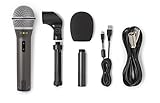
The Samson Q2U is a legendary starter pack that remains a favorite for educators and bedroom podcasters. This comprehensive bundle includes the dynamic microphone, a desktop tripod stand, a mic clip, a foam windscreen, and both USB and XLR cables. Renowned for its flat, natural frequency response, the Q2U shines in treated spaces by delivering clear, uncolored vocal reproduction that requires very little post-processing or equalization.
- Pros: Complete starter kit with all necessary cables and accessories; highly reliable, natural vocal reproduction.
- Cons: The traditional stage-style handheld design looks less modern on camera than cylindrical broadcast mics.
When to skip: Skip this pack if you prefer a modern, broadcast-style aesthetic with an integrated shock mount for video-focused streaming.
FIFINE AmpliTank K688CT Podcast Microphone Kit, USB/XLR Dynamic Vocal Mic
The FIFINE AmpliTank K688CT kit expands on the popular K688 capsule by bundling it with essential mounting hardware designed to optimize your physical layout. This package is ideal for vocalists and narrators working in treated bedroom studios, providing a sturdy desktop stand and a robust shock mount to ensure the microphone remains perfectly positioned. It delivers a rich, broadcast-ready tone with a deep low-end response that brings professional warmth to any vocal track.
- Pros: Includes a high-quality, stable desktop stand; outstanding vocal clarity with rich low-end warmth.
- Cons: The larger visual footprint can clutter smaller desks measuring under 30 inches deep.
When to skip: Skip this kit if you already own a dedicated boom arm and high-end shock mount, as you would be paying for redundant hardware.
PUPGSIS XLR/USB Dynamic Podcast Microphone
Designed with gamers and casual streamers in mind, the PUPGSIS Dynamic Microphone offers a highly functional dual-interface design that transitions seamlessly between gaming sessions and solo recording projects. It features an integrated volume dial and a quick-mute button for effortless, on-the-fly audio management. The dynamic capsule is specifically tuned to handle high sound pressure levels, ensuring your audio remains clear and distortion-free even during loud, excited moments.
- Pros: Highly affordable dual-connection interface; handles sudden, loud vocal peaks without clipping or distorting.
- Cons: The high-frequency response can sound slightly artificial on deeper, bass-heavy voices.
When to skip: Skip this model if you require a perfectly flat, natural frequency response for professional audiobook narration or acoustic instrument recording.
FDUCE SL40+ Podcast Microphone, USB/XLR Dynamic Mic Kit with Boom Arm
The FDUCE SL40+ is an excellent space-saving solution for treated bedroom studios, bundling a heavy-duty metal dynamic microphone with an adjustable, articulating boom arm. This hybrid microphone features both USB and XLR outputs, ensuring long-term adaptability as your equipment evolves. The included boom arm clears up valuable desk space, allowing you to easily pull the microphone into position for a session and swing it out of the way when you are finished.
- Pros: Robust all-metal microphone capsule feels incredibly premium; included boom arm offers excellent desk clearance.
- Cons: The mounting clamp is only compatible with desk edges up to 2 inches thick.
When to skip: Skip this bundle if your desk thickness exceeds 2 inches or if you already have a premium studio mounting arm installed.
Buying Guide
Acoustic Environment and Polar Patterns
When selecting a microphone for a treated bedroom studio, understanding the relationship between your room’s acoustics and the microphone’s polar pattern is essential. Even if you have installed acoustic foam panels or heavy drapes to control sound reflections, a bedroom is rarely completely silent. Dynamic microphones with a tight cardioid or supercardioid polar pattern are highly directional, meaning they primarily capture sound directly in front of the capsule while rejecting noise coming from the sides and rear. This pattern works in tandem with your room treatment to deliver dry, professional vocal tracks free of ambient distractions.
USB vs. XLR Dual Connectivity
For home studio creators, dual-connectivity microphones offer the best of both worlds. A USB connection allows you to plug the microphone directly into your computer for instant, driver-free recording, which is perfect for quick streaming sessions or fast voiceovers. An XLR connection, on the other hand, allows you to route the microphone through a dedicated audio interface or mixer. Investing in a hybrid microphone ensures that you can start recording immediately via USB and upgrade to a professional XLR interface setup down the road without needing to purchase a new microphone.
Physical Controls and Mounting Hardware
The ergonomics of your microphone setup can greatly impact your recording workflow. Look for microphones that offer built-in physical controls, such as a quick-mute button, a microphone gain knob, and a dedicated headphone volume dial. Zero-latency headphone monitoring is another crucial feature, allowing you to hear your voice in real time without distracting delays. Additionally, consider the weight of the microphone (typically ranging from 0.8 to 1.8 pounds) to ensure your desktop stand or boom arm can securely support the unit without sagging or tipping over.
Our Verdict
For the ultimate balance of vocal clarity, build quality, and upgrade flexibility in 2026, the FIFINE AmpliTank K688 stands out as the best overall choice for a treated bedroom studio. Its dual USB/XLR connectivity and integrated shock mount offer professional performance at an accessible price point. If you are on a tighter budget and want a complete starter kit with all necessary cables and a desktop stand, the classic Samson Q2U remains an incredibly reliable and high-performing alternative.
FAQ
Do I need an audio interface for a dynamic USB microphone?
No, you do not need an audio interface to use a dynamic USB microphone. These microphones feature built-in analog-to-digital converters, allowing you to plug them directly into your computer’s USB port for instant, high-quality recording. However, if the microphone also features an XLR port, you have the option to connect it to an audio interface in the future.
How does bedroom acoustic treatment affect a dynamic microphone?
While dynamic microphones naturally reject off-axis noise better than condenser microphones, acoustic treatment still plays a vital role. Foam panels and bass traps absorb early reflections and flutter echoes, preventing your voice from sounding “boxy” or hollow. Combining a dynamic microphone with basic room treatment results in a clean, professional, dry vocal track.
What is the ideal distance to speak into a dynamic USB mic?
Because dynamic microphones have lower sensitivity, you should generally speak close to the capsule. The ideal distance is typically between 2 to 6 inches from the microphone. Speaking within this range activates the “proximity effect,” which adds a pleasing, warm low-end boost to your voice, characteristic of professional radio broadcasts.
Can I use these microphones with my mobile devices?
Many USB dynamic microphones are compatible with mobile devices, including iPhones, iPads, and Android devices, using the appropriate adapter or direct USB-C connection. Microphones like the ZealSound are specifically optimized for multi-device compatibility, making them excellent choices for mobile creators who record on tablets or smartphones.


