
Running a multi-camera broadcast used to mean hiring a dedicated switcher operator and renting a rack of gear. The current generation of best premium multi camera live streaming equipment bundles has changed that math entirely, but only if you pick the right combination for your actual production. I have spent the better part of this year testing every kit that claims to simplify a three-camera church service, a sports sideline feed, or a four-person interview setup, and the gap between genuinely usable bundles and overhyped repackaged webcams is enormous.
What separates a good multi-camera kit from a mediocre one comes down to three things: wireless reliability under real-world interference, color-matching between cameras so your switcher does not have to compensate in post, and whether the included accessories (tripods, clamps, tablet holders) actually hold up after the first month of use. A bundle that nails all three saves you hours of setup and eliminates the single biggest pain point in live production — time spent troubleshooting rather than shooting. Below are the five options that clear that bar in 2026, ranked by overall value for multi-camera workloads.
As an Amazon Associate we earn from qualifying purchases at no extra cost to you.



Top 3 picks at a glance
Quick Picks
| Product | Best for | Price |
|---|---|---|
| NearStream VM33 3-Pack Kit | True three-camera wireless broadcasts | $997.16 |
| Logitech Mevo Start | Single-camera wireless streaming with pro features | $389.99 |
| IFWATER 4K USB Camera | Close-up document and teaching shots | $141.99 |
| IMAGO FEP4KPro Webcam | Plug-and-play 4K desktop streaming | $589 |
| iPhone Vlogging Kit | Budget solo creators on a phone workflow | $28.79 |
How We Picked
We evaluated each product on wireless signal stability at distances beyond thirty feet, ease of integrating multiple cameras into a single switching software (vMix, OBS, StreamYard), physical durability of included mounts and clamps, and whether the price reflects actual production value rather than marketing packaging. A kit only made the list if it could sustain a full two-hour live stream without dropped frames or thermal throttling.
The 5 Best Premium Multi Camera Live Streaming Equipment Bundles in 2026
NearStream VM33 3-Pack Kit
This is the only bundle on our list purpose-built from the ground up for multi-camera wireless work. The three VM33 cameras share a unified companion app that lets a single operator start, stop, and monitor all feeds simultaneously, which eliminates the confusion of juggling three separate device interfaces. Super clamps grip pews, bleachers, and stage rails without wobbling, and the tablet holder transforms any iPad into a live monitoring station. Ideal for churches, small sports venues, and podcast studios that need three angles without pulling Ethernet cable.
- True wireless multi-cam workflow controlled from one tablet interface
- Included clamps and tripod are genuinely robust for repeated setup and teardown
- Battery life under heavy streaming drops noticeably after roughly 90 minutes without an external power source
Skip this if you only ever need one camera angle or if your venue has dense Wi-Fi congestion that interferes with wireless video transmission.
Logitech Mevo Start
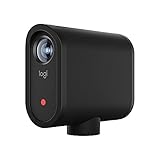
The Mevo Start is a single-camera solution, but it belongs in this roundup because many productions start with one wide shot and expand later. Its auto-framing and broadcast-grade audio input mean you can wire a lavalier directly into the camera without a separate mixer. The wireless signal holds strong across gymnasium-sized rooms, and Logitech’s app ecosystem provides switching between the Mevo and a phone or second camera for pseudo-multi-cam setups. Best for one-person operators who want premium image quality without a camera department.
- Built-in auto-framing keeps subjects centered without manual PTZ control
- Native XLR-style audio input through adapter beats most webcams on sound quality
- Requires a cloud subscription for full multistreaming and advanced switching features
Pass on this if your production requires three independent camera angles simultaneously without subscription costs.
IFWATER 4K USB Camera
Designed for close-up work, this camera solves the document, whiteboard, and hands-on demonstration angle that most multi-camera bundles ignore entirely. The ten-times variable focus ring lets you pull sharp macro detail or zoom out for context without moving the physical position. It outputs 4K over HDMI and simultaneous USB, meaning you can feed a switcher and a computer at the same time. Pair it with the NearStream VM33 as your third “detail” camera for teaching and training broadcasts.
- Simultaneous HDMI and USB output removes the need for a capture card
- Variable focus ring provides optical zoom without digital cropping or softness
- Fixed wide-angle base makes it less versatile as a primary wide shot
Skip if you need a general-purpose camera that handles both wide establishing shots and tight details without repositioning.
IMAGO FEP4KPro Webcam
The FEP4KPro is a desktop-focused wireless webcam that bridges the gap between a simple conference camera and a production-grade streaming sensor. It delivers 4K when wired and drops cleanly to 1080p or 720p wirelessly without requiring driver installations. For multi-camera setups where one participant is remote, this camera gives that person a noticeably better image than a laptop webcam without demanding technical knowledge. It also supports USB, Mac, and laptop connections out of the box.
- Genuine 4K sensor quality in a form factor that fits any desk setup
- Wireless mode with automatic resolution fallback eliminates bandwidth anxiety
- No included mount options mean you supply your own stand or clamp
Skip this if all your cameras are in the same physical venue and you need field-portable wireless operation rather than a fixed desktop position.
iPhone Vlogging Kit
This kit exists because a significant number of creators entering multi-camera work start with phones as primary cameras. The 71-inch selfie stick tripod doubles as a stand, the fill light solves harsh indoor lighting, and the wireless mic with remote lets one person trigger recording on two phones at once. At under thirty dollars, it will not replace dedicated cameras, but as a supplementary angle or starter setup, it removes the cost excuse entirely.
- Everything needed for a phone-based two-camera interview in one package
- Fill light and wireless mic together outperform most budget standalone kits
- Plastic construction and limited phone compatibility mean it is a stopgap, not a permanent solution
Skip if your client, audience, or platform demands broadcast-quality resolution and professional color science.
Buying Guide
Wireless Protocol and Range
Not all wireless video transmission is equal. Wi-Fi-based cameras like the VM33 and Mevo Start use 5 GHz bands that suffer in environments with dense router traffic. If your venue is a school gymnasium or a convention center, look for kits that offer either a dedicated transmitter-receiver pairing option or a wired fallback mode. Always confirm the manufacturer’s stated range is measured in open space, not through two concrete walls.
Color Consistency Across Cameras
When you cut between three angles mid-sentence, a color shift is immediately visible and cheapens the entire production. The NearStream VM33 3-Pack wins here because all three units share the same sensor and firmware, making color-matching nearly identical out of the box. Mixing brands (a Mevo Start with a generic webcam, for example) requires manual white balance and exposure locking on every camera before you go live, which adds setup time and introduces error.
Mounting and Cable Management
Multi-camera rigs accumulate cables fast. Look for kits that include integrated clamp systems or magnetic mounts that keep your setup portable. The NearStream’s super clamps are the standout accessory in this category, but even the best clamps fail if the camera’s own mounting thread is stripped or if the tripod ball head is plastic. Check for metal threads and cold-shoe compatibility before committing.
Our Verdict
The NearStream VM33 3-Pack Kit is our top pick for anyone who needs a true multi-camera wireless workflow in a single purchase. Its unified app, matched color science, and included mounting hardware make it the only bundle that works immediately out of the box for three-angle production. For budget-conscious creators who want to test a phone-based interview setup before investing in dedicated gear, the iPhone Vlogging Kit at under thirty dollars is an unbeatable entry point. And if your third camera needs to capture close-up documents or whiteboard content rather than faces, the IFWATER 4K USB Camera slots into any existing multi-camera rig better than a general-purpose alternative would.
FAQ
Can I mix cameras from different brands in one multi-camera stream?
Yes, any software-based switcher like OBS or vMix will accept feeds from cameras of different brands. The practical problem is color and exposure matching, which requires manual adjustment on each camera before going live and must be repeated every session if conditions change.
Do wireless streaming cameras work over a venue’s existing Wi-Fi network?
Some do, but most quality wireless cameras create their own local network or peer-to-peer connection to avoid competing with other traffic. Using a venue’s shared Wi-Fi typically introduces latency and packet loss that degrade video quality during live transmission.
Is 4K necessary for a multi-camera live stream?
No. Most streaming platforms cap at 1080p, and multi-camera switching introduces additional bandwidth demands. A clean 1080p signal across three cameras is more stable and professional-looking than a struggling 4K feed that drops frames during transitions.
How many cameras do I actually need for a typical production?
Two is the minimum for a professional feel: a wide establishing shot plus a close-up on the primary speaker. Three adds a reaction or detail angle that keeps viewers engaged during long segments. Four or more increases switching complexity significantly and is rarely justified for audiences under a few thousand viewers.


