
An untreated room can make a good voice sound farther away, thinner, or more distracting than it really is. Bare walls, hard floors, desktop reflections, HVAC noise, keyboards, and nearby conversation all compete with a microphone. For home offices, gaming setups, apartments, and improvised podcast corners, a dynamic microphone is often the more practical starting point because it is typically intended for close speaking rather than capturing every detail in the room.
The best USB dynamic microphones for untreated rooms balance close-mic usability with a connection that suits the rest of the setup. USB is the easy route for a laptop or desktop; XLR adds flexibility for an audio interface or mixer later. Our 2026 ranking prioritizes dynamic models with USB connectivity, then considers hybrid connection options, value, and the stated purpose of each microphone. One conference-focused option is included as a useful contrast, but it is not the first choice for a close, voice-forward untreated-room setup.
As an Amazon Associate we earn from qualifying purchases at no extra cost to you. Product prices and availability are accurate as of the date shown and are subject to change.


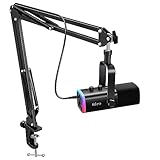
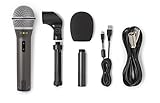

Top 3 picks at a glance
Quick Picks
| Product | Best for | Price |
|---|---|---|
| FIFINE AmpliGame AM8 USB/XLR Dynamic Microphone for Gaming Streaming | Budget gaming and streaming setups | $56.99 |
| RØDE PodMic USB Dynamic Broadcast Microphone, XLR + USB-C | Polished podcast and voice work | $189 |
| TONOR Conference Microphone for PC, USB Microphone for Win & Mac, G11 | Meetings with several people around a table | $29.99 |
| MAONO PD200W Hybrid Wireless Podcast Microphone for PC, Dynamic XLR USB Mic | Flexible podcast and PC recording workflows | $99.99 |
| RØDE PodMic Cardioid Dynamic Broadcast Microphone, XLR | XLR-only broadcast-style setups | $85 |
| FIFINE AmpliGame AM8T XLR/USB Gaming Microphone Set, Dynamic PC Mic | Gamers who want a bundled microphone set | $67.99 |
| Samson Q2U USB/XLR Dynamic Microphone Recording and Podcasting Pack | First-time podcasters wanting USB and XLR | $79.99 |
| FIFINE AmpliTank K688 Dynamic Microphone, XLR/USB Podcast Recording PC Mic | Value-minded podcast recording | $67.99 |
How We Picked
We started with the need that matters most in an untreated room: a microphone designed for close voice capture. Dynamic microphones are the central category here, and models with USB support rank especially well because they can connect directly to a computer without requiring an interface. Hybrid USB/XLR designs earn extra consideration because they allow a simple start now and a more expanded audio chain later.
We also weighed each product’s stated role. A podcast, broadcast, recording, or gaming microphone generally makes more sense for one person speaking near the mic than a conference microphone designed to sit on a table. Finally, price matters. This list spans $29.99 to $189, so shoppers can decide whether a lower-cost USB/XLR option or a higher-priced broadcast-oriented model better fits their desk and workflow.
The 8 Best Picks
1. FIFINE AmpliGame AM8 USB/XLR Dynamic Microphone for Gaming Streaming
The FIFINE AmpliGame AM8 is the best overall value pick for gamers, streamers, and casual creators working in a room that has not been acoustically treated. Its stated USB/XLR configuration gives it an easy path to a computer now and an interface or mixer later, while its dynamic design is better aligned with close speaking than room-wide capture. At $56.99, it is an approachable choice for a first dedicated desk microphone.
- Pro: Dynamic USB/XLR design suits a close-mic voice setup.
- Pro: The $56.99 price leaves room in the budget for a boom arm or headphones.
- Con: Its gaming-and-streaming positioning may not suit buyers seeking a strictly broadcast-focused look.
Skip it if you already know you want an XLR-only setup or prefer a microphone specifically presented for podcast and broadcast work.
2. RØDE PodMic USB Dynamic Broadcast Microphone, XLR + USB-C
The RØDE PodMic USB is the premium all-around choice for someone building a more intentional home podcast, narration, or broadcast desk. It is a dynamic broadcast microphone with both XLR and USB-C, a combination that makes it unusually adaptable for creators who want to begin simply but retain room to grow. At $189, it is the highest-priced model in this roundup, so it makes the most sense when voice recording is a meaningful part of your routine.
- Pro: USB-C and XLR offer two clear connection paths.
- Pro: Broadcast-focused dynamic positioning fits close voice work in a less-than-perfect room.
- Con: At $189, it costs substantially more than the budget USB/XLR choices.
Skip it if price is your primary concern, or if you need a microphone expressly packaged as a complete starter set.
3. TONOR Conference Microphone for PC, USB Microphone for Win & Mac, G11
The TONOR G11 is the specialist option for conference calls rather than the strongest recommendation for a single speaker trying to minimize untreated-room distractions. Its PC, Windows, and Mac positioning makes it straightforward for shared meetings, and $29.99 is the least expensive price here. However, it is identified as a conference microphone rather than a dynamic podcast or broadcast microphone, so it belongs lower in a roundup centered on close-mic recording in lively rooms.
- Pro: Designed for PC use on both Windows and Mac.
- Pro: At $29.99, it is the most affordable option listed.
- Con: Its conference-oriented format is not the natural fit for close, one-person dynamic-mic use.
Skip it for streaming, solo podcasts, voice-over work, or any setup where controlling the sound around one speaker is the priority.
4. MAONO PD200W Hybrid Wireless Podcast Microphone for PC, Dynamic XLR USB Mic
The MAONO PD200W is for creators who want more than a basic desktop USB microphone without jumping to the highest price in the group. It is described as a hybrid wireless podcast microphone for PC and as a dynamic XLR/USB mic, making it one of the more flexible entries for podcasting and computer recording. At $99.99, it sits in the middle of the roundup’s price range and is best for buyers who value multiple workflow options.
- Pro: Dynamic, USB, and XLR labels make it relevant to untreated-room voice recording.
- Pro: Podcast and PC-focused positioning suits creators working at a desk.
- Con: At $99.99, it is not as inexpensive as several wired USB/XLR alternatives.
Skip it if a conventional wired setup is all you need and you would rather spend less than $100.
5. RØDE PodMic Cardioid Dynamic Broadcast Microphone, XLR
The original RØDE PodMic is a sensible pick for the buyer who already owns an audio interface or mixer and wants an XLR-only broadcast microphone. Its cardioid dynamic broadcast designation is especially relevant for a single speaker positioned close to the microphone, which is the practical approach in an untreated room. At $85, it costs less than the USB version while retaining a purpose-built voice-recording identity.
- Pro: Cardioid dynamic broadcast design is well matched to focused solo speech.
- Pro: At $85, it costs less than the $189 USB-C and XLR PodMic USB.
- Con: XLR-only connectivity requires more equipment than a direct USB microphone.
Skip it if you need to plug directly into a laptop or desktop without adding an interface or mixer.
6. FIFINE AmpliGame AM8T XLR/USB Gaming Microphone Set, Dynamic PC Mic
The FIFINE AmpliGame AM8T is a strong choice for a gamer or PC user who prefers a microphone set rather than a microphone-only purchase. It combines USB and XLR connectivity with a dynamic design, giving it the same basic untreated-room appeal as other close-speaking options in this list. Its $67.99 price remains budget-friendly, only modestly above the $56.99 AM8, while the “set” designation may appeal to shoppers who want a more complete starting point.
- Pro: Dynamic USB/XLR format supports both simple and expandable setups.
- Pro: The set format can simplify a first microphone purchase.
- Con: At $67.99, it costs more than the standard AM8.
Skip it if you only want the microphone itself or if a podcast-specific product better matches your use case.
7. Samson Q2U USB/XLR Dynamic Microphone Recording and Podcasting Pack
The Samson Q2U is an appealing starter choice for new podcasters, interviewers, and home-recording users who want USB convenience without giving up XLR. Its dynamic USB/XLR configuration is directly relevant to untreated-room recording, where working close to the mic is usually more useful than trying to capture a whole space. At $79.99, it costs more than the FIFINE value picks but remains below the MAONO PD200W and both RØDE USB pricing.
- Pro: USB/XLR flexibility supports both beginner and next-step recording setups.
- Pro: Recording and podcasting focus makes its purpose clear.
- Con: At $79.99, it is not the lowest-cost route into a dynamic USB/XLR microphone.
Skip it if gaming is your main priority and you would rather choose a product specifically positioned for that environment.
8. FIFINE AmpliTank K688 Dynamic Microphone, XLR/USB Podcast Recording PC Mic
The FIFINE AmpliTank K688 rounds out the list as a budget-conscious podcast and PC recording microphone with both XLR and USB. Its dynamic design and dual connection options make it a logical candidate for untreated rooms, especially for a solo desk setup where the speaker can stay near the microphone. At $67.99, it matches the price of the AM8T and offers a podcast-recording emphasis that may be more appealing to spoken-word creators.
- Pro: Dynamic XLR/USB design offers useful connection flexibility.
- Pro: At $67.99, it is priced for buyers building a practical first recording setup.
- Con: It is less clearly tailored to gaming than the AmpliGame models.
Skip it if you need an XLR-only microphone or want a dedicated conference microphone for multiple speakers.
Buying Guide
Choose USB, XLR, or Both
USB is the most direct option for a computer-based setup: connect the microphone to a compatible computer and begin recording or calling. XLR is for users with an audio interface or mixer. A USB/XLR microphone is the most flexible choice if you are not sure which direction your setup will take. If you already own an interface, the $85 RØDE PodMic is the dedicated XLR option in this roundup.
Prioritize Close Placement Over Room Distance
In an untreated room, microphone placement is often more important than buying the most expensive product. Put the microphone close enough for comfortable speech, position it consistently, and reduce obvious nearby noise sources before recording. A boom arm or stable desk stand can make close placement easier, but check the included contents before assuming any accessory comes with a microphone.
Match the Microphone to the Job
For a single streamer, gamer, podcaster, or narrator, choose a dynamic model intended for close speech. For several people seated around a table, a conference microphone may be more convenient, even though it is not the preferred format for reducing room presence around one voice. Buyers also should distinguish between a microphone-only product and a pack or set, since those labels can affect what is included.
Our Verdict
For most shoppers, the FIFINE AmpliGame AM8 offers the best balance of price, dynamic operation, and USB/XLR flexibility at $56.99. Choose the RØDE PodMic USB if you want a premium broadcast-oriented microphone with USB-C and XLR at $189. The Samson Q2U and FIFINE AmpliTank K688 are especially sensible alternatives for beginner podcasting, while the RØDE PodMic is the clearest choice for an existing XLR setup. Keep the TONOR G11 for shared meetings, not as the first pick for solo untreated-room recording.
FAQ
Are dynamic microphones better for untreated rooms?
They are often a practical choice for untreated rooms when used close to the speaker. Close placement helps prioritize the voice over more distant room sound. Results still depend on placement, speaking volume, nearby noise, and the microphone’s intended use.
Do I need an audio interface for a USB dynamic microphone?
No. A USB microphone is intended to connect to a computer directly. An interface is relevant for an XLR microphone. With a USB/XLR model, you can use USB first and move to XLR later if your setup changes.
Is the least expensive microphone always the best value?
Not necessarily. The $29.99 TONOR G11 is the lowest-priced product here, but it is a conference microphone. For solo voice recording in an untreated room, a dynamic USB/XLR model may be better aligned with the task even at a higher price.
Should I buy a microphone set or a microphone-only model?
Choose a set or pack if you prefer a more complete starting purchase. Choose a microphone-only model when you already have the accessories and connection equipment you need. Always confirm the current included items before buying, since product configurations can vary.
Related guides
- Acoustic Foam vs Bass Traps for Voice Recording: Which Is Right for Your Home
- Nas vs External Ssd for Footage Backup: Which Is Right for Your Home
- Boom Arm vs Desk Stand for Broadcast Microphone: Which Is Right for Your Home
- Condenser vs Dynamic Microphone for Untreated Room Streaming: Which Is Right for Your Home


