
Setting up a functional voice studio, podcast nook, or work-from-home desk inside a standard residential room presents immediate acoustic challenges. Most home spaces feature hard drywall, exposed glass windows, bare hardwood, or laminate flooring—surfaces that reflect sound waves relentlessly. Unless you plan to cover your walls in dense acoustic foam panels or bass traps, you are recording in an untreated room. When choosing a dynamic vs condenser microphone for untreated rooms, the fundamental decision isn’t just about sound fidelity; it is about how the microphone interacts with your home’s physical environment, ambient noise, and interior aesthetics.
A microphone does not exist in a vacuum. It sits on a desk, clamps onto a heavy boom arm, and shares space with laptops, ceiling fans, street traffic, and HVAC vents. Choosing the right transducer type determines whether your listeners hear your clear voice or an unflattering combination of room echo, computer fan whine, and distant footsteps from the hallway. Looking ahead in 2026, home audio gear has become sleeker and more accessible, but physical acoustic principles remain unchanged.
As an Amazon Associate we earn from qualifying purchases at no extra cost to you. Product prices and availability are accurate as of the date shown and are subject to change.


Top 3 picks at a glance
Quick Verdict
For 85% of untreated home spaces, a dynamic microphone is the superior practical choice. Dynamic microphones utilize a heavier moving-coil mechanism with lower sensitivity (typically around -55 dBV/Pa), requiring you to speak within 2 to 4 inches of the capsule. This physical proximity, combined with strong off-axis rejection, naturally minimizes room reflections and household noise.
A condenser microphone offers superior high-frequency detail, transient speed, and airy realism due to its ultra-light, gold-sputtered diaphragm. However, its high sensitivity (often -32 dBV/Pa to -38 dBV/Pa) causes it to pick up flutter echo, mechanical HVAC hums, and subtle room reverberations. A condenser can work in an untreated room only if the space features soft furnishings (heavy curtains, thick area rugs, upholstered sofas) and you maintain strict low-gain positioning.
Side by Side
| Feature / Metric | Dynamic Microphone | Condenser Microphone |
|---|---|---|
| User Comfort & Positioning | Requires close speaking distance (2–4 inches); forgiving on technique. | Allows flexible distance (6–12 inches); captures posture shifts easily. |
| Durability & Build | Heavy-duty, drop-resistant; thick metal bodies (1.2 to 1.8 lbs). | Delicate internal capsule; sensitive to physical shocks and moisture. |
| Price Range | $50 to $400 for high-quality broadcast options. | $70 to $1,000+ for studio-grade large diaphragms. |
| Maintenance & Care | Low maintenance; no special storage; rugged diaphragm. | Requires dust covers, moisture control, and careful shock mount storage. |
| Space Needed on Desk | Needs strong boom arm due to body weight and close positioning. | Slightly larger visual footprint due to wide shock mounts and pop filters. |
| Visual Integration & Look | Classic radio broadcast aesthetic; clean matte dark finishes. | Classic vintage studio aesthetic; exposed capsules and wire cages. |
| Resale & Longevity | Retains value extremely well; virtually indestructible over decades. | Holds value well if capsule remains clean and unsoiled. |
| Best Environment | Hardwood floors, bare walls, noisy family homes, open offices. | Carpeted rooms, heavy drapes, quiet spaces, treated vocal booths. |
Where Dynamic Wins
The primary advantage of a dynamic microphone in an untreated room lies in its physical design. Dynamic capsules operate via electromagnetic induction: sound waves hit a diaphragm attached to a wire coil, moving it inside a magnetic field. Because this assembly has higher mass, it takes more physical sound energy to move it. As a result, subtle room reflections bouncing off drywall simply do not possess enough acoustic energy to trigger the microphone noticeably.
This dynamic characteristic delivers three clear benefits for home users:
- Exceptional Ambient Noise Rejection: Dynamic mics typically utilize tight cardioid or supercardioid polar patterns that reject sound coming from the rear and sides. Lawn mowers outside, air conditioning compressors, and PC fans operating at 45 dB SPL remain largely unheard in the background.
- Reduced Room Tail (Reverberation): When sound travels from your mouth, hits a bare plastered wall 6 feet away, and bounces back, a dynamic mic attenuates that delayed reflection because of its lower sensitivity and proximity requirement.
- Rugged Practicality: In a multi-use living area, gear gets knocked over. Dynamic mics can sustain accidental desk drops without damaging the heavy internal magnet assembly.
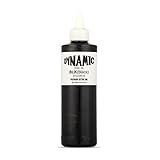
For home creators who also run physical creative studios—such as illustrators or visual artists stocking art tables with supplies like Dynamic Color Black Tattoo Ink, Made in USA Since 1990, 8 oz ($23.95) or Dynamic Color Co Triple Black Ink Bottle 8oz ($27.96)—a dynamic mic brings peace of mind. It tolerates higher ambient room activity, accidental table bumps, and cluttered work surfaces without transmitting unwanted mechanical rumble into your recording channel.
Where Condenser Microphone for Untreated Rooms Wins
While dynamic mics prioritize rejection, condenser microphones prioritize detail and nuance. A condenser mic uses an electrostatic capacitor design featuring an ultra-thin diaphragm placed parallel to a solid backplate. Because the diaphragm is exceptionally light, it responds instantaneously to subtle sound pressure variations across a wide frequency spectrum (typically 20 Hz to 20,000 Hz with minimal roll-off).
In an untreated space, a condenser microphone offers distinct advantages when handled properly:
- Vocal Articulation and Air: If your voice naturally lacks brightness or crispness, a condenser captures delicate vocal nuances, breath detail, and harmonic richness that can sound muffled on entry-level dynamic capsules.
- Comfortable Distance: You do not need to keep your lips 2 inches from the mic grille. You can sit comfortably back at 6 to 8 inches, making long work calls or stream sessions feel less restrictive.
- Low-Gain Preamp Compatibility: Condensers require +48V phantom power, which charges the internal plate and boosts output levels. This means you do not need expensive inline preamps or gain-boosting hardware to achieve clear sound levels.
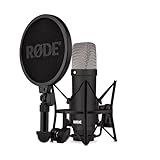
A modern studio unit like the RØDE NT1 Signature Series Studio Condenser Microphone, Black ($135) demonstrates how engineered capsule suspension and exceptionally low self-noise (just 4 dBA) can deliver pristine studio vocals. When paired with a room that has basic soft furnishings—like plush carpeting, a canvas wall hanging, or thick velvet curtains—a high-quality condenser can yield broadcast-quality results without full acoustic wall panels.
Conversely, if you only need casual omnidirectional pickup for multi-person desk meetings in shared living areas without caring about vocal isolation, simple plug-and-play boundary units like the TONOR Conference Microphone for PC, USB Microphone for Win & Mac, G11 ($29.99) represent an entirely different approach by intentionally capturing the whole room’s ambient boundaries.
Cost Over 5 Years
Evaluating the total cost of ownership between dynamic and condenser setups involves looking beyond the sticker price of the microphone itself. Untreated rooms often require secondary accessory investments to achieve clean sound.
Dynamic Setup Cost Breakdown:
- Standard Dynamic Microphone: $100 – $350
- Heavy-Duty Desktop Boom Arm (handles 1.5+ lbs): $50 – $120
- Inline Preamplifier / Gain Booster (if required for low-output models): $50 – $100
- Basic XLR Cable & Audio Interface: $120 – $200
- Total 5-Year Investment: $320 – $770
Condenser Setup Cost Breakdown:
- Studio Condenser Microphone (e.g., RØDE NT1 Signature Series, $135): $100 – $300
- Elastic Shock Mount & Metal Pop Filter: $30 – $70
- Mid-Weight Boom Arm: $40 – $90
- Basic Soft Room Treatment (Thick Area Rug, Soundproof Curtains): $100 – $250
- Audio Interface with +48V Phantom Power: $100 – $180
- Total 5-Year Investment: $370 – $890
Over a five-year lifespan, both setups cost roughly the same. The dynamic microphone setup requires slightly more upfront spending on mechanical support and preamp gain, while the condenser setup demands minor investments in room soft goods to manage flutter echoes.
Which One for Your Home
Small Apartment
In a compact 500-to-800-square-foot apartment with bare drywall, concrete ceilings, and urban street traffic, go with a dynamic microphone. The low sensitivity will block street traffic noise, hallway echoes, and kitchen refrigerator hums, saving you hours of post-production noise removal.
Family with Kids and Pets
In a busy household where dog barks, television noise, and footsteps drift down the corridor, a dynamic microphone is essential. Its off-axis rejection ensures that sound coming from behind the capsule—where your office door is located—is reduced by 15 dB to 20 dB relative to your voice.
Rental Property
If you rent your living space, drilling holes to hang permanent acoustic panels is often restricted. A dynamic microphone solves the room problem at the transducer level rather than the wall level. Combined with a sturdy clamp-on boom arm, you get clean audio without risking your security deposit.
Long-Term Home Studio
If you own your home, have wall-to-wall carpeting, bookshelves packed with books to diffuse sound, and heavy window drapery, choose a condenser microphone. A quality condenser like the RØDE NT1 Signature Series Studio Condenser Microphone, Black ($135) takes full advantage of a semi-absorptive environment, capturing natural warmth, delicate vocal nuances, and extended treble clarity that dynamic mics cannot match.
FAQ
Do I need phantom power (48V) for both dynamic and condenser microphones?
No. Standard passive dynamic microphones operate without external power. Condenser microphones require +48V phantom power delivered via an XLR audio interface or mixer to charge the internal electrostatic capsule and power the internal impedance converter circuit.
Will a shock mount solve room echo in an untreated space?
No. A shock mount isolates the microphone from mechanical vibrations passing through the floor and desk (such as footfalls or desk bumps). It does not alter how the microphone capsule receives airborne sound reflections bouncing off walls or ceilings.
Can household furniture substitute for acoustic treatment?
Yes, to a reasonable degree. Thick fabric sofas, bookshelves filled with irregular-sized books, plush area rugs with pad underlays, and heavy blackout drapes absorb and diffuse high-frequency reflections, making an untreated room far friendlier to condenser microphones.
How close should I sit when using a dynamic microphone in an untreated room?
Position your mouth 2 to 4 inches away from the grille of a dynamic microphone. Staying close maximizes the proximity effect for a deep voice tone while ensuring your direct voice is substantially louder than any indirect room reflections.
Related guides
- Best Desktop Microphone Isolation Shields for Narration: Tested and Ranked: 8 Tested (2026)
- Best Slim Led Panels for Desk Videos: Tested and Ranked: 8 Tested (2026)
- Best Ceiling Mounted Green Screens for Studios: Tested and Ranked: 8 Tested (2026)
- Best Portable Ssds for 4k Video Backup: Tested and Ranked: 8 Tested (2026)


