
Designing a streamlined home workspace or smart control hub often comes down to how you interact with your technology. As desktop setups become cleaner and home offices double as creative studios, homeowners and remote professionals face a key operational choice when comparing a hardware stream deck vs tablet software controller app. Should you invest in dedicated physical keys that sit permanently on your desk, or convert a tablet screen into a dynamic, touch-based command center?
This decision impacts more than just how quickly you can mute a microphone or trigger a lighting scene. It directly affects your desk’s visual aesthetic, surface clutter, cable management, energy draw, and long-term interior flexibility. A dedicated hardware unit offers permanent physical presence, while a tablet application turns a general-purpose display into a multi-room interface. Understanding the physical, ergonomic, and practical differences between these two controller paths ensures your home setup remains functional, stylish, and built to last.
As an Amazon Associate we earn from qualifying purchases at no extra cost to you.



Top 3 picks at a glance
Quick Verdict
Choose a hardware stream deck if you prioritize muscle memory, tactile physical feedback, near-zero setup friction, and zero battery management. Dedicated hardware devices sit securely on your desk surface, draw minimal power over a single USB cable, and allow you to execute actions without looking away from your primary monitor.
Choose a tablet software controller app if you want high visual flexibility, expansive screen space, multi-room portability, or the ability to repurpose an existing tablet. Software controllers excel at displaying dynamic data, detailed sliders, and sprawling sub-menus across larger display surfaces, making them exceptionally versatile for multi-use living spaces.
Side by Side
| Feature | Hardware Stream Deck | Tablet Software Controller App |
|---|---|---|
| Comfort & Tactile Feedback | Physical switches with distinct tactile click; easy blind operation. | Smooth glass surface; requires visual contact to locate buttons. |
| Durability & Lifespan | High impact plastic/metal chassis; mechanical key lifespans (5+ years). | Glass surface risk; battery health degrades after 3–5 years of constant charging. |
| Price Range | $100 to $250 for dedicated hardware units. | $0 to $30 for app licenses (assuming pre-owned tablet) or $150–$600+ with new device. |
| Maintenance & Power | Zero battery care; low power draw (1.5W–2.5W) via standard USB cable. | Requires battery management, screen burn-in prevention, and 5W–15W charging. |
| Space Needed & Footprint | Compact fixed footprint (~4.6 x 3.3 inches to 7.2 x 5.5 inches). | Varies by tablet size (~8 inches to 13 inches diagonal); requires tablet stand or mount. |
| Visual Look & Desk Aesthetic | Matte finish, customizable LCD key icons, integrated studio feel. | Sleek glass panel, customizable full-color themes, larger visual screen presence. |
| Resale & Reusability | Strong secondary market resale value as dedicated gear. | High general utility; tablet can be repurposed for reading, media, or smart home control. |
| Best For | Dedicated home office desks, content creation, rapid hotkey execution. | Multi-room smart home management, expansive dashboards, dynamic visual interfaces. |
Where Hardware Stream Deck Wins
Dedicated physical controllers excel in touch-blind physical execution. When you are on a video call, managing live audio, or controlling room ambience during deep focus work, pressing a physical button provides unmistakable feedback. You do not need to redirect your eyes from your main display to locate a key. The physical travel of a mechanical key switch ensures commands register instantly without accidental double-taps or misfires caused by resting a hand on the console.
Hardware stream decks also offer superior cable and power integration for stationary desks. Units like the standard Elgato Stream Deck MK.2 Studio Controller, 15 Macro Keys ($119.99) weigh roughly 0.32 pounds with a tight footprint of 4.6 x 3.3 x 1.0 inches, fitting comfortably under a monitor riser or alongside a compact keyboard. Larger options like the Elgato Stream Deck XL Advanced Studio Controller, 32 Keys ($199.99) expand key capacity while keeping total desk power consumption under 2.5 watts over a single USB connection.
Furthermore, hardware control panels avoid screen wear, lithium battery swelling, and heat production. Because they lack internal batteries, they can remain continuously powered on your desk for years without fire hazard or performance throttling. For a clean home studio setup where reliability is paramount, physical hardware remains unmatched.
Where Tablet Software Controller App Wins
Tablet software controller apps lead when screen space, multi-functional flexibility, and visual customization take priority. Converting an iPad or Android tablet into a controller provides between 8 to 12.9 inches of display real estate. This allows users to build deep nested menus, detailed audio mixer sliders, and extensive smart home dashboards that exceed the density of physical key grids.
Portability is another distinct advantage. While physical hardware stays tethered to a desktop PC, a tablet running a software control suite can be detached from its desk mount and carried into the living room, kitchen, or bedside table. You can monitor home security feeds, control smart lighting, and manage media playback from anywhere on your Wi-Fi network.
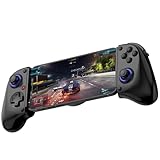
Software setups also make it easier to integrate auxiliary hardware when needed. For instance, users who configure full-studio tablet stations can pair lightweight peripherals—such as a TELEPROMPTER PAD Bluetooth Remote Control ($42.90) for long-form content work, or a Bluetooth Mobile Game Controller for Nintendo Switch 2 & iOS & Android & Tablets ($25.99) for dual controller/gaming duty—creating a modular desktop ecosystem without adding permanent static clutter.
Cost Over 5 Years
Evaluating long-term expense requires looking past the initial setup cost to consider energy usage, hardware degradation, and software subscriptions.
Hardware Stream Deck Path: A single physical controller costs between $120 and $200 upfront. Because software plugins and desktop companions are generally free, recurring costs are zero. Operating at approximately 2 watts per hour for 8 hours daily, the electricity cost totals under $0.20 per year in standard North American households. The physical switches typically last well beyond 5 years without performance drop, resulting in a total 5-year cost of $120 to $200.
Tablet Software Controller App Path: If you repurpose an existing tablet, software licenses or premium controller apps cost between $0 and $30 upfront. However, if buying a dedicated budget tablet and desktop stand, initial costs range from $150 to $350. Running a tablet continuously plugged in at full brightness draws roughly 10 to 15 watts, costing $1.50 to $2.50 annually in power. Over 5 years, constant battery charge cycles often cause battery degradation or screen burn-in, potentially requiring a battery or device replacement. Total 5-year cost ranges from $30 (using existing hardware) to $400+ (purchasing dedicated tablet hardware).
Which One for Your Home
Small Apartment
In compact living spaces where the dining table or bedroom corner serves as a dual-purpose desk, surface clutter is the primary enemy. A hardware stream deck with a small footprint keeps cables localized to your computer setup without requiring an extra tablet stand or charging dock. When the workday ends, a compact 15-key unit tucks away neatly behind a monitor base, leaving your living space visually clean.
Family with Kids or Pets
Homes with active children or pets benefit significantly from the rugged construction of hardware controllers. Solid plastic casings and rubberized anti-slip bases withstand accidental bumps, spilled water glasses, or tail wags far better than a top-heavy, glass-front tablet sitting on an elevated desk mount. Physical switches also prevent toddler hands from triggering unintended smart home actions via sensitive touch screens.
Rental Property
Renters seeking maximum utility without drilling wall mounts or adding permanent desk fixtures often prefer the flexibility of tablet controller apps. A tablet can manage desktop shortcuts during work hours, then transform into a central smart home remote, digital photo frame, or media center for the living room in the evening. This versatility ensures you do not accumulate single-use gadgets when space and move-in flexibility are priorities.
Long-Term Home
For homeowners designing dedicated home offices, custom built-in cabinetry, or permanent smart home hubs in 2026, combining both approaches offers the ultimate workflow. Placing a dedicated physical hardware unit at the primary workstation delivers rapid tactile control for daily calls and productivity macros. Meanwhile, mounting a dedicated tablet on a wall or side console provides ambient control over whole-house HVAC, lighting scenes, and security systems for the entire household.
FAQ
Can I use an old iPad or Android tablet as a stream deck replacement?
Yes. Numerous software controller applications convert older iOS and Android tablets into functional macro consoles via Wi-Fi or USB connection. This is an excellent way to repurpose legacy hardware, provided the tablet’s battery remains stable under regular charging.
Do physical hardware stream decks work without a computer running?
Generally, no. Most hardware stream decks rely on a host computer running background software to translate key presses into system commands, launch applications, or trigger smart home webhooks. They are designed primarily as desktop control surfaces rather than standalone smart hubs.
Which controller option uses less power on my desk surface?
Dedicated hardware stream decks draw significantly less power, typically consuming between 1.5 and 2.5 watts directly over a single USB port. Tablet setups require continuous screen illumination and battery trickle-charging, drawing between 5 and 15 watts depending on screen size and brightness levels.
Will a tablet screen suffer from burn-in if left on as a desk controller?
OLED and high-brightness IPS tablet displays can experience image retention or screen burn-in if left on static controller layouts for extended hours daily. Using software features like auto-dimming, dynamic background shifting, or sleep timers helps protect tablet display panels over long-term desk use.


