
Setting up a multi-host podcast in 2026 requires more than just plugging a couple of cheap microphones into a laptop and hitting record. When you have two, three, or even four people sharing a physical space and monitoring live audio feeds, your hardware needs to handle complex routing without introducing latency, hums, or digital artifacts. Choosing the right mixer board for a multi-host setup is arguably the most critical technical decision you will make, as it directly dictates both your live recording workflow and your post-production editing workload.
Many creators fall into the trap of purchasing a basic single-input audio interface and trying to split signals using cheap analog adapters, or conversely, overspending on massive live-sound boards loaded with routing features meant for touring rock bands. To avoid these costly mistakes, you need to look past flashy marketing buzzwords and focus on the core specifications that actually impact vocal clarity, independent headphone monitoring, and multitrack tracking capabilities. Let us break down what truly matters when evaluating mixer boards for a collaborative podcast.
As an Amazon Associate we earn from qualifying purchases at no extra cost to you.
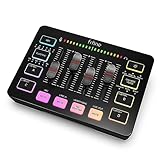
Independent Preamps and Dedicated XLR Inputs
The golden rule of multi-host audio is that every single person speaking into a microphone needs their own dedicated physical channel on the mixer board. Never attempt to use Y-splitters or stereo line inputs to cram two microphones into a single mono input channel, as this destroys your gain staging and eliminates individual volume control. Look for a board that provides at least as many independent XLR inputs as you have regular speakers, plus one extra channel for remote guests or sound pads. Furthermore, inspect the quality of the onboard preamps. Clean preamps with high gain headroom allow you to drive dynamic or condenser microphones cleanly without raising the noise floor or introducing an irritating hiss into your master tracks.
Multitrack USB Recording Capabilities
One of the most profound evolutionary leaps in modern podcasting hardware is the widespread adoption of multitrack USB audio streaming. A traditional stereo mixer sums all microphones down to a single left-and-right track before sending it to your computer, meaning if one host laughs too loudly or coughs while another is speaking, that mistake is permanently baked into the recording. A true multitrack USB mixer sends every single input channel independently to your digital audio workstation software. This allows you to mute coughs, adjust relative volume levels, fix cross-talk, and apply individual compression or EQ to each host during post-production. Always verify that your chosen board supports multitrack streaming over USB rather than simple stereo output.
Mix-Minus and Remote Call-In Integration
Collaborating with remote co-hosts or interviewing callers via phone, Skype, or Discord introduces a massive acoustic challenge: the dreaded audio feedback loop. If your remote guest hears their own voice delayed by a fraction of a second, the conversation immediately breaks down. This is where mix-minus technology becomes non-negotiable. A mixer with built-in mix-minus automatically strips the caller’s own voice out of the audio feed being sent back to them, while still letting them hear all the local hosts in the studio. In modern multi-host setups, built-in Bluetooth or TRRS smartphone connections with seamless mix-minus routing save you from configuring complex software routing bridges or external hardware hybrid boxes.
Headphone Matrix and Independent Volume Controls
When multiple people share a room, acoustic bleed from headphones into nearby open microphones can ruin an otherwise pristine recording. More importantly, every host has a different tolerance for headphone volume and distinct preferences for what they need to hear to stay comfortable during a long recording session. A proper multi-host mixer board must feature multiple independent headphone outputs, ideally each with its own physical volume rotary knob. Advanced boards even allow you to create custom headphone mixes, letting one host hear more of the soundboard effects while another focuses strictly on the vocal mix. Avoid boards that only feature a single master headphone jack paired with a passive headphone splitter.
Power Delivery and Gain Staging Mechanics
Microphone selection heavily dictates your mixer requirements regarding power delivery. If your co-hosts use studio-grade condenser microphones that require external juice, your mixer must provide robust +48V phantom power across all or at least most of its XLR channels. If you utilize gain-hungry broadcast dynamic microphones, check the maximum gain range of the preamps; you want at least 50dB to 60dB of clean gain so you do not have to max out the knobs and expose background electrical noise. Proper physical gain staging on each channel ensures your meters sit comfortably in the green zones, preventing digital clipping when someone suddenly gets excited and raises their voice.
Form Factor, Physical Routing, and Live Workflow
Software-driven touchscreen mixers look futuristic, but when you are actively managing a live, multi-host recording, reaching for a physical knob or slider is vastly superior to menu-diving on a tiny digital display. Evaluate the physical layout of the board. Are the mute buttons easily accessible? Do the faders offer enough throw distance for precise volume riding? Consider the physical footprint on your desk as well. A cluttered studio space leads to accidental cable tugs and dropped connections. Choose a board that fits your desktop ergonomics, features durable construction materials, and utilizes locking or secure power supplies so a kicked cord never abruptly ends your recording session.
Related Guides
If you are still mapping out your complete studio setup, make sure to read our Best Mixer Boards for Multi Host Podcasting breakdown. Pairing your new board with the right transducers is equally critical, so check out our guide on the Best Headphones for Podcasting. Finally, capture studio-grade vocal detail by exploring our top picks for the Best Condenser Microphones for Podcasting.
FAQ
Do all hosts need their own microphone channel on the mixer?
Yes, every regular speaker should have a dedicated XLR input and channel strip on the mixer board. Sharing a single microphone channel results in poor volume balance, phase cancellation issues, and makes individual post-production editing virtually impossible.
What is mix-minus and why is it necessary for multi-host shows?
Mix-minus is an audio routing function that sends all audio channels to a remote caller except the caller’s own voice. Without mix-minus, remote participants will experience an annoying, distracting echo of themselves caused by round-trip latency.
Should I buy a multitrack or stereo mixer for my podcast?
You should almost always choose a multitrack USB mixer for serious multi-host productions. Multitrack recording gives you separate audio files for each guest, granting you complete control over editing, volume leveling, and mistake removal during post-production.
Can I use USB condenser microphones with a traditional audio mixer?
No, USB microphones plug directly into computers via digital data ports and lack the analog XLR connections required by traditional hardware mixer boards. You must use standard analog microphones with XLR cables to connect hardware into a dedicated mixer.


