
Our Top Picks
 Focusrite Scarlett Solo 3rd Gen USB-C Audio InterfacePack of 11.71 x 5.65 x 3.77 inches0.77 poundsCheck on Amazon
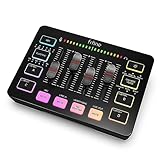
 FIFINE Ampligame SC3 Gaming Audio Mixer with Indi-Fader4.44 x 6.45 x 1.6 inches1.1 PoundsCheck on Amazon
The Short Answer
Yes — an audio interface is worth it for podcasting if you’re using an XLR microphone and you plan to record more than a handful of episodes. The one condition: you already own (or are ready to buy) an XLR mic. An interface adds no quality on its own; it’s simply the bridge that lets a professional microphone talk to your computer. If you’re happy with a USB microphone, an interface won’t help you, and you should spend the money elsewhere.
What You Actually Get
An audio interface does four jobs, and it’s worth understanding each one before you buy:
As an Amazon Associate we earn from qualifying purchases at no extra cost to you.

- Analog-to-digital conversion. Your XLR mic produces an analog signal. Your computer needs digital data. The interface’s converter chip handles that translation cleanly, typically at 24-bit depth and sample rates of 44.1 kHz or 48 kHz — more than enough for spoken word.
- A clean preamp with gain control. Dynamic podcast mics like the Shure SM7B or Samson Q2U need serious gain — often 55 dB or more. A good interface provides that without the hiss you’d get from a cheap USB adapter.
- Phantom power. Condenser mics require +48V phantom power to operate. Every interface made for podcasting includes a switch for it.
- Zero-latency monitoring. A headphone output lets you hear yourself in real time with no delay, plus a physical gain knob you can adjust mid-recording without touching your computer.
In practice, that translates to recordings with a lower noise floor, more consistent levels, and far easier editing than most USB mics deliver.
Pros
- Noticeably better sound with an XLR mic. Cleaner preamps and proper converters mean less hiss, less distortion, and more headroom.
- Future-proof. Interfaces work with virtually every XLR mic ever made, so you can upgrade mics without replacing your whole setup.
- Physical controls. Gain knobs and mute buttons beat clicking through software menus, especially live.
- Multi-mic expansion. Most interfaces support one or two mics; larger units handle four to eight for interviews and panels.
- Direct monitoring. You hear your actual voice, not a delayed echo, which makes long sessions far less fatiguing.
- Cross-platform and low-maintenance. Most modern units are class-compliant, working with Mac and Windows without drivers, and draw power over USB-C.
- Reasonable entry cost. Solid single-channel units start around $100–$150.
Cons
- Useless without an XLR mic. If you own a USB mic, an interface is dead weight — most USB mics can’t bypass their built-in converters.
- Added cost on top of everything else. XLR mic ($50–$400), cable ($10–$25), boom arm ($30–$100), and interface ($100–$300) add up fast.
- Not portable by nature. A laptop-and-USB-mic setup travels lighter than laptop, interface, mic, and cables.
- Multichannel units get expensive quickly. Once you need four or more inputs, prices climb into the $300–$600 range.
- Learning curve. Gain staging matters. Set it too low and you’ll raise the noise floor in post; too high and you clip.
Who Should Buy It
Buy an audio interface if you’re serious about podcast quality, you already own or plan to buy an XLR microphone, and you record regularly — weekly episodes, client work, or monetized shows. It’s also the right call if you want room to grow: an interface lets you upgrade your mic, add a second host, or route in a phone guest later without replacing your core hardware. Even a budget unit like the Focusrite Scarlett Solo 3rd Gen, which runs around $120 with a single XLR input and USB-C connectivity, comfortably outperforms the converter in most USB mics and weighs under a pound on your desk.
Who Should Skip It
Skip it if you’re testing the waters, recording fewer than a handful of episodes, or happy with your current USB microphone’s sound. Skip it if you record on the go and value a one-cable setup. And skip it if your budget only covers the interface itself — a $120 interface paired with a $30 mic gets you nowhere. Put the money into the microphone first; the mic matters more than what’s plugged into it.
Cheaper Alternatives
| Option | Cost | Trade-off |
|---|---|---|
| Stay with a quality USB microphone (e.g., a dynamic USB model) | $70–$160 | Good sound in one device, no extra gear — but locked to that mic’s built-in converter and limited gain |
| Budget mixer-style interface (e.g., FIFINE Ampligame SC3) | Check on Amazon | Volume control and basic XLR input at a low price, but gamer-oriented features, plastic build, and weaker preamps for quiet dynamic mics |
| Used or older-generation entry interface | $50–$80 | Nearly the same sound quality as new — but no warranty, older USB ports, and possible worn connectors |
| Recorder-based setup (handheld digital recorder as your interface) | $80–$200 | Battery-powered backup and portability — but clunkier controls and smaller preamps than a dedicated desktop unit |
FAQ
Do I need an audio interface to start a podcast?
No. Plenty of successful shows started on a $100 USB microphone plugged straight into a laptop. An interface becomes worth it once you’ve committed to the show and want the quality ceiling that XLR microphones offer.
Will an audio interface make my voice sound better by itself?
No. The interface improves the signal path — less noise, cleaner conversion, more usable gain — but your microphone and room acoustics determine most of your tone. Pair it with a decent XLR mic and something soft in the room (carpet, curtains, a closet) for the biggest gains.
How much should I spend on my first interface?
For a single host, $100–$160 buys a genuinely excellent unit with clean preamps, 24-bit/48 kHz conversion, and direct monitoring. Two-host setups should budget $150–$250 for two XLR inputs. Beyond that, you’re paying for channel count and features most podcasters never touch.
What about standalone podcast recorders or mixers instead?
They’re valid options. Podcast recorders record to an SD card without a computer, which appeals to some hosts, and mixer-style units add sound pads and faders. But for pure sound quality per dollar in 2026, a simple two-channel audio interface remains the most reliable, least complicated path for most podcasters.


