
A window fan replaces a stuffy room’s stagnant air with cooler outside air, often cutting perceived temperature by several degrees without a compressor. The problem is execution: poorly built expanders pop out at night, motors rattle on medium speed, and owners realize the “reversible” feature requires physically flipping a thirty-pound unit back and forth.
We compared published specs, current prices, and aggregated owner feedback across dozens of models to narrow this list to eight picks that handle those failure points well. What separates a good budget window fan from a mediocre one in 2026 is not raw CFM alone. It is whether the expanders lock, whether the noise floor stays tolerable at the speed you will actually run overnight, and whether the controls work without fighting you.
As an Amazon Associate we earn from qualifying purchases at no extra cost to you.


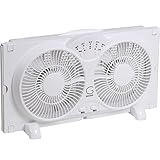

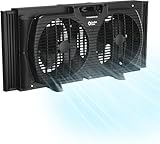

Top 3 picks at a glance
Quick Picks
| Product | Best for | Price |
|---|---|---|
| COMFORT ZONE Reversible Twin Window Fan | Overall value | $40.19 |
| Comfort Zone 9-inch with Remote & Bug Screen | Bedroom use | $52.97 |
| Bionaire Reversible Window Fan | Thermostat control | $60.35 |
| shinic 9-inch Twin Window Fan | Low noise | $59.99 |
| Genesis Twin Fan A1WINDOWFAN | High velocity airflow | $49.99 |
| shinic 180°+90° Rotatable Window Fan | Vertical windows | $49.99 |
| Comfort Zone Reversible Twin Window Fan | Simple expandable fit | $42.97 |
| shinic 9-inch with Remote Control | Remote convenience | $54.99 |
How We Picked
We filtered on four criteria that owner complaints cluster around most: expander reliability (do the panels lock and resist popping out), noise floor at the speed you would actually use overnight, reversible airflow that works without repositioning the unit, and control usability — whether a thermostat, remote, or simple dial matches how people interact with a window fan day to day. Price was a tiebreaker; every unit here under $61 delivers the functional baseline.
The 8 Best Window Fans For Home in 2026
COMFORT ZONE Reversible Twin Window Fan with 3-Speeds & Expandable Width
The entry point for twin-fan airflow without spending more than a dinner out. Expandable width handles most standard sash windows, and three speeds cover gentle circulation through direct exhaust. Owners praise the price-to-airflow ratio consistently. The main gripes are a buzzy motor on high and a basic dial that offers no timer or remote. Skip it if you need quiet overnight operation or programmable shutoff.
- Pros: Lowest price on the list with genuine twin-fan throughput
- Pros: Expandable width accommodates common window sizes
- Con: Noticeable motor buzz at top speed
Comfort Zone Window Fan for Bedroom, 9-inch Dual Fans with Remote and Bug Screen
Built for running a fan overnight with a window cracked open. The fabric cover doubles as a bug screen, solving the real problem of insects entering through the gap the fan does not seal. The remote means you never climb out of bed to change speed, and auto-locking expanders address the pop-out complaint that plagues cheaper units. Three modes cover directional needs. Downsides: slightly bulkier than the budget twin, and the white finish shows dust faster than darker housings.
- Pros: Integrated bug screen eliminates a separate annoyance
- Pros: Auto-locking expanders plus remote control add convenience
- Con: White exterior scuffs and shows dust easily
Bionaire Window Fan with Reversible Airflow Blades and Programmable Thermostat
The thermostat is why this earns its higher price. If your bedroom overshoots your target by mid-afternoon, this unit kicks on automatically without a smart-plug workaround. No assembly is a genuine quality-of-life detail owners mention approvingly. The LED display is readable from across the room. The con is fit range: at 24-to-36 inches, some older or narrower windows will not accommodate it. Skip if your window opening is under 24 inches wide.
- Pros: Programmable thermostat automates on/off by temperature
- Pros: No assembly required; setup is genuinely minutes
- Con: 24-inch minimum width excludes narrower windows
shinic 9-inch Twin Window Fan Low-Noise Reversible Airflow
shinic built this around one selling point: low noise. Owners echo that the unit stays quiet enough for adjacent-room sleep, and the 23.5-to-37-inch fit range covers almost any window without fuss. ETL certification is reassuring but standard here. The con is aesthetic and feature-related: it looks utilitarian, the control panel is plain, and there is no remote or thermostat. If you care about design integration, this is a performance-first choice. Skip if remote or thermostat control is non-negotiable.
- Pros: Noise floor is the lowest among twin models here
- Pros: Wide 23.5–37-inch fit covers nearly all window sizes
- Con: No remote or thermostat; controls are purely manual
Genesis Twin Fan High Velocity Reversible AirFlow Fan
High velocity is the operative word. The Max Cool Technology pushes a stronger direct breeze than most units in this bracket, which matters for larger rooms or high ceilings. The adjustable thermostat and LED indicators add useful feedback at under $50. Owners note it runs louder than quieter rivals on high speed, and the white housing is plain. Skip if your primary concern is bedroom silence rather than raw airflow volume.
- Pros: Higher velocity than most units in this price range
- Pros: Adjustable thermostat with LED status indicators
- Con: Noticeably louder on high speed than quieter rivals
shinic 3-Speeds Window Fan with 180°+90° Rotatable Fans
This solves a niche but real problem: vertical or unusual window orientations. The rotatable blades let you angle airflow up, down, or sideways — something no other unit here can do. Rigid and accordion expanders together handle the 21.65-to-33.27-inch range. Manual reversibility means you physically flip the unit for exhaust mode. The con: the rotation mechanism adds a moving part that could loosen over years, and setup takes longer. Skip if you have a standard horizontal sash and do not need angled airflow.
- Pros: Rotatable fans enable airflow angles other units cannot
- Pros: Combined rigid and accordion expanders improve fit stability
- Con: Manual reversal requires physically repositioning the unit
Comfort Zone Reversible Twin Window Fan with 3-Speeds & Expandable Width
Functionally very similar to the first Comfort Zone entry but at $42.97 versus $40.19. Owner feedback differences are marginal — slightly thicker expanders, a more stable base in certain frames. If the first model is unavailable or ships from a distant warehouse, this is the swap. The same noise and control limitations apply. Skip if the extra few dollars feels unjustified; buy whichever arrives faster.
- Pros: Reliable expandable-width fit with a sturdy base
- Pros: Same reversible twin-fan layout as the cheaper sibling
- Con: No meaningful feature upgrade over the $40.19 model
shinic 9-inch Window Fan Low-Noise Reversible Remote Control
This adds a remote to shinic’s quiet single-fan platform. You get the low-noise reputation plus speed and direction changes from bed. ETL certified, fits standard windows, and the white finish blends into most bedroom setups. The single 9-inch fan moves less total air than twin models above, so this suits smaller rooms. Skip if you need to cool anything larger than a modest bedroom or study.
- Pros: Remote control combined with low-noise operation
- Pros: Reversible airflow without repositioning the unit
- Con: Single fan limits total airflow for larger rooms
Buying Guide
Expander Type and Fit Range
Rigid panels hold width better over time; accordion expanders adapt to odd sizes but are the parts that pop loose. If your window is a standard 24-to-32-inch sash, either works. If the frame is older, narrower, or wider, measure the opening and confirm the spec sheet covers it with margin. Auto-locking mechanisms reduce the pop-out risk that drives most negative reviews.
Noise at the Speed You Will Use
Manufacturer noise ratings typically cite the lowest setting. Owner complaints about noise almost always reference medium or high. Twin-fan units produce more total air but also more combined motor sound. If bedroom silence matters, a single 9-inch fan at medium is often quieter than a twin on its lowest speed.
Reversible Airflow and Control Type
Reversibility switches between pulling cool air in and pushing warm air out — useful in the evening after the house has heated all day. Verify whether reversal is automatic (a button or mode) or manual (flip the unit). A thermostat or timer adds convenience but is not essential if you are consistent about turning the fan off manually.
Our Verdict
Top pick: The Bionaire with programmable thermostat ($60.35) wins for anyone who wants set-and-forget operation — the thermostat automation justifies the premium and removes a daily decision from the routine. Budget pick: The COMFORT ZONE at $40.19 is the clear value play; it moves real air, reverses, and expands to fit. Condition where another wins: If bedroom quiet is your absolute priority, the shinic 9-inch twin at $59.99 produces the lowest noise floor on this list and will let a partner sleep through it.
FAQ
Are window fans better than box fans for cooling a room?
Window fans exploit the outside air temperature differential, so they generally pull cooler air in faster than a box fan recirculating already-warm indoor air. A box fan remains better for spot-cooling someone at a desk.
Do I need a twin-fan unit or is one fan enough?
One fan is sufficient for rooms under roughly 150 square feet. Twin units help in larger spaces or when you want simultaneous intake and exhaust across the same opening, which requires both fans on a single reversible unit.
Will a window fan work in a horizontal sliding window?
Most models here are designed for vertical sash windows. A horizontal slider requires a narrower-profile unit or the rotatable shinic model, which can be oriented to fit the track. Check the depth specification against your window before ordering.
How long do window fans typically last?
With regular cleaning of blades and screens, owners report three to five years of daily seasonal use before motor wear becomes noticeable. Sealed-bearing units with ETL certification tend toward the longer end of that range.


