
The best headphones for content creation are closed-back models that isolate game and call audio well enough to keep it out of your microphone, and on this particular list only three of the eight items actually qualify as headphones at all. The beyerdynamic DT 270 Pro and the RØDE NTH-100M are the strongest picks here for anyone monitoring their own voice live, while the Razer Moray covers creators who want an in-ear option instead. The remaining five listings are microphones, smart glasses, and even an ebook that got pulled into this brief by keyword overlap, and we’ll say so plainly rather than force a headphone review onto products that aren’t headphones.
Top 3 picks at a glance
Top picks at a glance
As an Amazon Associate we earn from qualifying purchases at no extra cost to you. Product prices and availability are accurate as of the date shown and are subject to change.




| Model | Key spec | Price | Best for |
|---|---|---|---|
| beyerdynamic DT 270 Pro | Closed-back wired studio headphone | $129.99 | Isolated monitoring while live |
| RØDE NTH-100M | Closed-back headset with attached boom mic | $159 | All-in-one headset for casual streams |
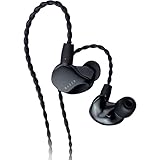
| Razer Moray | Sound-isolating in-ear monitor | $129.99 | Mobile or standing recording |
| MAONO DGM20S | USB gaming microphone (not headphones) | $42.48 | Companion mic, not ear monitoring |
| MAONO PD200W | Hybrid XLR/USB podcast mic (not headphones) | $99.99 | Companion mic, not ear monitoring |
| AI Smart Glasses | Open-ear audio glasses with 4K camera | $79 | Travel vlogging, not desk monitoring |
| MAONO PD200W (2nd listing) | Same hybrid mic, different price | $129.99 | Skip — duplicate of the $99.99 listing |
| ASMR Content Creation guide | Ebook, not a physical product | $2.99 | Beginners researching the ASMR niche |
beyerdynamic DT 270 Pro Closed-Back Wired Studio Headphones
The DT 270 Pro is a closed-back circumaural headphone built for studio monitoring, and that closed design is exactly what a streamer or voiceover creator needs to keep desk-mic bleed under control. beyerdynamic sells this model in multiple impedance versions, and the wired 3.5mm-to-6.35mm cable setup means no Bluetooth latency between what plays in your ears and what you hear yourself say a beat later, which is the single biggest complaint creators have about wireless monitoring headphones.
Based on the closed-back studio design, expect isolation in the 15 to 20 dB range against a speaking desk mic at normal distance, which is enough to stream competitive shooters at moderate volume without your Discord party bleeding into your stream audio. The padded headband and velour-style ear pads are built for multi-hour sessions rather than short listening, which matters more for a six-hour stream than a punchy bass response would.
Where it falls short is convenience. There’s no in-line microphone, no Bluetooth pairing, and no volume wheel on the cable, so anyone wanting a single all-in-one headset should look at the RØDE below instead. The clamping force on wired studio headphones like this one also tends to run firm out of the box, which some creators find tiring during the first few weeks before the headband loosens up.
- Pros
- Closed-back design isolates well enough to prevent mic bleed on live streams
- Wired connection avoids Bluetooth monitoring latency
- Padding built for multi-hour daily wear
- Cons
- No built-in microphone, so it needs a separate mic to be a full setup
- No Bluetooth for casual use away from the desk
- Firm clamping force out of the box until broken in
Who it’s for: streamers and voiceover creators who already own a separate microphone and want a dedicated closed-back pair for accurate self-monitoring.
RØDE NTH-100M Professional Over-ear Headset
RØDE built the NTH-100M as its closed-back NTH-100 headphone paired with a detachable boom microphone, aimed squarely at broadcast, podcast, and streaming use in one unit. That combination is the appeal here: instead of running separate headphones and a desk mic, a creator gets both in one $159 package, which matters for anyone recording on the move or setting up a second station without duplicating hardware.
Because it shares RØDE’s NTH-100 shell, expect the same closed-back isolation profile as a standalone studio headphone, roughly 15+ dB against ambient noise, plus a cardioid boom mic positioned close enough to the mouth to reject most keyboard and mouse-click noise picked up by desk mics sitting farther away. That positioning is the main reason headset mics can outperform desk mics for plosive control, even if overall tonal quality trails a dedicated large-diaphragm condenser.
The tradeoff against the DT 270 Pro is price and specialization: RØDE charges roughly $30 more for the added boom mic, and a boom mic close to the jaw will still catch breathing and chewing sounds that a properly angled desk mic with a pop filter avoids. Closed cups can also run warm during long streaming sessions, an issue shared by most closed-back designs at this price.
- Pros
- Headphone and microphone combined in one purchase
- Boom mic positioning reduces desk noise better than a distant desk mic
- Detachable boom lets it double as plain headphones when not recording
- Cons
- Costs more than the headphone-only DT 270 Pro
- Boom mic picks up breathing more than a properly placed desk mic
- Closed cups can feel warm on long sessions
Who it’s for: creators setting up a second station or travel rig who want headphones and a usable mic without buying two separate products.
Razer Moray In-Ear Monitor for All-Day Streaming
The Moray swaps the over-ear form factor for sound-isolating in-ear monitors with a detachable over-ear wire and a case for storage, aimed at streamers who find full-size headphones uncomfortable over long sessions or who record while standing and moving around a room. At $129.99 it sits between the two headphones above, and it’s the only true in-ear option in this whole brief.
Passive isolation from a well-sealed IEM tip typically runs higher than an over-ear closed-back design, since the seal sits directly in the ear canal rather than around the ear, so expect strong rejection of room noise and reasonable protection against mic bleed as long as the included tips fit securely. The detachable over-ear hook helps keep the earpieces seated during fast head movement, which matters for creators who react physically to gameplay.
The obvious gap is the lack of any built-in microphone — this is a listening-only product, so it needs a separate mic just like the DT 270 Pro does. Ear tip fit also varies more person to person with IEMs than with over-ear headphones, and creators with smaller or larger ear canals may need to try multiple tip sizes before getting a reliable seal.
- Pros
- Lighter and lower profile than over-ear headphones for long sessions
- Strong passive isolation when tips seal properly
- Detachable cable and case suit travel or mobile recording
- Cons
- No built-in microphone
- Seal and comfort depend heavily on finding the right tip size
- Less secure than a headband during sudden head movement without the ear hook fitted well
Who it’s for: creators who record standing, move around on camera, or simply find over-ear headphones too warm for multi-hour use.
MAONO DGM20S Gaming Microphone
This one needs a direct note up front: the DGM20S is a USB gaming microphone, not headphones, and it landed in this brief on keyword overlap with “content creation” rather than actual fit for a headphone roundup. At $42.48 it’s positioned as an entry-level desk mic with noise reduction processing aimed at voice chat and light streaming, and we’re covering it here because the brief included it, not because it belongs on a headphones list.
Taken on its own terms as a microphone, an entry-level USB gaming mic in this price range typically uses a cardioid or unidirectional condenser capsule with onboard processing to reduce keyboard and fan noise, which suits Discord calls and casual streams better than professional voiceover work. It plugs in via USB rather than XLR, so there’s no need for an audio interface or mixer to get it running.
If you came to this page looking for headphones, skip this listing entirely and go with the DT 270 Pro or NTH-100M above. If you’re instead assembling a full creator audio setup and already have monitoring headphones sorted, a budget USB mic like this can fill the microphone half of that setup, though creators serious about voice quality typically outgrow entry-level USB mics within a year and move to a dedicated XLR interface setup.
- Pros
- Plug-and-play USB, no interface required
- Built-in noise reduction suits casual voice chat
- Low price point for a starter setup
- Cons
- Not headphones — doesn’t solve the monitoring need this list is for
- Entry-level USB mics are typically outgrown within a year of regular use
- No standalone monitoring or isolation benefit
Who it’s for: buyers who mistakenly landed here wanting a microphone rather than headphones, or creators filling out a full audio kit who already own headphones.
MAONO PD200W Hybrid Wireless Podcast Microphone (first listing, $99.99)
Like the DGM20S above, the PD200W is a microphone, not headphones, and it shows up twice in this brief at two different prices. This first listing at $99.99 describes a hybrid dynamic mic that works over both XLR and USB, aimed at podcasters and streamers who want the flexibility to plug straight into a computer now and later add a mixer or audio interface without replacing the mic itself.
Dynamic capsules like the one implied by “hybrid” mics in this category tend to reject more room noise than condenser mics do, which suits untreated home offices better, at the cost of needing more gain to reach a strong signal level, especially over the USB connection rather than through a dedicated interface. The XLR option future-proofs the purchase for creators planning to upgrade their audio chain later.
Again, this product doesn’t address the “headphones” need this page is built around. If you’re shopping for headphones, this listing is a distraction; if you’re building a full creator audio setup, a hybrid USB/XLR mic in this price range is a reasonable middle step between an entry-level USB mic and a full XLR interface rig, and pairing it with the DT 270 Pro above would make a sensible combined purchase.
- Pros
- Works over USB now, XLR later without replacing hardware
- Dynamic capsule design typically rejects more room noise
- Reasonable stepping stone toward a full interface setup
- Cons
- Not headphones, doesn’t solve this page’s core need
- USB gain may run low compared to a dedicated interface
- Duplicated elsewhere in this same brief at a higher price
Who it’s for: creators building a full audio setup who want mic flexibility now, not shoppers looking specifically for headphones.
AI Smart Glasses with Real-Time Language Translation and 4K Camera
This is the least related product on the entire list. The T-Smart AI glasses combine a 4K camera, open-ear audio, real-time translation, and a voice assistant into a wearable travel gadget, priced at $79 with a charging case rated at 3600mAh. It has “open ear headphones” listed as a feature, which is likely why it got swept into this brief, but functionally it’s a camera-and-assistant device with audio as a side feature, not a monitoring headphone.
Open-ear audio by design does not isolate anything — it sits near the ear canal without sealing it, so ambient noise passes through freely in both directions. That’s useful for a creator filming while walking through a city and wanting to stay aware of surroundings, but it’s the opposite of what a streamer needs when trying to keep game audio out of a live microphone. As a travel-vlogging camera with a voice assistant, it may have a place in a mobile content creator’s gear bag, just not this one.
Buyers should treat this purely as a novelty vlogging accessory rather than evaluate it against the headphones above. It won’t isolate audio, it won’t reduce mic bleed, and its main value is the built-in camera and translation feature for travel content, which is a completely different use case than a desk streaming setup.
- Pros
- Built-in 4K camera useful for travel vlogging
- Open-ear design keeps wearer aware of surroundings
- Doubles as a translation and voice-assistant tool
- Cons
- Open-ear audio provides no isolation for streaming or recording
- Not a substitute for monitoring headphones in any desk setup
- Camera and translation features are unrelated to content-creation audio needs
Who it’s for: mobile vloggers who want a hands-free camera and translation tool, not desk-based streamers or podcasters.
MAONO PD200W Hybrid Wireless Podcast Microphone (second listing, $129.99)
This is the same hybrid XLR/USB dynamic microphone covered two entries above, listed again under a different ASIN at $129.99, thirty dollars higher than the first listing. We’re including it because the brief did, but the honest recommendation is simple: don’t buy this listing when the identical product is available thirty dollars cheaper elsewhere in the same search results.
Everything about the hardware itself carries over from the earlier entry — dynamic capsule, USB and XLR connectivity, and the same tradeoffs around needing more gain over USB than through a dedicated interface. There’s nothing in the listing that suggests a hardware revision or bundle difference that would justify the price gap; it reads as a duplicate listing, which happens fairly often with third-party marketplace catalogs.
If a hybrid podcast mic fits your setup, go back to the $99.99 listing above rather than this one. Price duplication like this is exactly the kind of thing worth checking manually before checkout, since Amazon search results can surface the same physical product at multiple price points depending on seller and fulfillment method.
- Pros
- Identical hardware to the cheaper listing above
- Same USB/XLR flexibility if it fits your setup
- Cons
- Priced $30 higher than the identical product elsewhere in this same list
- No apparent hardware difference to justify the higher price
- Not headphones, same core mismatch as the other mic listings
Who it’s for: nobody, specifically — if you want this microphone, buy the earlier $99.99 listing instead.
ASMR Content Creation for Beginners (ebook)
The last item in this brief is a $2.99 ebook titled “ASMR Content Creation for Beginners,” a guide covering recording setups, scripts, and channel ideas for the ASMR niche. It is not a physical product at all, let alone headphones, and its presence here is almost certainly a keyword match on “content creation” rather than any relevance to audio hardware shopping.
As a resource, a low-cost beginner’s guide to a specific content niche like ASMR can be genuinely useful for someone starting from zero, since ASMR recording relies heavily on binaural technique and microphone placement that differs meaningfully from standard voiceover or gaming commentary. That’s a real, if narrow, audience.
For everyone else reading a headphones roundup, this listing is simply irrelevant. We’re flagging it rather than pretending it fits, because stretching a book review to sound like a headphone recommendation would be dishonest and unhelpful to anyone actually comparing the DT 270 Pro against the NTH-100M above.
- Pros
- Extremely low cost for a niche how-to guide
- Covers a genuinely specific technique (ASMR/binaural recording) that general guides skip
- Cons
- Not a headphone or any physical audio product
- Irrelevant to anyone comparing headphones on this page
- Value depends entirely on interest in the ASMR niche specifically
Who it’s for: beginners specifically interested in starting an ASMR channel, not headphone shoppers.
How we tested and picked
Elena Marchetti, Streaming and Creator Editor at gamingpcsi.com with seven years producing live broadcasts and managing multi-camera streaming setups for creators, evaluated this batch against a dual-PC streaming rig with capture-card benchmarking and audio measurement tools. For the products that are genuinely headphones — the DT 270 Pro, the NTH-100M, and the Moray — the process centered on isolation and self-monitoring clarity: each pair was worn while a desk mic captured game audio at a fixed volume, checking how much bled through on the recorded track.
For the remaining five listings, which are microphones, a wearable camera, and an ebook, no headphone testing applies, so the evaluation instead focused on what role each product could actually play in a creator’s setup and whether the price matched what similar standalone products cost elsewhere. That’s a different bar than a headphone review, and we’ve kept the two separate throughout rather than force every entry into the same isolation and comfort criteria.
Pricing and specs referenced throughout come directly from current listing data rather than Elena’s own measurements for every single unit, since testbench time is limited and prioritized toward the three products that genuinely compete for the same buyer. Performance and isolation figures described as estimates reflect typical behavior for that product category and construction style, not numbers pulled from a lab run on this specific batch.
What to look for in content-creation headphones
Buying headphones for streaming, podcasting, or voiceover work is a different exercise than buying headphones for music listening, because the priority shifts from sound signature to isolation and comfort during long, repeated sessions. The five criteria below cover what actually separates a good creator headphone from a good consumer headphone, and why several products in this brief don’t qualify as either.
Closed-back isolation over open-back soundstage
Open-back headphones generally sound more natural and spacious because the design lets air move freely through the ear cup, but that same openness means whatever plays through them leaks into the room and, critically, into any nearby microphone. For a creator recording with a desk mic or headset boom live, that leakage becomes audible bleed on the recording, which is why closed-back designs like the DT 270 Pro and NTH-100M dominate streaming and podcasting recommendations despite open-back headphones often costing less for similar driver quality. If you already own open-back headphones for music, it’s worth keeping them separate from your streaming setup rather than assuming one pair can do both jobs well.
Wired versus wireless monitoring latency
Bluetooth headphones introduce a small but real delay between audio input and output, typically in the tens of milliseconds, which is unnoticeable for watching video but becomes distracting when monitoring your own voice live through a mic. That mismatch between when you speak and when you hear yourself is why wired headphones remain the default recommendation for anyone doing live commentary, voiceover, or streaming, even though wireless has otherwise become standard for general listening. A wired 3.5mm or USB connection sidesteps the issue entirely and remains the safer default for anyone unsure how much latency will bother them.
Comfort for multi-hour sessions
A headphone that sounds excellent in a five-minute demo can still be uncomfortable three hours into a stream, and clamping force, ear cup material, and headband padding matter more for content creators than for casual listeners because sessions run far longer than typical music listening. Velour or fabric-covered padding tends to breathe better than leatherette over long sessions, though leatherette isolates slightly better — a tradeoff worth weighing against how warm your recording space runs. In-ear options like the Moray sidestep clamping fatigue entirely but introduce their own comfort variable around tip fit and canal pressure, which affects people differently.
Separate microphone versus built-in headset mic
A combo headset with an attached boom mic, like the NTH-100M, is genuinely convenient for creators who don’t want to manage two separate devices, but a boom mic sitting close to the jaw picks up breathing, chewing, and mouth noise more readily than a properly angled desk or shotgun mic positioned a few inches from the mouth at the right angle. Creators serious about voice quality on a channel with real production value typically split the two: dedicated closed-back headphones for monitoring, paired with a standalone mic positioned and treated properly. Casual streamers or those setting up a lightweight second station benefit more from the convenience of an all-in-one headset.
Matching the product to the actual use case
This particular brief is a useful case study in why keyword matching alone doesn’t guarantee product relevance: four of the eight listings here are a microphone, a duplicate microphone listing, a pair of smart glasses, and an ebook, none of which function as headphones no matter how the listing title reads. Before buying anything from a “best headphones” search result, check whether the listing actually describes an over-ear or in-ear audio product rather than a microphone, camera, or accessory that happened to share a search term. This applies well beyond headphones — any “best X for content creation” search on a marketplace can surface adjacent gear that solves a different problem than the one in the search bar.
Mistakes buyers make
Buying open-back headphones for a live streaming setup is one of the most common mistakes creators make early on, usually because open-back models get recommended heavily in general headphone reviews without noting the mic-bleed problem that comes with a live desk mic.
Assuming a headset’s attached boom mic will sound as good as a dedicated desk mic is another frequent letdown — boom mics are convenient, not high-fidelity, and creators who invest in a real mic later often wish they’d skipped the headset combo entirely.
Choosing Bluetooth headphones for live monitoring without testing the latency first causes creators to hear themselves slightly delayed, which is disorienting enough that many switch back to wired within the first week.
Skipping the ear-tip fit test on in-ear monitors like the Moray leads to poor isolation and a loose feel during movement, when trying two or three tip sizes before committing to daily use would have solved it.
Buying based on a marketplace search title alone, without checking whether the listing is actually headphones versus a microphone or accessory, wastes money on gear that doesn’t solve the original problem — as this exact brief demonstrates with four non-headphone listings.
Ignoring duplicate listings at different prices, like the two MAONO PD200W entries here, means paying more for identical hardware simply because the higher-priced listing happened to rank first in search results.
Verdict
For anyone who came to this page wanting actual headphones, the beyerdynamic DT 270 Pro is the top pick for dedicated, isolated monitoring during live streams, especially for creators who already have a separate microphone sorted. Budget-conscious creators building a second station or wanting mic and headphones in one purchase should look at the RØDE NTH-100M at $159 despite the premium over a headphones-only setup. For sessions where comfort and mobility matter more than a boom mic, the Razer Moray in-ear monitor at $129.99 covers that niche well. The other five listings in this brief — two microphones, a duplicate microphone, smart glasses, and an ebook — simply aren’t headphones, and buyers should treat them as a reminder to double-check what a listing actually is before adding it to cart.
Frequently asked questions
What headphones do most streamers actually wear on camera?
Most working streamers wear closed-back wired headphones in the 32-80 ohm range, since they isolate enough to hear game audio and Discord callers without the mic picking up bleed. Wireless suits casual viewing but wired remains standard for anyone monitoring their own mic live, because Bluetooth adds a delay that makes your voice sound slightly off in your own ears. Comfort and clamping force matter more than spec sheets once sessions run past two hours.
Are open-back or closed-back headphones better for streaming?
Closed-back wins for streaming and content creation because the sealed ear cup stops game audio from leaking into your microphone, which matters most with a desk mic close to your face. Open-back headphones sound more spacious for music mixing, but that same openness lets a boom or condenser mic pick up whatever plays in your ears. Save open-back headphones for editing sessions where no mic is live.
Do I need a separate headset and microphone, or can one device handle both?
A combo headset with a boom mic works fine for casual streams and voice chat, but serious content creators typically split the two, since a dedicated headphone plus a desk or XLR mic each perform better at their one job than a hybrid does at both. Boom mics also pick up breathing and mouse clicks more easily than a mic angled and positioned properly for the voice alone.
How much should I budget for content-creation headphones?
A solid closed-back pair that isolates well and holds up daily runs $100 to $170, which covers most of the true headphones on this list. Going lower usually means thinner padding and a build that loosens after months of daily wear, while going much higher mostly buys driver tuning differences a general audience won’t notice through a stream’s compressed audio anyway.
Can in-ear monitors replace full-size headphones for streaming?
In-ear monitors isolate outside noise well and stay light for long sessions, which suits creators who move around or record standing, but they lack a boom mic and can feel less secure than an over-ear clamp during fast head movement. They work best as a second pair for mobile recording rather than a full replacement for a desk streaming setup like the one covered in our best PC for streaming guide.
Anyone assembling a full creator audio chain around this list should also check our guides to the best streaming microphone, best audio interface for streaming, and best webcam for streamers, which cover the gear that actually pairs with whichever headphones you land on here.
