
Most multi-host podcasters make the same mistake at the start: they connect every microphone to a single audio interface and call it a day. The result is a flat, undifferentiated mix where hosts talk over each other, background bleed creeps in from the wrong channel, and nobody can adjust their own level without stopping the recording. A dedicated mixer board solves this by giving each host individual fader control, onboard effects processing, and per-channel gain staging that an interface alone simply cannot replicate.
What separates a genuinely useful mixer for podcasting from one that collects dust is how well it balances per-channel control with workflow simplicity. The best mixer boards for multi host podcasting in 2026 let you set levels before you hit record, adjust on the fly without touching software, and output a clean summed signal via USB. Below we break down eight boards across price tiers, from budget-friendly gaming mixers that punch above their weight to full-featured digital workstations built for serious production teams.
As an Amazon Associate we earn from qualifying purchases at no extra cost to you. Product prices and availability are accurate as of the date shown and are subject to change.
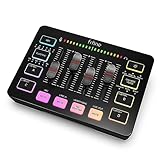


Top 3 picks at a glance
Quick Picks
| Product | Best for | Price |
|---|---|---|
| FIFINE Ampligame SC3 | Streamers who also podcast | $52.99 |
| PUPGSIS Gaming Audio Mixer | Tightest budget, two hosts | $27.99 |
| MAONO E2 Gen2 Bundle | Plug-and-play starter kits | $149.99 |
| Aveek 5 Channel Mixer | Four to five host shows | $49.99 |
| Mackie DLZ Creator XS | Solo producers wanting automation | $499.99 |
| 4-Channel Bluetooth Mixer | Mobile or hybrid setups | $58.89 |
| Pyle 8 Channel DJ Mixer | Large roundtable recordings | $91.99 |
| TENLAMP G10 Bundle | Pre-built two-mic packages | $189.99 |
How We Picked
We evaluated each board on four criteria that matter most when multiple hosts share a signal chain: individual channel gain control (can you isolate one loud speaker from another without a DAW?), USB output quality and reliability across popular recording software, physical layout that lets you adjust levels by feel during a live conversation, and whether the mixer provides onboard processing like compression or noise gating that keeps a rough-sounding mic from ruining an entire episode. Price-to-feature ratio was weighted last, because a cheap board you cannot actually use for podcasting is not a bargain.
The 8 Best Mixer Boards For Multi Host Podcasting in 2026
FIFINE Ampligame SC3 Gaming Audio Mixer with Indi-Fader and Volume Control
This is the board you grab when you stream games and record a podcast from the same desk. The individual faders let you set each host’s level independently, and the volume control keeps the overall output consistent even when one person leans too close to their mic. It connects to PC and consoles without fuss, making it a natural fit for creators who cross between platforms.
- Individual faders per input give real per-channel control
- Compact footprint keeps a gaming desk from becoming a studio rack
- Limited input count restricts shows with more than two or three hosts
Skip this if your show regularly involves four or more speakers, since you will run out of channels quickly.
PUPGSIS Gaming Audio Mixer For Streaming, Sound Board for PC/Phone
At under thirty dollars, this is the lowest-risk entry point for a two-person podcast that needs more than an interface can offer. Phone and PC connectivity mean you can record a remote guest by routing their call audio back through the mixer, giving you both channels in a single USB output. Sound effects pads add production flair without requiring a software trigger.
- Extremely low price with usable sound quality for casual recording
- Phone integration simplifies remote guest workflows
- Build quality and preamp headroom are noticeably thin compared to pricier options
Not ideal if your hosts use dynamic microphones that demand serious gain, because the preamps here top out before loud sources.
MAONO E2 Gen2 Podcast Equipment Bundle Audio Interface Mixer
MAONO’s E2 Gen2 bundle removes all decision fatigue. You get the mixer, cables, and mounting hardware in one box, tuned to work together out of the package. For podcasters who want a clean USB signal without fiddling with driver settings or gain staging, this is a strong plug-and-play choice. The audio interface functionality means it doubles as your primary recording path.
- Included accessories save additional purchase and setup time
- Interface and mixer combined in a single cohesive unit
- Bundle pricing means you pay for accessories you may already own
Experienced users with existing gear will find better value in a standalone mixer rather than paying for bundled extras.
Aveek 5 Channel Audio Mixer, Built-in PC Recording Interface Sound Board
Five channels is the sweet spot for roundtable podcasting, and this Aveek delivers it without a steep learning curve. Each input gets its own gain knob and EQ section, so you can tame a bright condenser on channel one while boosting a dynamic mic on channel three. The built-in USB interface outputs the summed mix directly into your recording software.
- Five channels accommodate most multi-host formats comfortably
- Per-channel EQ lets you fix tonal issues at the source rather than in post
- Larger desk footprint than compact mixers, which matters in tight spaces
If your studio desk is already crowded with monitors and a keyboard, the width here might force a rearrangement.
Mackie DLZ Creator XS Adaptive Digital Mixer for Podcasting
This is the mixer that does the work for you. Adaptive processing listens to your inputs and applies compression, EQ, and noise gates automatically, which means a host who drifts off-axis or gets too loud still lands at a consistent level in your recording. For a solo producer running a multi-host show with minimal technical support, that automation is genuinely valuable.
- Adaptive processing removes guesswork from level and tone management
- Digital routing flexibility lets you save and recall show profiles
- Premium price puts it out of reach for hobbyists and small-budget shows
Not necessary if you already know your way around a DAW compressor plugin and prefer manual control over automation.
4-Channel Bluetooth Audio Mixer, Recording PC Mixer with XLR USB Interface
Four XLR channels with Bluetooth input make this a practical choice for hybrid shows where one host appears via phone or wireless speaker. The USB interface provides a clean digital output, and the XLR connectors accept professional microphones without adapters. It occupies a middle ground between the ultra-budget mixers and the premium units, hitting usable specs at a fair price.
- Bluetooth channel opens up wireless guest and source options
- Four true XLR inputs handle pro-grade microphones natively
- Generic branding means long-term firmware or driver support is uncertain
Be cautious if you need guaranteed software updates or a support team, as the manufacturer presence is minimal.
Pyle 8 Channel DJ Audio Mixer, Bluetooth, DSP FX, USB, Audio Interface
Eight channels means this Pyle unit can handle a panel discussion, a live audience mic, and a phone guest simultaneously. DSP effects and USB interface functionality give you onboard processing without leaving the hardware. It is more mixer than most podcast setups need, but for shows that regularly host large groups or incorporate live music, the headroom is welcome.
- Eight inputs eliminate the “what if we get one more person” anxiety
- Onboard DSP effects add production value without software plugins
- DJ-oriented layout takes time to relearn if you are coming from podcasting-specific gear
Small two- or three-person shows will find the channel count and physical size excessive for their needs.
TENLAMP G10 Creator Audio Mixer Bundle with Dual Microphones
Everything a two-host podcast needs arrives in one package here: mixer, two matched microphones, and the interconnects between them. Because the mics are selected to complement the mixer’s preamp characteristics, you avoid the common trap of pairing a low-output dynamic mic with a board that lacks sufficient gain. Setup is fast, and the matched pair ensures both hosts sound consistent without extra EQ work.
- Matched microphones and mixer guarantee compatible gain staging from the start
- Complete bundle eliminates separate shopping for cables and adapters
- Mic quality is serviceable but not exceptional if you upgrade to a higher-end board later
Podcasters who already own quality microphones should buy a standalone mixer instead of paying for bundled mics they will not use.
Buying Guide
Channel Count and Input Type
Match your board’s channel count to your typical headcount plus one spare for a remote guest or backup mic. XLR inputs are non-negotiable if your hosts use professional dynamic or condenser microphones, since they provide the balanced connection and phantom power needed for those capsules to perform. A board with only TRS or 3.5mm jacks will limit your microphone options and likely produce noise at higher gains.
USB Output Reliability and Driver Support
A mixer is only as useful as its ability to send a clean summed signal to your recording software. Look for class-compliant USB audio that works without installing proprietary drivers, which means no compatibility surprises when you update your operating system. Check whether the board offers direct USB monitoring (hearing yourself without latency) versus DAW monitoring, since the former matters most if you record in software that struggles with buffer settings.
Onboard Processing vs. Post-Production Fix
Compression, noise gating, and EQ built into the mixer hardware catch problems at the source before they become embedded in your recording file. For multi-host shows where one speaker consistently overpowers another or a noisy room causes issues, onboard processing can save hours of editing. If you are comfortable handling everything in post with plugins, you can prioritize build quality and I/O over processing features and spend less.
Our Verdict
The Aveek 5 Channel Audio Mixer is our top pick for most multi-host podcasters: five channels, per-channel EQ, and a built-in USB interface at a price that leaves budget for quality microphones. The PUPGSIS is the clear budget pick for anyone starting a two-person show with minimal cash. However, if your workflow leans toward one-person operation managing a complex remote show, the Mackie DLZ Creator XS wins outright because its adaptive processing eliminates the need for real-time manual intervention entirely.
FAQ
Do I need a mixer if I already have an audio interface?
An interface gives you inputs and a clean digital signal but typically lacks per-channel physical controls for gain, EQ, and monitoring levels. A mixer adds hands-on control during recording, which matters most when multiple hosts need quick adjustments without alt-tabbing into software.
Can I use a DJ mixer for podcasting?
Yes, with caveats. DJ mixers often feature crossfaders and beat-matching controls that are irrelevant for spoken content, and their EQ curves are tuned for music rather than voice clarity. For podcasting, a board designed with voice in mind will get you usable levels faster.
How many channels do I need for a podcast with three hosts?
Three inputs minimum for the hosts, plus one for a phone guest or remote call routed through the mixer. Four to five channels gives you breathing room for a fourth contributor, a backup mic, or a music bed source without unplugging anything mid-show.
Is a Bluetooth audio mixer worth it for podcasting?
Bluetooth adds a convenient wireless input for phone calls or tablet audio, which is useful in hybrid shows. The tradeoff is potential latency and compression that can degrade voice quality slightly. For a dedicated wired setup, you do not need it, but for mobile or irregular recording locations it saves meaningful setup time.

