
For YouTube, camera and microphone matter more than your PC, lights, or editing software. Viewers will forgive 1080p video, but they click away from soft focus that hunts and audio that hisses, echoes, or clips every time you laugh. The good news is you don’t need cinema gear to fix it.
Most YouTubers fall into two setups: a plug-and-play webcam plus USB mic for talking-head, commentary, gaming, and streaming-style videos, or a mirrorless / DSLR-style camera plus external mic for a dedicated filming space. Both can look and sound professional. Pick based on how much setup hassle you will tolerate every time you hit record.
As an Amazon Associate we earn from qualifying purchases at no extra cost to you.


Top 3 picks at a glance
Cameras: webcam is fine for most beginners
A modern 1080p or 4K webcam is the lowest-friction way to start. You mount it on your monitor, plug in USB, select it in OBS or your camera app, and you are filming. No capture card, no dummy battery, no overheating worries. For desk videos, reactions, tutorials, and talking-head vlogs, a good webcam in a well-lit room is sharp enough for YouTube.
The failure mode is autofocus and low light. Most webcams use small sensors and aggressive sharpening. In a dim bedroom they get noisy, lose detail, and the autofocus will pulse when you lean forward or hold up a product. If your background is busy, the auto-exposure will also pump when you wear a white shirt or move near a window. Fix it with one cheap softbox or window light in front of you, lock exposure if your software allows it, and sit 2-3 feet from the lens.
A mirrorless camera with clean HDMI or USB webcam mode is a clear step up for shallow depth of field, skin tones, and low light. You get a large sensor, real lens, and proper manual focus. It suits creators with a fixed desk or studio corner who film in batches. The trade-offs are real: you need a tripod or desk mount, continuous power, and often a capture device to get the best quality. Cheap lenses can actually look worse than a webcam if you miss focus, and many cameras will overheat or hit a record limit after 30-60 minutes if you record internally.
Who should skip both? If you film on the move, cooking, DIY, or outdoors, an action camera or your phone on a small tripod usually beats a webcam. Do not buy a mirrorless camera just for Zoom-style talking heads unless you enjoy fiddling with settings. Be honest: if lighting is bad, a $30 light will improve your video more than a $700 camera upgrade.
If you want simple, start by browsing a 4K webcam for streaming with autofocus and a decent-size sensor, then spend what you saved on light and audio.
Microphones: this is where to spend first
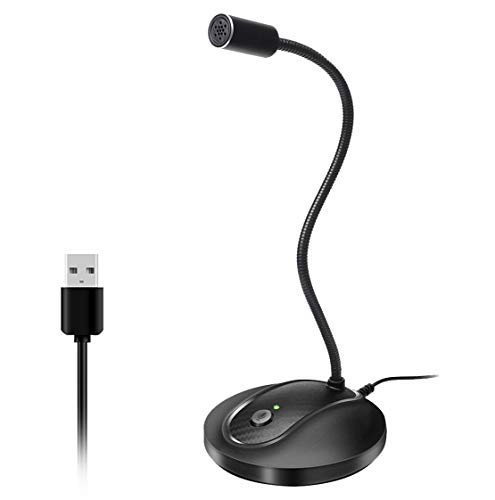
For YouTube, audio upgrades pay off faster than camera upgrades. Most creators should get a USB condenser or dynamic mic on a boom arm before they upgrade a camera. USB means direct plug-and-play with no interface, and a cardioid pattern rejects some room echo.
Condenser USB mics sound bright and detailed, which flatters quiet voices in treated rooms. The failure mode is they hear everything: keyboard, fan, room echo, traffic. If your room is bare walls and hardwood floors, a condenser 12 inches from your mouth will sound hollow. A dynamic USB mic is more forgiving. It picks up less background, handles loud laughs and close talking without harsh clipping, and works better in untreated bedrooms. It needs you to stay close, 2-4 inches, and often needs more gain.
Lavalier / wireless mics suit moving presenters, fitness, interviews, and top-down creators who step away from the desk. Wired lavs are cheap and reliable. Wireless gives freedom but adds batteries, dropouts, and interference to manage. Shotgun mics on top of a camera are good for vlogs and run-and-gun, terrible for desk work where they sit 4 feet away in an echoey room.
Common failure modes to avoid: gain set too high so plosives and S sounds distort, mic sitting on the desk picking up every keystroke, and monitoring through speakers causing echo. Put the mic on a boom arm off the desk, 3-6 inches off-axis from your mouth, add a foam cover or pop filter, and record a 20-second test clapping and speaking loudly before a full session.
In most untreated rooms, a simple USB dynamic microphone for podcasting will give you cleaner YouTube dialogue than a sensitive condenser at twice the price.
What combos work in practice
Desk commentator / gamer / educator: 1080p or 4K webcam + USB dynamic mic on boom arm + one key light. Total setup time is under 10 minutes and it looks consistent every video. This is fine for 90% of talking-head channels up to 50k subs.
Dedicated studio talking-head: mirrorless camera at 24 or 30fps, 35mm to 50mm equivalent lens at f/2.8 to f/4, USB dynamic or XLR mic through interface. Better separation and low-light performance, but lock white balance and manual focus once. If you move around, use autofocus with face tracking and test it first; hunting focus ruins more takes than soft 1080p ever will.
Mobile / how-to / vlog: phone or action camera for video + wired lav or compact wireless mic for audio. Never rely on the in-camera mic beyond 3 feet. Wind and room reverb kill intelligibility fast.
If you also stream live, keep the chain simple enough to run for two hours without touching it. Separate recording and streaming profiles matter more than 4K. Many YouTubers film in 4K but deliver in 1080p for the extra crop room. You only need true 4K delivery if you do detailed product close-ups.
| Setup | Best for | Strengths | Watch out for |
|---|---|---|---|
| Webcam + USB mic | Talking head, gaming, tutorials | Cheap, fast, consistent | Noise in low light, AF pulsing |
| Mirrorless + external mic | Studio, interviews, b-roll | Depth of field, low light, detail | Cost, power, focus, heat, capture setup |
| Phone / action cam + lav/wireless | Vlog, DIY, movement | Flexible, small, good in daylight | Shaky audio, wind noise, poor indoor light |
| USB condenser on boom | Quiet treated room | Detailed, bright voice | Picks up echo, fans, keyboard |
| USB dynamic on boom | Untreated bedroom, loud voice | Rejects room noise, handles loud peaks | Must stay close, needs gain |
What to buy and what to skip
Prioritize in this order: 1) mic placement and room, 2) light, 3) lens/camera. A $120 webcam with a $100 light and a $100 mic positioned correctly will beat a $1,000 camera in a dark echoey room. That is not a slogan, it is how sensors and small mics behave.
Skip 8K, ultra-wide gimmicks, and mics with 4 pickup patterns you will never use. Stick to cardioid. Skip XLR unless you already own an interface and know you need it. XLR sounds marginally better in good hands but adds gain staging, cables, and ground-loop hum if you buy the cheapest interface.
Check these before you buy: does the camera do clean HDMI or UVC webcam mode without extra software? Does it run powered via USB-C / dummy battery for 2+ hours without overheating? Does the mic work with your OS without drivers, and can you hear yourself with zero-latency monitoring? Can you mount it all: C-clamp for boom, 1/4-inch thread for camera? Returns are common because mounts do not fit desks.
For creators building a starter kit in one order, search for a webcam boom arm microphone bundle for YouTube to compare what is included, then buy the mic and camera separately if the bundle mic uses a desk stand instead of a boom. Placement beats brand.
FAQ
Is a webcam good enough for YouTube?
Yes for desk-based videos if you add front light and keep the room reasonably bright. If you want blurry backgrounds, better low light, or product close-ups, move to a mirrorless camera. Upgrade light and mic first.
Should I get USB or XLR microphone for YouTube?
Get USB unless you stream, record music, or run multiple mics. USB is simpler and sounds excellent close up. Choose XLR only if you need an interface, hardware mute / processing, or long cable runs.
Why does my audio echo or sound hollow?
That is usually room reverb plus a mic too far away. Move the mic to 2-4 inches, lower gain, add soft furnishings or curtains behind you, and avoid recording in kitchens or empty rooms. Dynamic mics help in untreated spaces.
Do I need 4K for YouTube?
No. 1080p with clean focus, good light, and clean audio outperforms soft 4K. Shoot 4K if you want to crop or stabilize, but export 1080p unless your viewers watch product detail full-screen.


