“Basic” is a loaded word in laptops. For some buyers it means a machine that opens email, a browser, and a spreadsheet without drama. For others it means the cheapest thing that can run Windows. The keyword best basic laptop sits between those meanings: you want something simple, dependable, and not stuffed with features you will never use, but you still want it to feel responsive on a Tuesday afternoon with eight tabs open.
This guide is for parents buying a household computer, retirees who want a straightforward screen, and anyone who needs a second laptop for the kitchen table. In 2026 even entry-level models have wide spec gaps, so the comparison below leans on the numbers that matter most: RAM, storage type, screen size and brightness, processor class, and the Wi-Fi standard. Every judgment is based on the specs stated in each listing.
Our Top Picks
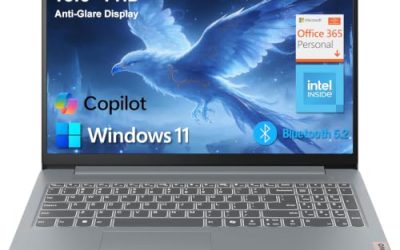
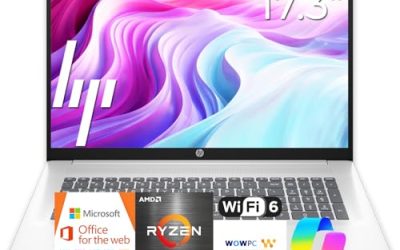
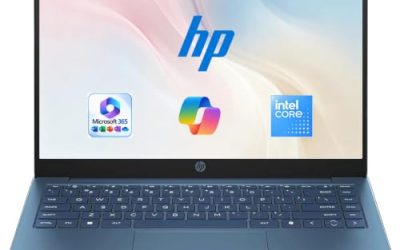
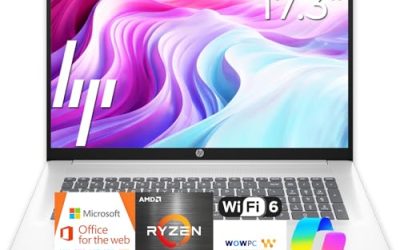
 HP 14" Ultra-Light Laptop for Student & Home4GB|128GB Storage20 x 15 x 4 inches4.41 poundsCheck on Amazon


Top 3 picks at a glance
Quick Picks
As an Amazon Associate we earn from qualifying purchases at no extra cost to you.



| Product | Best for | Key spec from the title |
|---|---|---|
| HP 14 Laptop (Intel N150) | Light web and email use | Intel N150, 4GB RAM, 128GB UFS, 14-inch HD |
| HP 14 Ultra-Light (Celeron N4500) | Students and home use on the move | Celeron N4500, 4GB RAM, 64GB eMMC plus 64GB SD, 12-hour claim |
| Dell 15.6 Laptop | The most capable all-rounder here | Core 3 100U, 8GB RAM, 512GB SSD, Wi-Fi 6 |
| OTVOC 15.6-Inch | Buyers who want to upgrade later | 4GB SO-DIMM RAM, 128GB SSD, upgradeable RAM and SSD |
| Acer Aspire 3 A315-24P | Smooth everyday tasks on a Full HD screen | Ryzen 3 7320U, 8GB LPDDR5, 128GB NVMe SSD, Wi-Fi 6 |
| HP 14 Laptop (N150, DDR5) | Cloud-first users with minimal local files | N150, 4GB DDR5, 128GB SSD, 1TB cloud storage |
How to Choose
Processor class sets the ceiling
Intel N150 and Celeron chips are built for low power draw and basic tasks, so they suit browsing, streaming, and documents. A step up to Core 3 or Ryzen 3 chips gives noticeably quicker app launches and smoother multitasking. If the laptop must last five or more years, favor the stronger processor class even if the rest of the specification sheet looks modest. A slightly pricier chip often saves you from a full replacement two years sooner than planned, which costs more in the long run than the original gap.
RAM and storage are where basic models cut corners
Four gigabytes of RAM technically runs Windows 11, but it leaves almost no room for growth. Eight gigabytes is the sweet spot for a basic machine that still feels fresh in year three. For storage, an SSD, especially an NVMe one, beats eMMC and UFS for speed, and 128GB is fine only if you rely on cloud services for photos and documents.
Screen size and quality
A 14-inch display is easier to carry, while 15.6 inches suits older eyes and long reading sessions. Full HD resolution looks sharper than a plain HD panel, and a listed brightness figure such as 250 nits is a useful sign that the maker has not hidden a dim screen. Anti-glare coatings help in bright rooms, and they matter more than you expect if the laptop will sit near a window or a kitchen counter.
What to ignore
Ignore model-year labels, vague claims such as “high performance,” and bundled cloud storage if you already have an account you like. Instead, check RAM, drive type, and Wi-Fi generation. Wi-Fi 6 is a cheap, future-friendly feature, so lack of it on a newer listing is a mild warning sign. Also look for a real webcam and a headphone jack, since they are the small basics that people notice only after the box is open.
The 6 Best Options
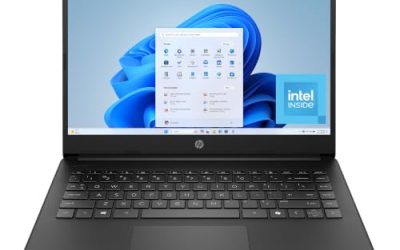
HP 14 Laptop (Intel N150)
This HP lists a 14-inch HD display, an Intel N150 processor, 4GB of RAM, a 128GB UFS drive, and Windows 11 Home with a one-year Microsoft 365 Personal subscription. It is the model for someone who wants a plain, recognizable brand and mainly browses, streams, and writes emails.
- Strength: a compact 14-inch body with a bundled productivity subscription.
- Strength: the N150 is named as the processor in the title, which keeps the specification list easy to read.
- Trade-off: 4GB of RAM and a UFS drive limit speed once the system fills up.
Skip it if you plan to keep a dozen tabs open, or if you need lots of local storage. It is a laptop for simple routines, and it is happiest when asked to do only a few things at a time. A household with several users sharing one account will fill the small drive faster than expected.
HP 14 Ultra-Light (Celeron N4500)
HP positions this model for student and home use with a Celeron N4500, 4GB of RAM, 64GB of eMMC plus a 64GB SD card, and a one-year Office 365 subscription. The title also claims a 12-hour battery life. It suits a light user who values weight and endurance above speed.
- Strength: the long battery claim favors travel and couch use.
- Strength: a lightweight 14-inch frame is easy to move around.
- Trade-off: eMMC storage and 4GB of RAM feel sluggish over time.
Skip it if you want fast boot times or plan to install many programs. The split between internal flash and a removable card also means some files live in two places, which can confuse less technical family members.
Dell 15.6 Laptop
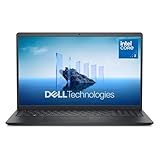
The Dell stands out with an Intel Core 3 100U processor, 8GB of DDR4 RAM, and a 512GB SSD on a 15.6-inch Full HD anti-glare IPS panel with a listed brightness of 250 nits. Wi-Fi 6 and Bluetooth are named in the title. For a basic laptop, this is the configuration that should stay comfortable the longest.
- Strength: 8GB of RAM and a 512GB SSD give real room to grow.
- Strength: an anti-glare IPS Full HD screen makes long reading easier.
- Trade-off: a 15.6-inch body is less pocketable than the 14-inch rivals.
Skip it if portability is your top priority or the lowest possible cost is the only goal. At this size it is a desk-and-sofa machine more than a commuter companion, and buyers who need the lightest option should look at the 14-inch models.
OTVOC 15.6-Inch
OTVOC lists a Core 8100Y processor, 4GB of SO-DIMM RAM, a 128GB SSD, and a 15.6-inch Full HD IPS display with a 2MP webcam and a cooling fan. The standout line is “Upgradeable RAM+SSD,” which means the buyer can add memory and storage later instead of replacing the whole laptop.
- Strength: upgradeable RAM and SSD extend the useful life.
- Strength: a Full HD IPS screen and a cooling fan are included.
- Trade-off: it ships with only 4GB of RAM, so an upgrade is almost a requirement.
Skip it if you do not want to open the case or buy extra parts. The value case depends on following through, because the base memory alone feels tight by modern standards. Buyers comfortable with a small screwdriver and a compatible memory stick get the most from this listing.
Acer Aspire 3 A315-24P
The Aspire 3 pairs a 15.6-inch Full HD display with an AMD Ryzen 3 7320U quad-core processor, AMD Radeon graphics, 8GB of LPDDR5 memory, a 128GB NVMe SSD, and Wi-Fi 6. It sits between the cheapest picks and the Dell, with a more modern processor than the Intel N-series chips.
- Strength: Ryzen 3 and 8GB of fast LPDDR5 memory handle everyday multitasking.
- Strength: an NVMe SSD and Wi-Fi 6 feel current.
- Trade-off: 128GB of storage is small for a machine that should last years.
Skip it if you keep large photo or video libraries on the laptop itself. A buyer who already uses an external drive or cloud backup will find the capacity workable, while someone who edits family videos will hit the limit within months.
HP 14 Laptop (N150, DDR5)
This second HP lists an Intel N150 CPU, 4GB of DDR5 RAM, a 128GB SSD, and 1TB of cloud storage, with Windows 11 and Microsoft 365. It is built for users who store files online and want a light, simple machine for email, shopping, and video chats.
- Strength: an SSD rather than eMMC makes startup feel snappier.
- Strength: the included cloud storage helps offset the small drive.
- Trade-off: only 4GB of RAM, even if it is DDR5, caps multitasking.
Skip it if you dislike cloud services or want a bigger screen. Treat the cloud allowance as a convenience rather than a substitute for a proper backup habit, and remember that the 14-inch panel is smaller than the 15.6-inch options in this group.
Which One Fits Your Situation
You want one laptop that lasts
Choose the Dell 15.6. The Core 3 processor, 8GB of RAM, and 512GB SSD give the best chance of staying useful for years. Its anti-glare IPS screen also makes it the most comfortable for reading long documents.
You want speed without spending more than you need
The Acer Aspire 3 offers a newer processor and fast memory, which makes daily tasks feel quick even with modest storage. It is the pick for shoppers who want a fresher-feeling machine without moving up to a premium tier.
You like to tinker or upgrade
Go with the OTVOC. Its upgradeable memory and SSD let you add resources later rather than buying again. Check the listing or manual for the exact memory type before buying a stick, since compatibility matters.
You just need email and video chat
The HP 14 with the N150 and DDR5 memory is enough for light use, especially if your files live in the cloud. Set up a backup, because a small drive with a single copy of important files is a risky mix.
Common Mistakes
- Buying a 4GB machine and expecting it to feel quick after a year of updates.
- Treating total storage as one number when eMMC and SD cards behave very differently from an SSD.
- Ignoring the screen, then discovering a dim HD panel is tiring to read.
- Paying for cloud storage or office bundles you will never use.
- Choosing by the model-year label instead of by processor, RAM, and drive type.
Related guides
- When I Turn On Record Game In Background On Gamebar. Gamebar Crashes, What Do I Do?
- How To Reduce Background Noise On A Streaming Microphone
- Poly Computer Accessories Company Streaming Evaluation
Frequently Asked Questions
Is 4GB of RAM enough for a basic laptop?
It can run light browsing and documents, but it will feel tight over time. Eight gigabytes is a safer baseline for most households. If the budget allows even a small step up, the extra memory is the single most useful upgrade.
What is the difference between eMMC, UFS, and an SSD?
eMMC and UFS are compact flash storage that costs less but is generally slower than a proper SSD. NVMe SSDs are the fastest of the group and make a big difference in startup and app loading.
Should a basic laptop have Wi-Fi 6?
It is a good sign, since it improves connection stability on modern routers. If a model lacks it, the laptop will still work but may feel dated sooner.
Are bundled Microsoft 365 subscriptions worth it?
They help if you do not already have an office suite, but they usually last one year. Factor in renewal needs before treating them as a long-term benefit.
Related guides
More from Amazon
Programs that pair well with the guide above. Offers and eligibility are set by Amazon and may change.
Free shipping on eligible items, Prime Video and more. Eligible new members can start with a free trial.
Start a Prime free trialAd-free music streaming. Eligible new subscribers can start with a free trial.
Try Music Unlimited freeA Prime membership for ages 18-24 with a trial period. Eligibility is set by Amazon.
See Prime for Young AdultsAudiobooks and podcasts to listen to on the go. Eligible new members can start with a free trial.
Try Audible freeAs an Amazon Associate we earn from qualifying purchases.