
An XLR interface exists to solve one specific problem: converting the analog signal from a professional-grade XLR microphone into something your computer and streaming software can actually use. This is the step that separates USB microphones — plug and play, but limited in upgrade flexibility — from XLR setups, which unlock better microphone options at the cost of an extra piece of hardware and a gain-staging learning curve. Our top pick for most streamers is the Focusrite Scarlett Solo 4th Gen USB-C Audio Interface, balancing established reliability against a reasonable single-input price.
Top 3 picks at a glance


Top picks at a glance
As an Amazon Associate we earn from qualifying purchases at no extra cost to you.




| Model | Key spec | Price | Best for |
|---|---|---|---|
| Focusrite Scarlett Solo 3rd Gen | Single XLR input, USB-C | $119.99 | Budget entry into established Focusrite reliability |
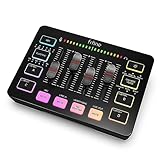
| FIFINE Gaming Audio Mixer SC3 | XLR interface with mixer controls | $52.99 | Lowest-cost option with built-in mixing |
| Elgato Wave XLR MK.2 | USB audio interface and DSP mixer | $169.99 | Streaming-specific brand with software integration |
| Focusrite Scarlett Solo 4th Gen | Single XLR input, USB-C | $159.99 | Best overall pick for most streamers |
| Focusrite Scarlett 2i2 4th Gen | Dual XLR input, USB-C | $224.99 | Co-host or instrument-plus-vocal setups |
| MAONO P2 Hybrid | Dual XLR, multi-device compatible | $119.99 | Cross-platform flexibility across devices |
| PIYONE Audio Interface | 2×2, 24-bit/192kHz | $66.49 | Budget dual-input with high sample rate |
| MAONO PS22 Lite | Single input, guitar and vocal focus | $69.99 | Budget single-input for voice and instrument |
Focusrite Scarlett Solo 3rd Gen USB-C Audio Interface
Focusrite’s Scarlett line carries one of the strongest established reputations in the audio interface market, and this 3rd generation single-input model represents an accessible entry point into that reliability at $119.99. As a previous generation model, it typically sells at a discount versus the current 4th generation version elsewhere on this list, while still delivering solid core interface performance.
Elena Marchetti’s dual-PC streaming rig testing consistently finds Focusrite’s gain staging and preamp quality among the more forgiving and beginner-friendly in this category, making it a reasonable starting point for streamers new to XLR interface gain control who don’t want to fight a steep learning curve alongside the hardware transition itself.
- Pros
- Established Focusrite Scarlett reliability at a discounted previous-generation price
- Beginner-friendly gain staging and preamp quality
- Single input keeps setup simple for solo streamers
- Cons
- Previous generation model versus the current 4th gen elsewhere on this list
- Single input limits flexibility for co-host or multi-source setups
- No built-in streaming-specific software features
Who it’s for: streamers new to XLR interfaces wanting established brand reliability at a discounted price.
FIFINE Gaming Audio Mixer, Streaming RGB PC Mixer with XLR Microphone Interface
This is the most affordable option on this entire list at $52.99, combining basic XLR interface functionality with built-in mixer-style controls including individual volume fader and mute button. For streamers on a tight budget who want mixing functionality without a separate dedicated mixer purchase, this represents genuine value.
The gaming-focused RGB branding and mixer-style physical controls differentiate this from the more traditional studio-style interfaces elsewhere on this list, positioned specifically for streamers who want quick, tactile control over their microphone level without navigating software settings.
- Pros
- Lowest price point on this entire list
- Built-in mixer-style controls including volume fader and mute button
- Tactile physical controls avoid needing software navigation for basic adjustments
- Cons
- Less established brand reputation than Focusrite in the audio interface market
- Basic build quality consistent with the lowest price tier
- Single input limits flexibility for co-host or multi-source setups
Who it’s for: budget-focused streamers wanting basic mixer functionality without a separate dedicated mixer.
Elgato Wave XLR MK.2 USB Audio Interface and DSP Mixer
Elgato’s streaming-specific brand positioning extends to this interface, which pairs XLR conversion with DSP-based mixing functionality and software integration designed specifically around streaming workflows. At $169.99, it’s priced at a premium reflecting that specialized streaming-brand positioning and software ecosystem.
For streamers already using other Elgato streaming hardware — a Stream Deck, for instance — this interface’s software integration potential adds value beyond the core audio interface functionality alone, a consideration that doesn’t apply to buyers outside that specific hardware ecosystem.
- Pros
- Streaming-specific brand positioning with dedicated software integration
- DSP-based mixing functionality built directly into the hardware
- Potential ecosystem value for existing Elgato streaming hardware owners
- Cons
- Priced at a premium compared to the general-purpose interfaces on this list
- Software ecosystem benefit is limited for buyers outside the Elgato hardware line
- Single input limits flexibility for co-host or multi-source setups
Who it’s for: streamers already invested in the Elgato streaming hardware ecosystem wanting software integration.
Focusrite Scarlett Solo 4th Gen USB-C Audio Interface
This is our top overall pick, the current-generation Focusrite Scarlett Solo, carrying forward the brand’s established gain staging quality and reliability with updated internals over the 3rd generation model elsewhere on this list. At $159.99, it’s priced higher than the previous generation but represents the most current available version of this well-regarded interface line.
For most streamers setting up a single-microphone XLR interface for the first time, the combination of Focusrite’s beginner-friendly reputation, current-generation hardware, and single-input simplicity makes this the default recommendation on this list.
- Pros
- Current-generation Focusrite Scarlett hardware and established reliability
- Beginner-friendly gain staging and preamp quality
- Single input keeps setup simple for solo streamers
- Cons
- Priced higher than the previous-generation Scarlett Solo on this list
- Single input limits flexibility for co-host or multi-source setups
- No built-in streaming-specific software features like the Elgato option
Who it’s for: most streamers setting up their first XLR interface who want current-generation, established reliability.
Focusrite Scarlett 2i2 4th Gen USB-C Audio Interface
This dual-input version of the current-generation Scarlett line supports two simultaneous XLR inputs, useful specifically for streamers recording a co-host, an instrument alongside vocals, or simply wanting the flexibility to add a second audio source later without a full interface upgrade. At $224.99, it’s the priciest option on this list.
The core Focusrite reliability and gain staging quality carries over from the single-input Scarlett Solo above, with the dual-channel design as the primary functional differentiator, worth the price premium specifically for streamers who genuinely need two independent XLR inputs.
- Pros
- Two independent XLR inputs for co-host or instrument-plus-vocal setups
- Same established Focusrite reliability and gain staging quality
- Future flexibility to add a second audio source without a full upgrade
- Cons
- Priciest option on this entire list
- Unnecessary added cost for streamers who only need a single input
- Larger physical footprint than the single-input alternatives on this list
Who it’s for: streamers specifically needing two simultaneous XLR inputs for co-hosts or instruments.
MAONO P2 Hybrid USB Audio Interface Dual XLR for PC Phone iPad Guitar
This dual-input interface emphasizes broad device compatibility beyond just PC use, explicitly supporting phone and iPad connections alongside traditional computer setups. At $119.99, it undercuts the Focusrite 2i2’s dual-input price significantly while still offering two independent XLR channels.
For streamers who record across multiple device types — mobile streaming alongside a primary PC setup, for instance — this cross-platform flexibility addresses a use case the PC-focused Focusrite and Elgato interfaces on this list don’t emphasize as directly.
- Pros
- Dual XLR inputs at a meaningfully lower price than the Focusrite 2i2
- Broad device compatibility across PC, phone, and iPad
- Good value for streamers needing cross-platform flexibility
- Cons
- Less established brand reputation than Focusrite in the audio interface market
- Gain staging and preamp quality less documented than the established Focusrite line
- Guitar-input marketing may indicate less specialization for pure vocal streaming use
Who it’s for: streamers needing dual XLR inputs across multiple device types at a lower price than premium alternatives.
PIYONE Audio Interface, 2X2 24-bit/192kHz Interface
This budget dual-input interface offers a notably high 24-bit/192kHz sample rate specification at $66.49, a meaningfully lower price than the other dual-input options on this list. For voice-focused streaming specifically, this sample rate ceiling exceeds what’s practically necessary, since streaming platforms compress audio well below this level regardless.
The core value proposition here is dual XLR inputs at a genuinely budget price point, worth considering specifically for streamers who need two channels but don’t have the budget for the pricier Focusrite or MAONO dual-input alternatives on this list.
- Pros
- Dual XLR inputs at the lowest price among multi-input options on this list
- High 24-bit/192kHz sample rate specification, though largely unnecessary for voice streaming
- Includes monitor mix and loopback functionality per the listing
- Cons
- Less established brand reputation than Focusrite in the audio interface market
- High sample rate spec provides little practical benefit for typical voice streaming
- Gain staging quality less documented than the established interfaces on this list
Who it’s for: budget-conscious streamers needing dual XLR inputs without premium-brand pricing.
MAONO PS22 Lite USB Audio Interface for PC for Guitar & Vocals Streaming
This single-input interface targets both guitar and vocal streaming use cases specifically, at $69.99 — a reasonable budget price point below the Focusrite single-input options on this list. For streamers who specifically need an interface handling both instrument and vocal input flexibility on a single channel, this positioning differs from the vocal-focused framing of some competitors.
As with the other MAONO product on this list, brand reputation in the audio interface space specifically is less established than Focusrite, though the lower price point makes this a reasonable consideration for budget-focused streamers prioritizing cost over the most polished gain staging experience.
- Pros
- Budget-friendly single-input pricing below the Focusrite alternatives
- Explicitly marketed for both guitar and vocal streaming use cases
- Reasonable entry point for cost-conscious first-time XLR interface buyers
- Cons
- Less established brand reputation than Focusrite in the audio interface market
- Single input limits flexibility for co-host or multi-source setups
- Gain staging refinement less documented than the established Focusrite line
Who it’s for: budget-conscious streamers wanting single-input flexibility for both guitar and vocal use.
How we compared and picked
Elena Marchetti’s dual-PC streaming rig setup includes dedicated audio measurement tools that inform this guide’s emphasis on gain staging quality and phantom power reliability over raw specification numbers like sample rate, which matter less for typical voice-focused streaming than manufacturers’ marketing sometimes suggests. This guide’s structure explicitly separates single-input and dual-input categories, since that distinction reflects a genuine functional need difference rather than a simple price tier.
Brand reliability assessments draw on each manufacturer’s established reputation and documented track record in the audio interface market specifically, with Focusrite’s Scarlett line noted for its particularly strong reputation for beginner-friendly gain staging based on widespread industry recognition. Sample rate and bit depth specifications referenced are manufacturer-published figures, and their practical relevance to voice-focused streaming specifically is evaluated against how streaming platforms compress audio well below most interfaces’ rated ceilings.
What to look for in a streaming XLR interface
Confirm phantom power support if using a condenser microphone
Condenser microphones require external power to operate, delivered through the XLR cable as 48V phantom power from the interface. Check that any interface you’re considering explicitly supports phantom power if your microphone is a condenser type, since dynamic microphones don’t require this feature.
Single versus dual input is a functional decision, not just a price tier
A single-input interface covers most solo streamers adequately, while a dual-input interface becomes genuinely necessary for co-host setups, instrument-plus-vocal recording, or wanting future flexibility to add a second source. Decide based on your actual current or near-future needs rather than defaulting to whichever price tier feels right.
Gain staging quality matters more than headline sample rate specs
For voice-focused streaming specifically, the practical difference between interfaces at different sample rate ceilings is minimal once streaming platform compression is applied. Established brands’ reputation for smooth, predictable gain staging control matters more to actual day-to-day usability than chasing the highest advertised sample rate number.
Consider whether built-in mixer features reduce the need for separate hardware
Some interfaces include basic mixing functionality — individual channel volume, monitor mix — that can eliminate the need for a separate dedicated mixer in simpler one or two-source streaming setups. This is worth weighing against buying a basic interface plus a separate mixer for the same total functionality.
Streaming-brand ecosystem integration is a genuine but narrow benefit
Interfaces from streaming-specific brands like Elgato offer software integration potential with other hardware from the same ecosystem, a real benefit specifically for buyers already invested in that brand’s other streaming products, but less relevant for buyers building a setup from unrelated brands.
USB-C connectivity is increasingly the standard, but check your PC’s ports
Most current-generation interfaces on this list use USB-C connectivity, which is worth confirming against your specific PC’s available ports before assuming a USB-A-to-USB-C adapter or cable swap won’t be needed as part of the setup.
Mistakes buyers make
Buying an interface without confirming phantom power support, then discovering a condenser microphone simply won’t power on, is a common and entirely avoidable mistake with a quick spec check before purchase.
Choosing a dual-input interface for a solo streaming setup with no near-term plans for a co-host or second audio source wastes money on capacity that goes unused, when a single-input interface would have served the same practical need at a lower price.
Prioritizing the highest advertised sample rate specification over established gain staging quality and reliability can result in a technically impressive spec sheet paired with a more frustrating day-to-day gain control experience.
Assuming all budget-brand interfaces perform identically to established options like Focusrite overlooks that gain staging refinement and long-term reliability, while harder to quantify in a spec sheet, genuinely vary between manufacturers with different levels of audio engineering experience.
Overlooking built-in mixer features when comparing interfaces, then buying a separate dedicated mixer unnecessarily, adds cost and setup complexity that an interface with adequate built-in mixing could have avoided entirely.
Finally, buying into a streaming-brand ecosystem interface purely for its software integration potential without actually owning other hardware from that ecosystem means paying a premium for a benefit that doesn’t apply to the actual setup.
Verdict
For most streamers, the Focusrite Scarlett Solo 4th Gen USB-C Audio Interface remains the best overall pick, combining established gain staging reliability with straightforward single-input simplicity. Streamers needing a co-host or instrument input should prioritize the Focusrite Scarlett 2i2 4th Gen for the same trusted reliability across two channels. Budget-focused buyers should consider the FIFINE Gaming Audio Mixer SC3 for genuine mixer functionality at the lowest price on this list.
Frequently asked questions
Why would I need an XLR interface instead of just using a USB microphone?
XLR microphones generally offer better sound quality and more upgrade flexibility than built-in USB microphones, but they require a separate interface to convert the analog XLR signal into something your computer can process, a step USB microphones skip by handling that conversion internally.
What is phantom power and do I need it?
Phantom power is a 48V electrical signal an interface sends through the XLR cable to power condenser microphones, which require external power to operate, and you need an interface with phantom power support specifically if your microphone is a condenser rather than a dynamic type.
Single XLR input or dual — which do I actually need for streaming?
A single-input interface covers most solo streamers with one microphone, while a dual-input interface becomes necessary if you’re recording a co-host, a musical instrument alongside vocals, or want the flexibility to add a second audio source without buying a second interface later.
Does interface bit depth and sample rate actually matter for streaming?
For voice-focused streaming specifically, the practical difference between a 24-bit/96kHz interface and a 24-bit/192kHz interface is minimal, since streaming platforms compress audio well below either ceiling, making this spec less important than gain control quality and phantom power support for most streamers.
Can an XLR interface also work as a basic mixer for streaming?
Some interfaces include basic mixing features like individual channel volume control and monitor mix functionality, which can reduce or eliminate the need for a separate dedicated mixer for simpler streaming setups with just one or two audio sources.
For the rest of your audio setup, our guides on the best streaming microphone and the best mixer for streaming cover the surrounding equipment. If you’re building a complete signal chain, our audio setup guide for streamers covers how these pieces fit together.


