Streaming channel growth follows a predictable pattern that most new streamers underestimate in timeline and overestimate in the role gear plays: consistent scheduling, a clearly defined niche or personality, and genuine viewer engagement drive growth far more reliably than camera or microphone quality once you clear a basic watchability threshold. Most channels that reach meaningful, sustainable audiences do so over 2 to 4 years of consistent effort, not weeks or months.
This guide covers setting realistic expectations, why scheduling consistency outperforms total hours streamed, finding and serving a specific audience niche, the engagement tactics that measurably retain viewers, cross-promotion through clips and social media, and how to read your own analytics to make informed content decisions rather than guessing at what is or is not working.
Setting Realistic Growth Expectations and Timelines
The overwhelming majority of successful streamers describe a multi-year growth timeline, not a rapid breakout, and survivorship bias around a small number of viral, fast-growth channels distorts most new streamers’ expectations of what typical growth actually looks like. A realistic first-year goal is building comfort on camera, developing a consistent format, and growing a small but genuinely engaged community, rather than reaching thousands of concurrent viewers.
Growth is rarely linear; most channels experience long plateaus punctuated by occasional jumps tied to a specific clip going viral, a raid from a larger streamer, or a platform feature, rather than steady, predictable week-over-week increases. Streamers who quit during a plateau, interpreting it as a sign the channel is not working, are giving up during a phase that is statistically normal for channels that eventually do grow successfully.
Hours streamed and total content volume correlate strongly with eventual growth, since more content means more opportunities for discovery, more clips to promote, and more chances for a specific stream or moment to resonate. Data shared by platform creator programs consistently shows a meaningful growth inflection point somewhere around 200 to 300 total hours of streamed content, well beyond what most streamers who quit early ever reach.
Separating your growth timeline from your monetization timeline is also worth doing explicitly; a channel can be growing steadily in audience size and engagement quality while still being months or years from generating meaningful income, and setting income expectations too early relative to audience size is a common source of premature burnout among new streamers.
Consistency and Scheduling: Why It Matters More Than Gear
A fixed, publicly posted streaming schedule (for example, streaming Tuesday, Thursday, and Saturday evenings at a consistent time) allows viewers to build a habit around checking in for your content, which platform discovery algorithms also factor into recommendations, since consistent activity signals a reliable, active channel worth surfacing to potential new viewers. An irregular schedule, even with equally high total hours, produces measurably weaker habit formation among your existing audience.
Three to four sessions per week of 2 to 4 hours each is a realistic, sustainable baseline for most streamers balancing this alongside other work or life commitments, and this cadence has repeatedly proven more effective for growth than sporadic, marathon sessions, since consistency compounds over time in a way that occasional high-volume streaming does not.
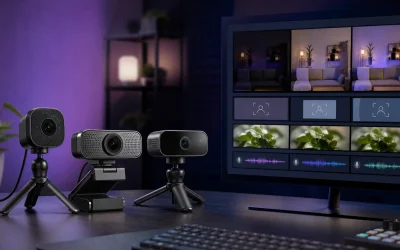
Gear quality matters far less than most new streamers assume once a basic watchability threshold is cleared, meaning clear audio without harsh distortion and reasonably stable video without severe compression artifacts. Numerous channels with modest $70 webcams and USB microphones have grown to substantial audiences on the strength of consistent scheduling, engaging personality, and clear content identity, while better-equipped channels streaming inconsistently or without a clear audience often stagnate regardless of production value.
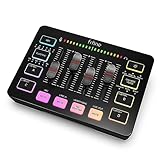
This does not mean gear is irrelevant, since audio quality specifically has an outsized effect on viewer retention as discussed in our audio setup guide for streamers, but it does mean gear upgrades should come after, not instead of, establishing a consistent schedule and clear content direction, since better gear on an inconsistent channel produces a smaller growth return than the same investment of time and money put toward consistency and audience engagement.
Finding and Serving a Niche Audience
Streaming the single most popular game on a platform puts a new channel in direct competition with thousands of other streamers, many established with existing audiences, making organic discovery statistically difficult regardless of content quality. Streaming a moderately popular or niche game, genre, or format instead means being one of a much smaller number of active streamers in that category, which meaningfully improves the odds of a new or casual viewer actually finding and choosing your channel over established alternatives.
A niche does not have to mean an obscure game; it can also mean a specific angle on a popular game (speedrunning, challenge runs, coaching and skill development content, a specific competitive rank tier, retro or classic game rotations) that differentiates a channel from the broader pool of streamers playing the same title in a generic way. This kind of content-format niche is often more sustainable long-term than chasing whichever game happens to be trending, since format and personality carry over across whatever specific game is currently being played.
Researching category viewer-to-streamer ratios, available through most platforms’ own directory pages, helps identify realistic opportunities; a category with high total viewership but relatively few active streamers represents better discovery odds than a category with similarly high viewership but thousands of concurrent streamers competing for the same audience attention.
Once a niche is identified, consistency within it matters for building a recognizable identity; frequently switching between unrelated games and formats makes it harder for viewers to know what to expect from your channel and for the platform’s recommendation systems to categorize and surface your content to relevant potential viewers, both of which slow growth compared to a more focused, identifiable content direction.
Engagement Tactics That Actually Retain Viewers
Directly acknowledging and responding to chat messages, by name, within the first few minutes of a new viewer joining, measurably improves the likelihood they stay and return, since it converts an anonymous, passive viewer into someone who feels individually seen, which is a documented driver of viewer retention across creator platforms’ own research and independent streamer surveys alike.
Asking open-ended questions to chat during natural pauses in gameplay (loading screens, menu navigation, downtime between matches) rather than only during dedicated “just chatting” segments creates more consistent engagement opportunities throughout a stream, rather than concentrating interaction into narrow windows that casual or newly arrived viewers might miss entirely.
Channel-specific inside jokes, recurring segments, or community rituals (a specific sound effect for a recurring event, a running bit tied to a particular in-game outcome) give returning viewers something to anticipate and reference, functioning similarly to how recurring bits work in traditional entertainment formats to build audience loyalty and a shared sense of community identity over time.
Moderation quality also affects retention meaningfully; a chat that feels unwelcoming, overrun by trolling, or poorly moderated drives away exactly the kind of new viewers a growing channel most needs to retain, making active moderation (even simple auto-mod filters plus a trusted moderator or two once volume justifies it) a genuine growth lever rather than just a housekeeping task.
Cross-Promotion: Clips, Social Media, and VODs
Short-form clips posted to TikTok, YouTube Shorts, and Instagram Reels have become one of the highest-leverage discovery channels available to streamers of any size, since these platforms’ own algorithms can surface content to entirely new audiences who have never visited a streaming platform directly, at essentially zero cost beyond the time spent clipping and posting. A single well-performing clip can introduce a channel to far more new viewers than an equivalent amount of time spent live streaming alone typically would.
Consistency in clip posting matters similarly to live streaming consistency; posting several clips per week, even modest ones, builds algorithmic familiarity with your content on each platform and increases the total surface area for discovery, compared to posting occasionally only when something exceptional happens during a stream.
Full VOD (video on demand) uploads to a platform like YouTube serve a different but complementary purpose, capturing viewers who prefer searching for specific content (a particular game, a specific boss fight, a tutorial-style segment) rather than watching live, and these uploads also function as a searchable archive that continues generating discovery long after the original live stream ends, unlike a live stream’s real-time-only visibility.
Cross-linking between platforms, mentioning your streaming schedule on social clips and directing social media followers toward your live channel with clear, consistent links in bios and video descriptions, closes the loop between discovery on one platform and conversion into an actual live viewer or follower on your primary streaming platform.
Networking with Other Streamers
Raids, where a streamer ending their own session sends their remaining viewers directly to another streamer’s channel, are one of the most effective organic growth mechanisms available, since viewers arriving via a raid already carry an implicit endorsement from a streamer they trust, making them more receptive to sticking around than a viewer arriving through cold discovery alone.
Building genuine relationships with streamers of similar size, rather than only pursuing raids from much larger channels, tends to produce more sustainable mutual growth, since similarly sized channels are more likely to reciprocate raids and collaborations consistently over time, compounding gradually rather than relying on occasional, unpredictable goodwill from significantly larger streamers.
Collaborative content, whether a shared gaming session, a co-hosted “just chatting” segment, or a community tournament involving multiple streamers, exposes each participant’s audience to the others directly within the content itself, which tends to convert better than a raid alone since viewers experience the new streamer’s personality and content style directly rather than simply landing on an unfamiliar channel.
Participating actively in other streamers’ chats and communities, in a genuine, non-promotional way, also builds the kind of visibility and goodwill that leads organically to future raids, collaborations, and cross-promotion, functioning as a longer-term relationship investment rather than a direct, immediate growth tactic.
Using Analytics to Guide Content Decisions
Most streaming platforms provide creator dashboards with metrics beyond simple concurrent viewer counts, and understanding which of these metrics actually predict sustainable growth, versus which are simply interesting but less actionable, helps direct effort more effectively. The table below summarizes commonly available metrics and how to use each.
| Metric | What It Measures | How to Use It |
|---|---|---|
| Average concurrent viewers | Typical audience size during a session | Track trend over months, not single sessions |
| Follower conversion rate | % of unique viewers who follow | Indicates content resonance; low rate suggests engagement gaps |
| Average watch time per viewer | How long viewers stay before leaving | Drops at specific stream segments flag weak content moments |
| Chat messages per viewer | Engagement density, not just headcount | Higher ratio often predicts stronger community retention |
| Clip creation rate | How often viewers clip your content | High-clip moments reveal what resonates for social promotion |
Average concurrent viewers should be tracked as a rolling trend over weeks and months rather than judged session-to-session, since individual stream performance varies considerably based on time of day, competing content, and factors outside your control, and a single low-viewer session is not meaningful data on its own.
Watch time drop-off points, when available in your platform’s analytics, are particularly actionable, since a consistent pattern of viewers leaving during a specific type of segment (long loading screens, extended solo grinding without chat interaction, and similar) identifies specific content adjustments worth testing, rather than requiring you to guess at what might be causing slower growth.
Common Growth Mistakes New Streamers Make
Buying expensive gear before establishing a consistent schedule or clear content niche is one of the most common resource misallocations among new streamers, since gear quality has a smaller effect on growth than scheduling consistency and content identity, meaning the same budget often produces better growth results invested in things like clip editing time or niche research than in a marginal camera or microphone upgrade.
Constantly switching games, formats, or streaming times in search of a faster breakout prevents both viewers and platform discovery algorithms from forming a clear, consistent picture of what your channel offers, which paradoxically slows growth compared to sticking with a less exciting but consistent direction long enough to actually build recognition within it.
Comparing growth trajectory directly against viral or already-established streamers creates unrealistic benchmarks and often leads to premature discouragement, since those channels’ current numbers reflect years of accumulated growth or, in some cases, unusual viral circumstances that are not representative of typical, sustainable growth patterns for a new channel.
Neglecting audio quality while prioritizing video or overlay polish is a frequent and avoidable mistake, since research and platform data consistently show audio quality affects viewer retention more directly than video quality once a basic threshold is met; a modest webcam with excellent audio consistently outperforms an excellent webcam with poor, distorted, or inconsistent audio in viewer retention testing.
Troubleshooting: Why Growth Has Stalled
If viewer numbers have plateaued despite consistent streaming, review your content format for signs of stagnation, since audiences that have fully explored a static format eventually stop returning at the same rate; introducing periodic variety within your established niche (a new game within your genre, a special format stream, a milestone celebration) can re-engage existing viewers and attract new ones without abandoning your core identity.
If follower conversion rate is low despite decent concurrent viewership, this often points to weak calls-to-action or unclear value proposition for new viewers; explicitly mentioning your schedule, what makes your channel distinct, and directly inviting new viewers to follow at natural points in a stream (rather than assuming viewers will follow on their own initiative) measurably improves conversion in most cases.
If clips are not generating meaningful views on social platforms, review posting frequency and timing first, since algorithmic discovery on TikTok, YouTube Shorts, and Instagram Reels rewards consistent posting volume, and a handful of clips posted sporadically will underperform a genuinely consistent posting schedule even with similar content quality.
If growth has stalled despite addressing schedule, niche, engagement, and cross-promotion, consider whether your audio and video quality has fallen below current viewer expectations as the broader streaming landscape’s average production quality rises over time; revisiting your audio setup and webcam specifically, rather than assuming content alone explains a plateau, is a reasonable diagnostic step after ruling out the more common causes above.
According to Elena Marchetti, Streaming and Creator Editor who has tracked growth patterns across dozens of creator case studies, the single strongest predictor of eventual sustainable growth among the channels she has followed longitudinally is not any individual viral moment but total consistent streaming hours accumulated in the first 18 months, reinforcing that persistence through the early plateau phase matters more than any specific tactic covered here.
For readers building out their production setup alongside growth strategy, our best budget streaming setup and best streaming accessories guides cover cost-effective gear that clears the watchability threshold discussed above without overspending ahead of your actual growth stage.
Frequently Asked Questions
How long does it take to grow a streaming channel to a full-time income?
Most streamers who reach sustainable full-time income spend 2 to 4 years building consistently, with the majority of growth happening after 200-plus hours of streamed content rather than in the first few months, so treat the first year primarily as a content and skill-building phase rather than expecting meaningful monetization early.
What matters more for growth, gear or content strategy?
Content strategy and consistency matter considerably more than gear quality once you clear a baseline of watchable audio and video; channels with modest webcams and microphones but a clear niche, consistent schedule, and genuine viewer engagement consistently outgrow better-equipped channels streaming inconsistently with no clear identity.
Should new streamers focus on popular games or niche games?
Niche or moderately popular games with lower channel saturation generally offer faster discoverability for new streamers, since being one of a handful of streamers on a smaller game’s category page is far easier to be noticed in than being one of thousands on a top battle royale title’s front page.
How often should I stream to grow consistently?
Three to four times per week on a fixed, publicly known schedule is a realistic and effective baseline for growth, since platform discovery algorithms and viewer habit-forming both reward predictable consistency more than total hours streamed, meaning four consistent 3-hour sessions typically outperform one inconsistent 12-hour session.
Do clips and social media actually help channel growth?
Yes, short clips posted to TikTok, YouTube Shorts, and Instagram Reels are one of the most effective discovery channels for new streamers currently, since they reach audiences who have never visited the platform directly and can convert a fraction of viewers into new channel followers at a much lower cost than any paid promotion.